Author name: omegqataradm

awareness-month-image2
ACC

Pop-Up Shop for Parents of Children with Special Needs Conducted by Omega Center For People With Disabilities

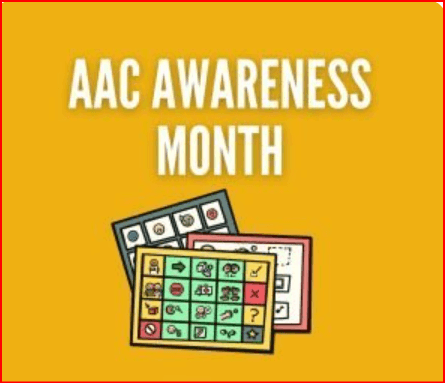
October is AAC Awareness Month, and here at Omega Center for People With Disabilities, we’re celebrating the beautiful ways our children express themselves — with words, gestures, smiles, pictures, and sometimes, technology. Every child has something to say. Sometimes, all they need is the right way to share it. What is AAC? AAC stands for Alternative and Augmentative Communication — it includes all the different methods people use to communicate when speech may be difficult. For some children, speaking might not come easily, but that doesn’t mean they don’t have thoughts, ideas, and feelings to share. AAC gives them a way to do just that — to connect with family, friends, and the world around them. At Omega Center, we see AAC as more than just a communication tool.It’s a bridge — one that helps children express their joy, needs, and dreams. Two Beautiful Ways to Communicate: Unaided and Aided AAC 1. Unaided AAC: Communication from the Heart Unaided AAC uses only the body — no devices, no equipment, just natural gestures and expressions. This includes: At Omega Center, we encourage our children to use these natural forms of expression every day.A child’s twinkle in the eye, a wave of the hand, or a simple nod can speak louder than words. 2. Aided AAC: Tools That Give Voices to Dreams Aided AAC uses tools that help children communicate. These can be: Mid-Tech AAC: GoTalk – Simple Tools with Powerful Impact Somewhere between picture cards and tablets lies Mid-Tech AAC, and one of the most popular tools in this category is the GoTalk device. GoTalk devices are easy-to-use communication tools with recorded messages. They allow children to press buttons with pictures or symbols to “speak” words or short phrases. These devices don’t require complex programming or internet access — making them perfect for classrooms, therapy sessions, and everyday life.  How GoTalk helps children: GoTalk empowers children to communicate independently while building confidence and understanding. It’s a reminder that communication doesn’t need to be complicated — it just needs to be accessible. For example, a child might use a GoTalk 9+ to select a picture of their favorite snack and instantly hear it spoken aloud, helping them express a choice clearly and joyfully. we are also proud to promote and support the use of high-tech AAC devices — and for good reason! These advanced tools open up incredible possibilities for communication and learning. We promote high-tech AAC devices because they are: High-tech tools empower our children to communicate with independence, creativity, and confidence — helping them build stronger connections with the world around them. Why AAC Matters So Much At Omega Center, we believe communication is a right — not a privilege.When a child learns to express themselves, everything changes: Every new word, gesture, or symbol is a step forward — and we celebrate every one of them. Celebrating AAC Awareness Month Together This AAC Awareness Month, let’s come together as families, caregivers, and community members to celebrate communication in all its forms. Here’s how you can join in: At Omega Center, we are proud to walk this journey alongside our amazing children and their families — helping every child find their voice, their confidence, and their joy. Final Thought Every child communicates — some with words, some with gestures, some with pictures.What matters most is that we listen with our hearts.  This October, let’s continue to raise awareness, share kindness, and celebrate all the incredible ways our children express themselves.Because at Omega Center for People With Disabilities, we believe that every voice matters, and every child deserves to be heard.

Autism

Early Autism Diagnosis Full Guide: Signs, Screening, and Next Steps

Recognizing developmental differences early can help families better understand their child’s needs and access appropriate support services. An early autism diagnosis provides valuable insights into a child’s communication, social interaction, learning patterns, and sensory experiences, helping parents make informed decisions about their child’s future. This guide explores the early signs of autism, the screening and diagnostic process, and the steps families can take after receiving a diagnosis. What Is Autism Spectrum Disorder (ASD)? Autism Spectrum Disorder (ASD) is a neurodevelopmental condition that affects how individuals communicate, interact with others, process information, and experience the world around them. Autism exists on a spectrum, meaning every autistic individual has unique strengths, characteristics, and support needs. Signs of autism often become noticeable during early childhood, although they can vary significantly from one child to another. Why Early Autism Diagnosis Matters Early identification of autism can help families gain a clearer understanding of their child’s developmental profile and connect with appropriate resources sooner. Benefits of Early Diagnosis When developmental needs are identified early, families can make informed decisions that support their child’s growth and well-being. Early Signs of Autism in Infants and Toddlers Every child develops at their own pace. However, certain behaviors and developmental patterns may indicate the need for a professional evaluation. Social Communication Signs Children may: Communication and Language Signs Potential indicators include: Behavioral Signs Some children may: Sensory Differences Children may also: Autism Signs by Age Signs at 12 Months Signs at 18 Months Signs at 24 Months It’s important to remember that a single sign does not necessarily indicate autism. A comprehensive evaluation is needed to understand a child’s developmental needs. Autism Screening: What Parents Should Know What Is Autism Screening? Autism screening is a process used to identify children who may benefit from a more detailed developmental evaluation. Screening helps healthcare providers determine whether further assessment is recommended. When Should Autism Screening Take Place? Developmental screenings are commonly conducted during routine pediatric visits, particularly around: Additional screening may be recommended whenever developmental concerns arise. Common Screening Methods Healthcare providers may use: These tools help identify areas that may require further evaluation. How Autism Is Diagnosed A formal autism diagnosis involves a comprehensive assessment conducted by qualified healthcare professionals. Specialists Who May Be Involved The evaluation process may include input from: Components of the Diagnostic Process Developmental History Review Professionals gather information about: Behavioral Observation Specialists observe how a child: Developmental Assessments Standardized assessments may evaluate: What Happens After an Autism Diagnosis? Receiving an autism diagnosis often raises questions about the future. Understanding the available resources can help families move forward with greater confidence. Build a Support Team A strong support network can help families better understand their child’s developmental needs and identify appropriate services. Depending on individual circumstances, this team may include: Families may also benefit from connecting with organizations such as Omega Center For People With Disabilities, which provides developmental support, educational resources, and guidance tailored to the needs of children and their families. Explore Developmental Support Services Many families choose services that focus on: Create a Personalized Support Plan Every child has unique strengths and developmental needs. A personalized plan can help families establish goals and identify resources that align with their child’s individual profile. Learn and Stay Informed Understanding autism can help families make informed decisions, communicate effectively with professionals, and advocate for their child’s needs throughout different stages of development. Common Myths About Early Autism Diagnosis Myth 1: Children Simply Outgrow Autism Autism is a lifelong neurodevelopmental condition. However, individuals can continue developing skills and adapting to new experiences throughout their lives. Myth 2: Speech Delay Always Means Autism Speech delays can occur for many reasons. Autism evaluations consider multiple developmental areas, not language development alone. Myth 3: Children with Autism Do Not Show Affection Many autistic children form strong emotional connections and express affection in ways that may differ from common expectations. Myth 4: Early Diagnosis Is Too Soon Research supports identifying developmental differences early so families can access appropriate guidance, services, and resources. When Should Parents Seek Professional Advice? Consider speaking with a healthcare professional if your child: Seeking professional guidance early can provide clarity and help families understand the most appropriate next steps. Supporting Your Child After Diagnosis Parents and caregivers play an important role in supporting a child’s development. Helpful approaches include: Every autistic child has unique talents, interests, and capabilities. Focusing on strengths while understanding challenges can help create positive opportunities for growth and development. Frequently Asked Questions (FAQs) At what age can autism be diagnosed? Some signs may become noticeable between 12 and 18 months. In many cases, a reliable diagnosis can be made by age 2, although some children receive a diagnosis later. Is autism screening the same as diagnosis? No. Screening helps identify children who may require further evaluation, while diagnosis involves a comprehensive assessment conducted by qualified professionals. Can autism characteristics change over time? Yes. As children grow and gain new experiences, their skills, behaviors, and support needs may evolve. Does an autism diagnosis limit a child’s future success? No. Many autistic individuals achieve success in education, careers, relationships, and personal pursuits. Appropriate support and understanding can help individuals develop their strengths and reach their goals. Conclusion Early autism diagnosis can provide valuable insights into a child’s developmental needs and strengths. By recognizing early signs, participating in recommended screenings, and seeking professional guidance when concerns arise, families can access the resources and support needed to help their child thrive. Understanding autism early allows parents and caregivers to make informed decisions, build strong support networks, and create opportunities that encourage lifelong learning, development, and well-being.

Scroll to Top