Author name: omegqataradm

checklist-behavioral-therapy-image
Behavioral Therapy

Behavior Checklist for Special Education Students: A Comprehensive Guide

Helping Your Child Thrive Raising a child with special needs can be both rewarding and challenging. Behavior checklists are a valuable tool to help you gain a deeper understanding of your child’s behavior, identify potential triggers, and create a more supportive environment. Why Use a Behavior Checklist? Behavior checklists offer a structured way to observe, record, and analyze your child’s actions. This allows you to: Book a behavioral therapy session with us at Omega Key Areas to Observe: Here are some crucial areas to focus on when creating your child’s behavior checklist: Social Interaction Communication Self-Regulation Daily Living Skills Sensory Processing Creating Your Personalized Checklist: Using the Data Effectively: Remember: Behavior checklists are just a tool. By using them consistently and with compassion, you can gain valuable insights into your child’s world and work together to help them thrive. Visit our site, Omega Center For Special Needs Education, now

teaching-tools-image
Behavioral Therapy

Essential Teaching Tools Every Behavioral Therapist Should Use

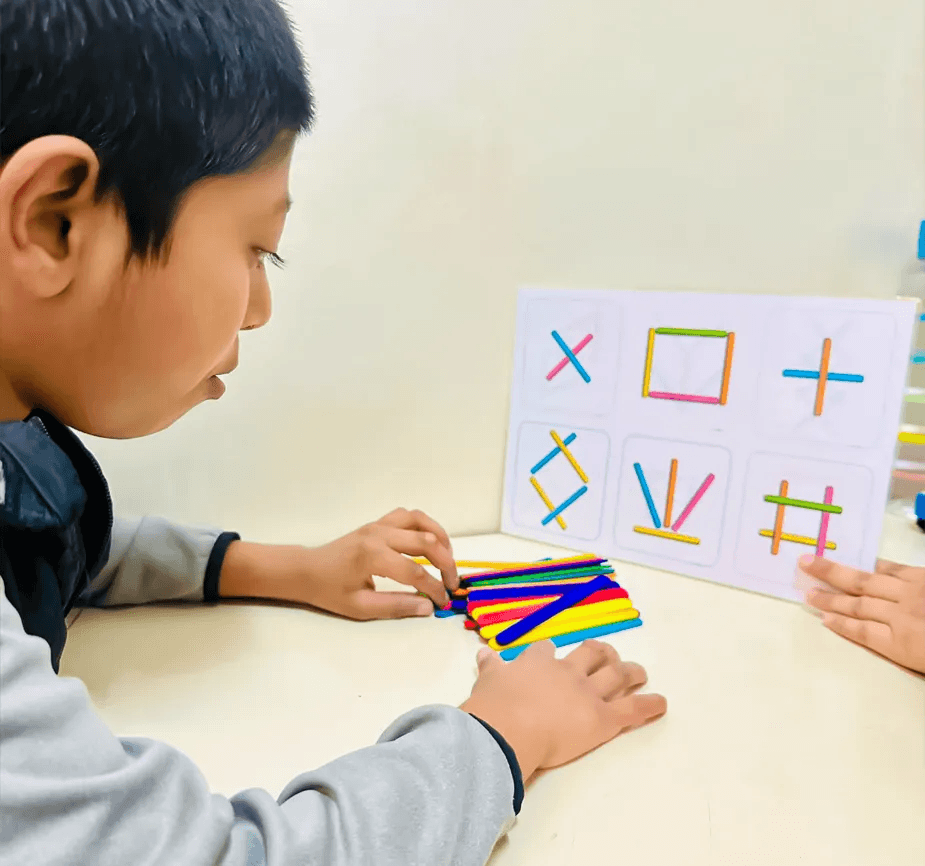
What Are Teaching Tools in Behavioral Therapy? Teaching tools in behavioral therapy are structured strategies and resources designed to reinforce learning, promote engagement and modify behavior. These tools are tailored to the unique needs of each individual to support cognitive, social, and emotional development. Essential Teaching Tools for Behavioral Therapists 1. Visual Aids and Supports Visual tools are highly effective in reinforcing learning and communication. Some commonly used visual aids include: 2. Reinforcement Systems Positive reinforcement is a cornerstone of behavioral therapy. Tools used for reinforcement include: 3. Applied Behavior Analysis (ABA) Tools ABA therapy utilizes structured techniques to modify behaviors through reinforcement and data collection. Key tools include: 4. Technology-Based Tools Modern technology enhances behavioral therapy through interactive and engaging platforms. Common tools include: 5. Sensory Tools Sensory tools help individuals regulate emotions and improve focus. Common sensory-based interventions include: 6. Social and Play-Based Learning Tools Play is an essential part of behavioral therapy, promoting social skills and communication. Effective play-based tools include: How to Choose the Right Teaching Tools Selecting the right tools depends on the individual’s needs, abilities, and therapy goals. Here are key factors to consider: Frequently Asked Questions (FAQs) 1. What is the most effective teaching tool for non-verbal individuals? The Picture Exchange Communication System (PECS) and AAC devices are widely used to help non-verbal individuals communicate effectively. 2. How do reinforcement systems help in behavioral therapy? Reinforcement systems like token economies and reward charts motivate individuals to engage in positive behaviors by providing tangible rewards. 3. Can technology replace traditional teaching tools? Technology enhances therapy but should be used in combination with traditional methods for a comprehensive approach. Conclusion As a behavioral therapist, having a diverse set of teaching tools is essential for creating an effective and engaging therapy environment. From visual aids to reinforcement systems and sensory tools, these resources help individuals develop critical skills and lead more independent lives. By choosing the right tools, we can ensure personalized and impactful therapy sessions that foster growth and positive change.

autism-training-image
Autism Spectrum Disorder

Identifying Signs and Symptoms of Autism Spectrum Disorder

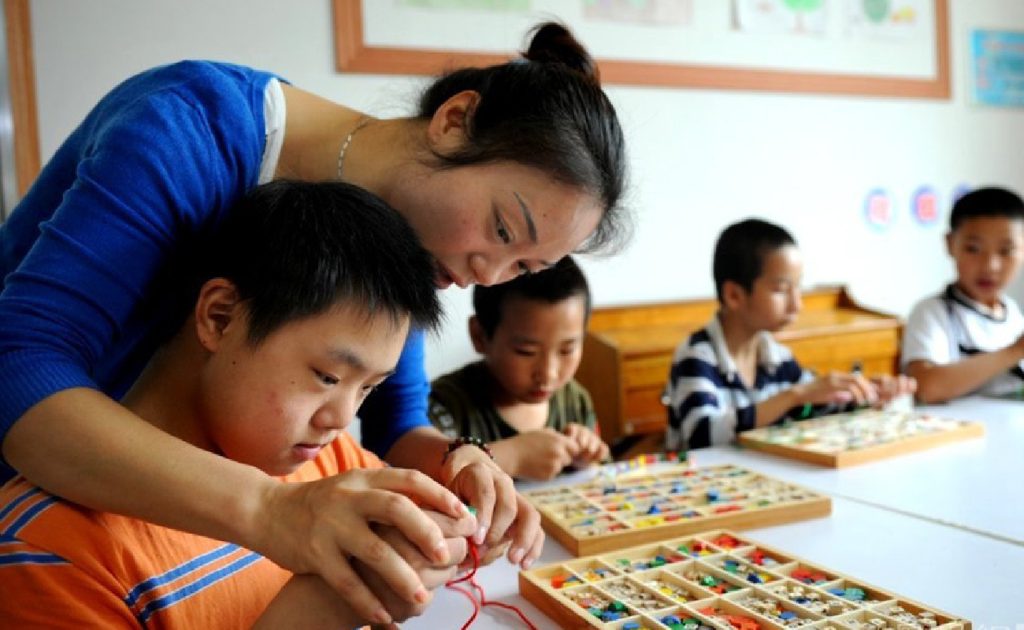
Autism Spectrum Disorder (ASD) is a developmental condition that affects communication, behavior, and social interaction. Early identification of signs and symptoms is crucial for timely intervention and support. Below, we outline the key indicators across different age groups to help parents and caregivers recognize potential signs of ASD. Age 12 to 18 months During this crucial developmental period, certain behaviors may signal the presence of autism: Age 18 to 24 months As children grow older, additional signs may become apparent: Age 2 to 3 years By the age of 2 to 3 years, certain patterns of behavior may persist or become more pronounced: Conclusion Early recognition of signs and symptoms of Autism Spectrum Disorder is crucial for early intervention and support. Parents and caregivers should consult healthcare professionals if they notice any concerning behaviors in their children. Understanding the developmental milestones and typical behaviors associated with each age group can aid in the timely identification and management of ASD. Do you think your child is displaying some of these signs or symptoms of ASD? Get a professional assessment done at Omega Center For Special Needs Education today by our team of therapists. 

autism-image
Autism Spectrum Disorder

Beyond the Label: Celebrating the Potential of Every Child with Autism

Every child thrives in an environment that celebrates their strengths and offers support for their challenges. This is especially true for children with Autism Spectrum Disorder (ASD). Children on the spectrum experience the world differently, and their success hinges on understanding and embracing this unique perspective. Understanding the Spectrum ASD is a developmental disorder characterized by social communication challenges, restricted interests, and repetitive behaviors. However, it’s important to remember that autism manifests in a wide spectrum. There’s no single definition of “autistic,” and each child will have their own set of strengths and weaknesses. Championing Individuality The key to supporting a child with autism is recognizing their individuality. What works for one child might not work for another. Here are some ways to foster success: Building a Support System Children with ASD benefit from a strong support system that includes parents, teachers, therapists, and even siblings. Here are some ways to build a supportive network: Celebrating Exceptional Potential Children with ASD have unique gifts and talents to share with the world. By providing the right support system and celebrating their individuality, we can empower them to achieve their full potential and thrive in an inclusive world. Omega Center For Special Needs Education If you are looking for exceptional support for your child with ASD, consider Omega Center For Special Needs Education. Located in Doha, Qatar, Omega Center offers a nurturing environment, individualized education programs (IEPs), and a variety of therapies, including speech therapy, occupational therapy, and behavior intervention. Our team of qualified professionals is dedicated to helping children with ASD reach their full potential.

child-training
Autism Spectrum Disorder

Why Being Kind Matters When Talking to Autistic Kids

Have you ever found yourself unsure of how to talk to a child with autism – especially one between the ages of 4 and 6? You’re not alone. A lot of us want to do the right thing but don’t always know how to approach it. Here’s the thing: it all starts with kindness. This blog is all about why kindness matters so much, how you can approach conversations more thoughtfully, and some simple, actionable tips that can make a big difference. First, Let’s Understand What Autism Can Look Like Every child is different, but when it comes to autism, some common things you might notice in 4–6-year-olds include: These kids aren’t being difficult. They’re just processing the world differently. And honestly? That’s okay. According to the National Autistic Society, communication styles in autistic kids can vary a lot. So the way we speak, listen, and respond needs to come from a place of understanding. So, Why Is Kindness Such a Big Deal? Imagine being in a place where people are talking at you, not with you. That’s what it can feel like for some autistic children – especially when communication is already tricky. Here’s why kindness really matters: 1. It Helps Them Feel Safe When we’re gentle, calm, and patient, it sends the message: “You’re safe. Take your time. I’m here for you.” And that’s powerful. 2. It Lowers Anxiety Loud voices, quick changes, and pressure to speak can overwhelm a child with autism. Speaking kindly and moving at their pace helps reduce that sensory overload. 3. It Builds Trust (And Confidence) When you consistently respond with kindness—even when communication is tough—you’re building a connection they can rely on. And with that trust comes confidence. Autism Speaks reminds us: teaching kindness to others helps autistic kids feel included, respected, and valued. Isn’t that what we all want? How Do You Actually Talk to an Autistic Child with Kindness? Great question. Let’s break it down into easy, doable steps. 1. Slow Down and Be Patient Give them space to think and respond. Silence is okay. If they need a minute, let them have it. Rushing won’t help either of you. 2. Keep Your Language Simple Skip metaphors, sarcasm, or big explanations. Instead of saying, “Can you spill the beans?” try “Can you tell me what happened?” 3. Use Visuals or Gestures Many kids on the spectrum understand pictures better than words. Use picture cards, draw something, or point. Visual communication is a game-changer. Need help finding the right visual tools?Omega offers a fantastic range of communication aids designed specifically for young autistic children. Their tools are made with simplicity and kindness in mind—perfect for kids aged 4–6 who respond better to visuals than words. 4. Respect Their Space If they don’t like eye contact or being touched, that’s totally okay. You can still connect with them by being nearby, talking gently, and showing warmth in your voice. 5. Celebrate Every Effort Did they point to something instead of saying it? Awesome. Clap for that! Celebrate any attempt at communication—even the small stuff. 6. Be a Role Model for Other Kids Whether you’re a parent, teacher, or friend—kids are watching you. How you treat autistic children teaches them how to treat others, too. When Should You Use These Tips? Basically, any time you’re talking to a child with autism, but especially: These are the moments when kindness counts the most. Wait, What If I Get It Wrong? You might. And that’s okay. What matters more is that you keep showing up with empathy and patience. Children – autistic or not – notice when someone’s heart is in the right place. And that effort? It speaks louder than words. Final Thoughts: Kindness Is the Bridge When you lead with kindness, you’re not just making communication easier—you’re building trust, security, and a space where that child feels seen and heard. So the next time you’re unsure how to talk to a child with autism, just remember: “Kindness doesn’t need words. Sometimes, it’s just a smile, a pause, or a softer tone.” Let’s raise and support kids in a world that’s more accepting, more patient, and a whole lot kinder. 💙  

afrid
ARFID

Understanding ARFID and Therapies That Can Help

Avoidant Restrictive Food Intake Disorder (ARFID) is a complex feeding and eating disorderwhere individuals severely limit the amount or variety of foods they consume. This can lead tomalnutrition, poor growth, and developmental delays, significantly impacting their physical andmental well-being. ARFID is commonly seen in children with Autism Spectrum Disorder (ASD),sensory processing disorders, intellectual disabilities, certain syndromes, and conditionsassociated with brain damage. This blog explores ARFID and how behavioral therapy, speech therapy, and occupationaltherapy can help manage it. What is ARFID?Unlike traditional eating disorders such as anorexia or bulimia, ARFID is not typically associatedwith body image concerns. Instead, the causes are more diverse and may include: Sensory sensitivity: Certain textures, tastes, or smells of food can cause aversion.Fear of choking or vomiting: Previous negative experiences with food can create anxiety aroundeating.Low appetite or interest in eating: Sometimes linked to underlying medical or neurologicalconditions.The consequences of ARFID are severe, ranging from nutritional deficiencies to socialchallenges, as eating in social settings becomes a struggle. Therapeutic Approaches for ARFID Meal Exposure and Desensitization: Therapists introduce non-preferred foods in small, non-threatening amounts, pairing them with rewards or encouragement to reduce anxiety. Positive Reinforcement: Celebrating small wins, like trying a new food or taking an extra bite,motivates children to continue improving.Meal Structure and Routine: Establishing consistent mealtime routines can reduce anxiety andencourage regular eating habits.For example, a child fearful of trying vegetables might start with simply having them on theirplate, then touching or smelling them, and eventually taking a bite over several sessions. Oral Sensory Normalization: Speech therapists use activities like brushing the inside of themouth, blowing bubbles, or using chewy toys to reduce oral sensitivity.Oral-Motor Exercises: Techniques such as jaw-strengthening exercises or tongue movementshelp improve chewing and swallowing skills.Feeding Skills Development: Therapists work on transitioning from pureed to solid foods byintroducing foods with varying textures and guiding children through the chewing andswallowing process.For instance, a child resistant to textured foods might begin by tolerating mashed foods beforeprogressing to soft solids like bananas or scrambled eggs. Sensory Integration Therapy: Activities like deep pressure, swinging, or proprioceptive exerciseshelp regulate sensory responses, making mealtimes less overwhelming.Food Exploration Activities: Therapists use play-based approaches to introduce different foodtextures and smells, encouraging gradual desensitization.Improving Mealtime Tolerance: OT helps children remain seated during meals, tolerate thepresence of various foods, and engage in the eating process.For example, a therapist might create a game where a child squishes peas or touches stickyrice to reduce tactile aversions before they are expected to taste the foods. Bridging the Gap: A Collaborative Approach While each therapy offers unique tools, their combined efforts yield the best results. Forinstance: Behavioral therapy establishes a welcoming environment.Speech therapy builds the skills needed for effective eating.Occupational therapy resolves sensory challenges.Working together, these therapies not only improve a child’s nutrition but also their relationshipwith food, fostering long-term health and independence. ConclusionManaging ARFID requires patience, creativity, and a multidisciplinary approach. Whether it’screating positive associations with food, normalizing oral sensitivity, or addressing sensoryaversions, each therapy plays a critical role in helping children with ARFID thrive. As caregivers and professionals, our goal is to empower these children to overcome theirfeeding challenges, enabling them to lead healthier, happier lives—one bite at a time.  

unlocking-potential-image
ADHD

Unlocking Potential: The Importance of ADHD Education in Improving Lives

Unlocking Potential: The Importance of ADHD Education in Improving Lives Attention Deficit Hyperactivity Disorder (ADHD) is a condition that affects millions of children and adults worldwide. ADHD education is crucial for managing and understanding this condition. What is ADHD Education? ADHD education involves teaching individuals with ADHD, their families, educators, and peers about the disorder. This education aims to improve the understanding and management of ADHD symptoms. It encompasses various strategies, techniques, and resources designed to support those affected by ADHD in their daily lives. Core Components of ADHD Education: Significance of ADHD Education: Importance of ADHD Education Types of ADHD Education How ADHD Education Can Improve Lives Tailored Educational Programs: ADHD education caters to diverse audiences through specialized programs: Conclusion ADHD education is a vital component in managing and understanding ADHD. It benefits individuals with ADHD, their families, educators, and society as a whole. Investing in ADHD education like Omega Center For Special Needs Education can significantly enhance the quality of life.

early-signs-of-adhd-image
ADHD

Early Signs Of ADHD In Children From Age 1 to 5

Early Signs Of ADHD In Children From Age 1 to 5 Attention Deficit Hyperactivity Disorder (ADHD) is often diagnosed in older children, but many signs can appear much earlier – sometimes as early as age 1. Recognizing early signs of ADHD in young children can make a significant difference in their development. Early diagnosis allows parents, caregivers and professionals to intervene at a crucial time, offering children the support they need to thrive. In this blog, we’ll explore the early symptoms of ADHD in children aged 1 to 5 and provide helpful tips for parents to recognize when it might be time to seek professional advice. What Is ADHD and Why Early Detection Matters? ADHD is a neurodevelopmental disorder that affects a child’s ability to focus, control impulses and regulate behavior. Symptoms typically become noticeable in early childhood, though the severity can vary. Early signs often present as persistent patterns of hyperactivity, impulsivity and inattention. Early diagnosis is crucial because it helps to implement strategies that can aid the child’s development and reduce future difficulties at school or in social settings. By identifying ADHD symptoms early, parents can provide a supportive environment that fosters emotional and social growth, setting children up for success later in life. Common Early Signs of ADHD in Children Aged 1 to 5 Recognizing ADHD in young children can be challenging, as many behaviors associated with ADHD are common in toddlers. However, there are distinct signs that may indicate the presence of ADHD. Here are the early warning signs of ADHD to watch for: 1. Excessive Hyperactivity Children with ADHD often have a high level of energy that may seem uncontrollable. For instance, a toddler might have difficulty sitting still, constantly fidgeting, or running around without regard for safety. By age 2 to 3, if a child is excessively active to the point of exhaustion for others or seems to never tire, it could signal early ADHD. 2. Impulsivity Impulsive behaviors are another hallmark of ADHD. Children may have difficulty waiting their turn, blurting out answers or thoughts without thinking, or engaging in dangerous behaviors without considering the consequences. This impulsive nature can become evident as early as age 1. 3. Short Attention Span A short attention span is one of the most common signs of ADHD. While children naturally have short attention spans, a child with ADHD may struggle to focus on a single activity for more than a few minutes. By age 3 or 4, children with ADHD may frequently switch from one toy or activity to another without completing anything. 4. Difficulty Following Instructions ADHD children often have trouble following simple directions. This could include tasks such as putting away toys or following a short series of instructions. If your child frequently ignores instructions or is unable to complete simple tasks by age 3 or 4, it could be a sign of attention difficulties. 5. Difficulty Sleeping Sleep disturbances are common among children with ADHD. Children may struggle to fall asleep or wake up frequently during the night. These patterns of disturbed sleep can begin early and are often linked to hyperactivity and impulsivity. When to Seek Professional Help It’s important to remember that all children develop at different rates and occasional hyperactivity or impulsiveness can be a normal part of childhood. However, if the signs listed above are persistent and disruptive to daily life, it may be time to seek guidance from a healthcare professional. A pediatrician or child psychologist can evaluate your child’s behaviors and help determine if ADHD is present. Key Considerations: An early assessment allows for the development of a tailored treatment plan, which may include behavioral therapy, lifestyle adjustments, or other interventions. Supporting Your Child Early On If your child shows signs of ADHD, there are several steps you can take to support them: Conclusion Recognizing the early signs of ADHD in children aged 1 to 5 can be challenging, but it is an important step toward providing the support your child needs. If you notice persistent hyperactivity, impulsivity, or attention difficulties, seek professional advice to ensure the right interventions are in place. Early diagnosis and intervention can help manage ADHD symptoms, allowing your child to succeed academically, sociall  and emotionally. By fostering a supportive and structured environment, you can give your child the tools to thrive and grow to their full potential. If you suspect your child might be showing early signs of ADHD, consult a pediatrician or child specialist today to explore diagnosis and intervention options.

music-therapy-image
ADHD

How Music Therapy Supports Emotional and Cognitive Development in Children with Autism and ADHD

In recent years, music therapy has gained attention as a powerful tool in supporting the emotional and cognitive development of children with Autism Spectrum Disorder (ASD) and Attention Deficit Hyperactivity Disorder (ADHD). As parents, educators and therapists seek non-invasive and creative ways to aid neurodiverse children, music therapy stands out for its unique ability to connect, soothe and stimulate young minds. What Is Music Therapy? Music therapy is a clinical and evidence-based practice that uses music interventions to accomplish individualized goals. Conducted by certified music therapists, this therapy involves singing, playing instruments, movement to music, songwriting and listening exercises to help improve communication, motor skills, emotional regulation and social interaction. Why Music Therapy Works for Children with Autism and ADHD Children with autism and ADHD often face challenges in communication, attention span, emotional expression and social interaction. Music, however, is processed in both hemispheres of the brain, which makes it a powerful medium for: Let’s explore how music therapy benefits both emotional and cognitive development. Emotional Benefits of Music Therapy 1. Improved Emotional Expression Many children with autism struggle to identify or express emotions. Through musical play, they can use rhythm, tone and movement to convey feelings they may not yet have the vocabulary for. 2. Reduced Anxiety and Stress Music with predictable patterns and soothing tones can help reduce anxiety in overstimulated children. It creates a safe space, promoting relaxation and emotional self-regulation. 3. Increased Self-Esteem Successfully engaging in music-based tasks, such as playing a beat or singing a song, can boost confidence and foster a sense of achievement—especially in children who may feel isolated or different. Cognitive and Developmental Benefits 1. Enhanced Attention and Focus Children with ADHD often have difficulty sustaining attention. Rhythmic auditory stimulation can help improve attention span, task initiation and focus over time. 2. Improved Language and Communication Music therapy encourages both verbal and non-verbal communication. Activities like call-and-response songs and musical storytelling can significantly aid in speech development. 3. Stronger Memory and Learning Skills Music supports auditory memory and pattern recognition. This is especially beneficial for children learning new routines, concepts, or even academic content through melody and rhythm. Music Therapy in Practice A typical session may include: Each session is tailored to the child’s developmental level, preferences and therapeutic goals. Real-World Success Stories Numerous case studies have highlighted remarkable improvements in children undergoing music therapy. Some parents report better bedtime routines, improved eye contact, or even the first words spoken during a music therapy session. Schools like Omega Center For People with Disabilities and clinical centers are also increasingly integrating music therapy into their special education or behavioral therapy programs, given its effectiveness and low-risk nature. Final Thoughts Music therapy is more than just a fun activity—it’s a powerful, science-backed tool that supports emotional and cognitive development in children with autism and ADHD. By tapping into the natural human affinity for music, therapists can break down barriers, foster meaningful connections and help neurodiverse children thrive.

Scroll to Top