ADHD

unlocking-potential-image
ADHD

Unlocking Potential: The Importance of ADHD Education in Improving Lives

Unlocking Potential: The Importance of ADHD Education in Improving Lives Attention Deficit Hyperactivity Disorder (ADHD) is a condition that affects millions of children and adults worldwide. ADHD education is crucial for managing and understanding this condition. What is ADHD Education? ADHD education involves teaching individuals with ADHD, their families, educators, and peers about the disorder. This education aims to improve the understanding and management of ADHD symptoms. It encompasses various strategies, techniques, and resources designed to support those affected by ADHD in their daily lives. Core Components of ADHD Education: Significance of ADHD Education: Importance of ADHD Education Types of ADHD Education How ADHD Education Can Improve Lives Tailored Educational Programs: ADHD education caters to diverse audiences through specialized programs: Conclusion ADHD education is a vital component in managing and understanding ADHD. It benefits individuals with ADHD, their families, educators, and society as a whole. Investing in ADHD education like Omega Center For Special Needs Education can significantly enhance the quality of life.

early-signs-of-adhd-image
ADHD

Early Signs Of ADHD In Children From Age 1 to 5

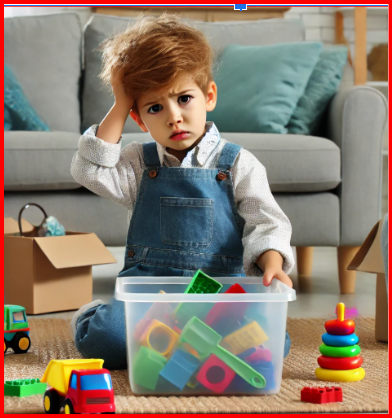
Early Signs Of ADHD In Children From Age 1 to 5 Attention Deficit Hyperactivity Disorder (ADHD) is often diagnosed in older children, but many signs can appear much earlier – sometimes as early as age 1. Recognizing early signs of ADHD in young children can make a significant difference in their development. Early diagnosis allows parents, caregivers and professionals to intervene at a crucial time, offering children the support they need to thrive. In this blog, we’ll explore the early symptoms of ADHD in children aged 1 to 5 and provide helpful tips for parents to recognize when it might be time to seek professional advice. What Is ADHD and Why Early Detection Matters? ADHD is a neurodevelopmental disorder that affects a child’s ability to focus, control impulses and regulate behavior. Symptoms typically become noticeable in early childhood, though the severity can vary. Early signs often present as persistent patterns of hyperactivity, impulsivity and inattention. Early diagnosis is crucial because it helps to implement strategies that can aid the child’s development and reduce future difficulties at school or in social settings. By identifying ADHD symptoms early, parents can provide a supportive environment that fosters emotional and social growth, setting children up for success later in life. Common Early Signs of ADHD in Children Aged 1 to 5 Recognizing ADHD in young children can be challenging, as many behaviors associated with ADHD are common in toddlers. However, there are distinct signs that may indicate the presence of ADHD. Here are the early warning signs of ADHD to watch for: 1. Excessive Hyperactivity Children with ADHD often have a high level of energy that may seem uncontrollable. For instance, a toddler might have difficulty sitting still, constantly fidgeting, or running around without regard for safety. By age 2 to 3, if a child is excessively active to the point of exhaustion for others or seems to never tire, it could signal early ADHD. 2. Impulsivity Impulsive behaviors are another hallmark of ADHD. Children may have difficulty waiting their turn, blurting out answers or thoughts without thinking, or engaging in dangerous behaviors without considering the consequences. This impulsive nature can become evident as early as age 1. 3. Short Attention Span A short attention span is one of the most common signs of ADHD. While children naturally have short attention spans, a child with ADHD may struggle to focus on a single activity for more than a few minutes. By age 3 or 4, children with ADHD may frequently switch from one toy or activity to another without completing anything. 4. Difficulty Following Instructions ADHD children often have trouble following simple directions. This could include tasks such as putting away toys or following a short series of instructions. If your child frequently ignores instructions or is unable to complete simple tasks by age 3 or 4, it could be a sign of attention difficulties. 5. Difficulty Sleeping Sleep disturbances are common among children with ADHD. Children may struggle to fall asleep or wake up frequently during the night. These patterns of disturbed sleep can begin early and are often linked to hyperactivity and impulsivity. When to Seek Professional Help It’s important to remember that all children develop at different rates and occasional hyperactivity or impulsiveness can be a normal part of childhood. However, if the signs listed above are persistent and disruptive to daily life, it may be time to seek guidance from a healthcare professional. A pediatrician or child psychologist can evaluate your child’s behaviors and help determine if ADHD is present. Key Considerations: An early assessment allows for the development of a tailored treatment plan, which may include behavioral therapy, lifestyle adjustments, or other interventions. Supporting Your Child Early On If your child shows signs of ADHD, there are several steps you can take to support them: Conclusion Recognizing the early signs of ADHD in children aged 1 to 5 can be challenging, but it is an important step toward providing the support your child needs. If you notice persistent hyperactivity, impulsivity, or attention difficulties, seek professional advice to ensure the right interventions are in place. Early diagnosis and intervention can help manage ADHD symptoms, allowing your child to succeed academically, sociall  and emotionally. By fostering a supportive and structured environment, you can give your child the tools to thrive and grow to their full potential. If you suspect your child might be showing early signs of ADHD, consult a pediatrician or child specialist today to explore diagnosis and intervention options.

music-therapy-image
ADHD

How Music Therapy Supports Emotional and Cognitive Development in Children with Autism and ADHD

In recent years, music therapy has gained attention as a powerful tool in supporting the emotional and cognitive development of children with Autism Spectrum Disorder (ASD) and Attention Deficit Hyperactivity Disorder (ADHD). As parents, educators and therapists seek non-invasive and creative ways to aid neurodiverse children, music therapy stands out for its unique ability to connect, soothe and stimulate young minds. What Is Music Therapy? Music therapy is a clinical and evidence-based practice that uses music interventions to accomplish individualized goals. Conducted by certified music therapists, this therapy involves singing, playing instruments, movement to music, songwriting and listening exercises to help improve communication, motor skills, emotional regulation and social interaction. Why Music Therapy Works for Children with Autism and ADHD Children with autism and ADHD often face challenges in communication, attention span, emotional expression and social interaction. Music, however, is processed in both hemispheres of the brain, which makes it a powerful medium for: Let’s explore how music therapy benefits both emotional and cognitive development. Emotional Benefits of Music Therapy 1. Improved Emotional Expression Many children with autism struggle to identify or express emotions. Through musical play, they can use rhythm, tone and movement to convey feelings they may not yet have the vocabulary for. 2. Reduced Anxiety and Stress Music with predictable patterns and soothing tones can help reduce anxiety in overstimulated children. It creates a safe space, promoting relaxation and emotional self-regulation. 3. Increased Self-Esteem Successfully engaging in music-based tasks, such as playing a beat or singing a song, can boost confidence and foster a sense of achievement—especially in children who may feel isolated or different. Cognitive and Developmental Benefits 1. Enhanced Attention and Focus Children with ADHD often have difficulty sustaining attention. Rhythmic auditory stimulation can help improve attention span, task initiation and focus over time. 2. Improved Language and Communication Music therapy encourages both verbal and non-verbal communication. Activities like call-and-response songs and musical storytelling can significantly aid in speech development. 3. Stronger Memory and Learning Skills Music supports auditory memory and pattern recognition. This is especially beneficial for children learning new routines, concepts, or even academic content through melody and rhythm. Music Therapy in Practice A typical session may include: Each session is tailored to the child’s developmental level, preferences and therapeutic goals. Real-World Success Stories Numerous case studies have highlighted remarkable improvements in children undergoing music therapy. Some parents report better bedtime routines, improved eye contact, or even the first words spoken during a music therapy session. Schools like Omega Center For People with Disabilities and clinical centers are also increasingly integrating music therapy into their special education or behavioral therapy programs, given its effectiveness and low-risk nature. Final Thoughts Music therapy is more than just a fun activity—it’s a powerful, science-backed tool that supports emotional and cognitive development in children with autism and ADHD. By tapping into the natural human affinity for music, therapists can break down barriers, foster meaningful connections and help neurodiverse children thrive.

Scroll to Top