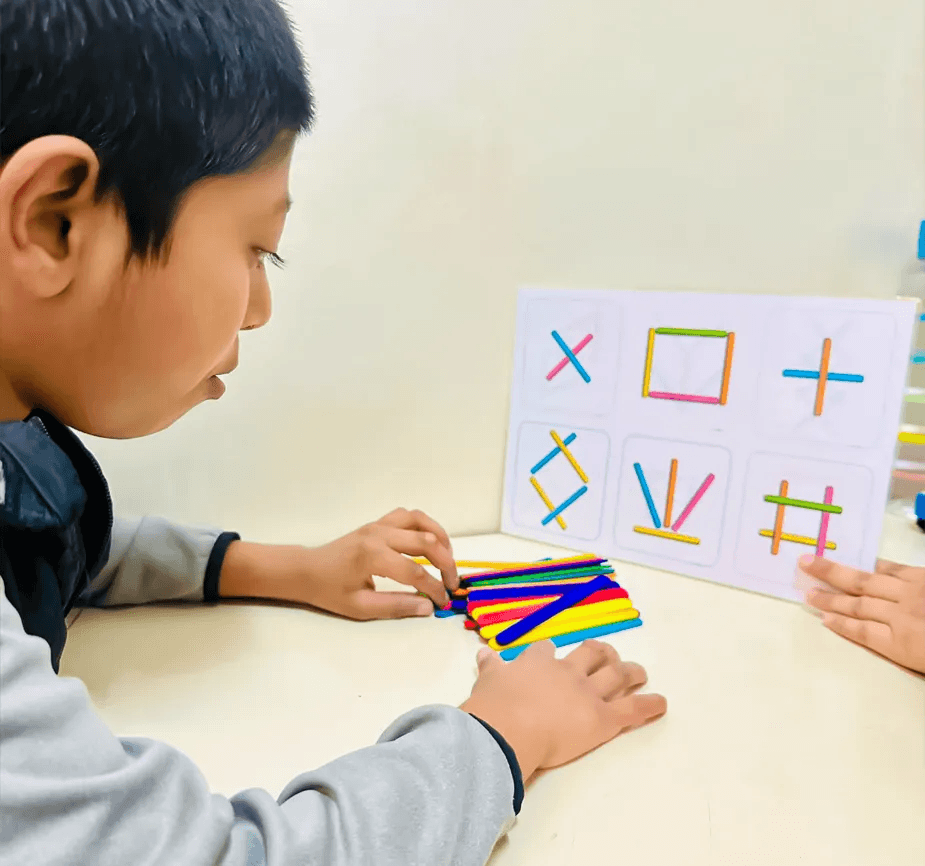
Have you ever found yourself unsure of how to talk to a child with autism – especially one between the ages of 4 and 6? You’re not alone. A lot of us want to do the right thing but don’t always know how to approach it. Here’s the thing: it all starts with kindness. This blog is all about why kindness matters so much, how you can approach conversations more thoughtfully, and some simple, actionable tips that can make a big difference. First, Let’s Understand What Autism Can Look Like Every child is different, but when it comes to autism, some common things you might notice in 4–6-year-olds include: These kids aren’t being difficult. They’re just processing the world differently. And honestly? That’s okay. According to the National Autistic Society, communication styles in autistic kids can vary a lot. So the way we speak, listen, and respond needs to come from a place of understanding. So, Why Is Kindness Such a Big Deal? Imagine being in a place where people are talking at you, not with you. That’s what it can feel like for some autistic children – especially when communication is already tricky. Here’s why kindness really matters: 1. It Helps Them Feel Safe When we’re gentle, calm, and patient, it sends the message: “You’re safe. Take your time. I’m here for you.” And that’s powerful. 2. It Lowers Anxiety Loud voices, quick changes, and pressure to speak can overwhelm a child with autism. Speaking kindly and moving at their pace helps reduce that sensory overload. 3. It Builds Trust (And Confidence) When you consistently respond with kindness—even when communication is tough—you’re building a connection they can rely on. And with that trust comes confidence. Autism Speaks reminds us: teaching kindness to others helps autistic kids feel included, respected, and valued. Isn’t that what we all want? How Do You Actually Talk to an Autistic Child with Kindness? Great question. Let’s break it down into easy, doable steps. 1. Slow Down and Be Patient Give them space to think and respond. Silence is okay. If they need a minute, let them have it. Rushing won’t help either of you. 2. Keep Your Language Simple Skip metaphors, sarcasm, or big explanations. Instead of saying, “Can you spill the beans?” try “Can you tell me what happened?” 3. Use Visuals or Gestures Many kids on the spectrum understand pictures better than words. Use picture cards, draw something, or point. Visual communication is a game-changer. Need help finding the right visual tools?Omega offers a fantastic range of communication aids designed specifically for young autistic children. Their tools are made with simplicity and kindness in mind—perfect for kids aged 4–6 who respond better to visuals than words. 4. Respect Their Space If they don’t like eye contact or being touched, that’s totally okay. You can still connect with them by being nearby, talking gently, and showing warmth in your voice. 5. Celebrate Every Effort Did they point to something instead of saying it? Awesome. Clap for that! Celebrate any attempt at communication—even the small stuff. 6. Be a Role Model for Other Kids Whether you’re a parent, teacher, or friend—kids are watching you. How you treat autistic children teaches them how to treat others, too. When Should You Use These Tips? Basically, any time you’re talking to a child with autism, but especially: These are the moments when kindness counts the most. Wait, What If I Get It Wrong? You might. And that’s okay. What matters more is that you keep showing up with empathy and patience. Children – autistic or not – notice when someone’s heart is in the right place. And that effort? It speaks louder than words. Final Thoughts: Kindness Is the Bridge When you lead with kindness, you’re not just making communication easier—you’re building trust, security, and a space where that child feels seen and heard. So the next time you’re unsure how to talk to a child with autism, just remember: “Kindness doesn’t need words. Sometimes, it’s just a smile, a pause, or a softer tone.” Let’s raise and support kids in a world that’s more accepting, more patient, and a whole lot kinder. 💙