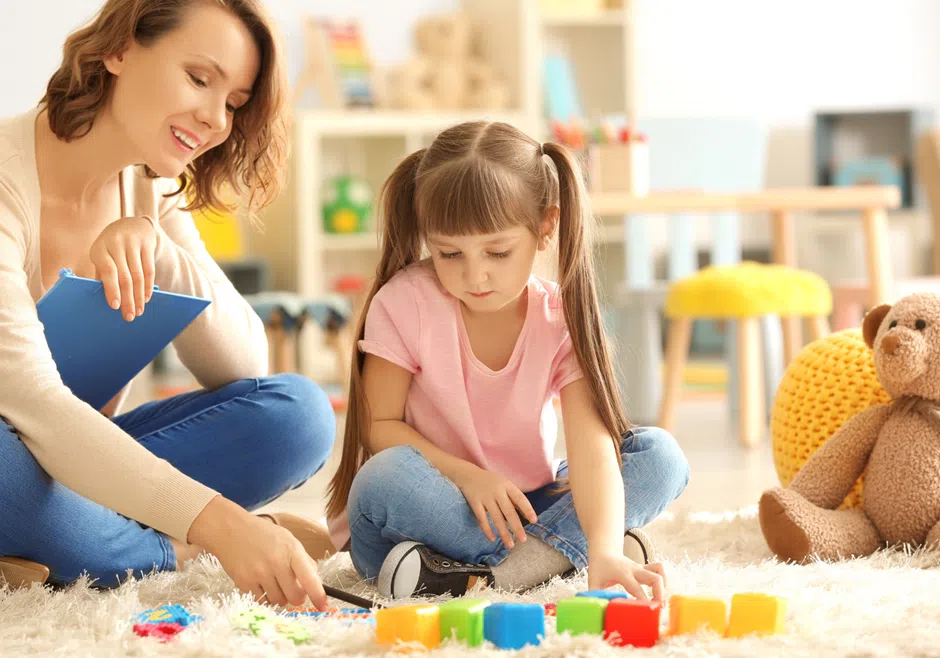
Effective Behavioral Therapy Techniques for Parents to Support Their Children at Home
Behavioral therapy is a widely recognized and effective approach for children facing behavioral challenges or developmental disorders. Its focus on modifying and shaping behavior through positive reinforcement makes it an ideal technique for parents to employ at home. In this article, we will outline step-by-step techniques that parents can use to support their children through behavioral therapy. Set clear and consistent expectations Establishing clear expectations is crucial for children to understand what is expected of them. Clearly communicate rules, boundaries, and consequences, ensuring they are age-appropriate and understandable. It’s important to maintain consistency since it gives kids a feeling of order and predictability. Utilize positive reinforcement One effective strategy for changing behavior is positive reinforcement. Praise and reward your child when they exhibit positive behaviors or meet expectations. This can be as simple as praising them for completing chores or behaving well at school. Rewards can include verbal praise, small treats, or privileges such as extra playtime. Implement a reward system A reward system can be an effective way to motivate children and encourage positive behaviors. Create a chart or visual display where your child can track their progress. Set achievable goals and provide rewards when they reach milestones. This system helps children develop a sense of accomplishment and encourages them to strive for positive behaviors. Use visual cues and schedules Visual cues and schedules are particularly useful for children who struggle with organization and routine. Create visual charts or schedules that outline daily tasks, chores, and activities. This helps children understand expectations and provides them with a sense of structure. Use pictures, symbols, or color coding to make it easier for them to understand and follow. Practice positive communication Effective communication is essential in behavioral therapy. Encourage open and honest conversations with your child, allowing them to express their thoughts and feelings without judgment. Active listening and empathetic responses can help build trust and strengthen your relationship. Teach your child appropriate ways to express themselves and resolve conflicts peacefully. Teach self-regulation techniques Children often struggle with managing their emotions. Teach your child self-regulation techniques such as deep breathing exercises, counting to ten, or taking a break when feeling overwhelmed. Encourage them to identify their emotions and find appropriate ways to cope with them. Modeling these techniques yourself can also be beneficial. Seek professional guidance and support While these techniques can be helpful, it is important to remember that each child is unique. If you find that your child’s behavioral challenges persist or worsen, consider seeking professional guidance from a behavioral therapist or counselor. They can provide tailored strategies and interventions to address your child’s specific needs. Behavioral therapy techniques Behavioral therapy techniques offer parents an effective approach to supporting their children at home. By setting clear expectations, utilizing positive reinforcement, implementing reward systems, and practicing positive communication, parents can help shape their child’s behavior in a positive and constructive manner. Additionally, using visual cues, teaching self-regulation techniques, and seeking professional support when needed can further enhance the effectiveness of behavioral therapy. Remember, patience, consistency, and love are key ingredients in helping your child succeed in their behavioral development.