Children with ASD

winter-camp-wonder-image
Children with ASD

Winter Camp Wonders: A Joyful Journey of Fun, Learning, and Togetherness

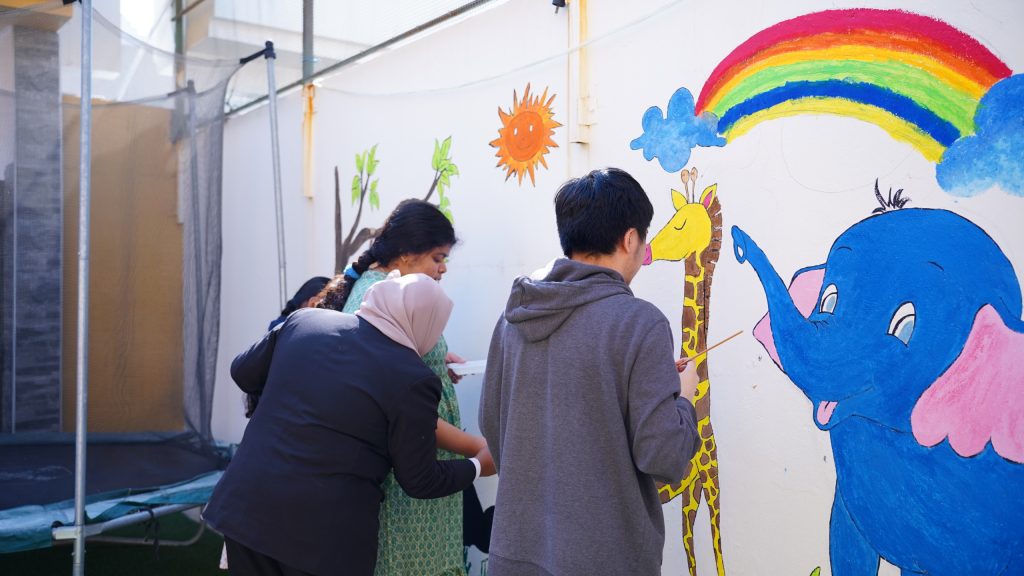
Omega Center for People with Disabilities recently organized a heartwarming Winter Camp, filled with fun activities, sensory-rich experiences, and moments of pure joy. Each day was carefully planned to engage the children in creative, interactive, and skill-building activities. Let’s take a look at the beautiful journey our kids had! Day 1: Fun and Games Kickoff! 🎉 The camp started with an energetic and playful atmosphere as our kids engaged in musical chairs and other interactive games. The day was filled with laughter, excitement, and friendly competition. The preparations by Omega Center ensured a safe and inclusive environment, allowing each child to participate and enjoy the day to the fullest. Day 2: Spreading Joy with Handmade Greeting Cards 🎨💌 Creativity was in the air as our kids made beautiful greeting cards and exchanged them with their friends. This activity encouraged self-expression, social interaction, and fine motor skills development. Seeing their faces light up while giving and receiving cards was truly heartwarming. Day 3: Traditional Day – A Celebration of Culture 👘🕺 On Day 3, the children embraced Traditional Day, where they dressed in cultural attire and performed dances, songs, and other activities. This day was dedicated to celebrating diversity and helping our kids connect with different traditions in a fun and engaging way. Day 4: A Unique Fishing Experience 🎣 One of the most memorable experiences was fishing within our premises! In a sensory-rich environment, the children got to explore, touch, and experience nature while trying their hands at fishing. This activity not only built patience and focus but also provided a soothing and immersive experience. Check our video: https://www.instagram.com/reel/DEhbsHqIjG5/?utm_source=ig_web_copy_link&igsh=MzRlODBiNWFlZA== Day 5: Laughter and Fun with Team GAC 😂🎭 The kids had an absolute blast as Team GAC joined in to spread laughter and joy! With engaging performances, interactive games, and endless smiles, this day was all about pure fun and bonding. The energy and happiness were contagious! Day 6: Crafting Personalized Photo Frames 📸✨ Creativity took center stage as our kids designed their own photo frames. This hands-on activity allowed them to explore textures, shapes, and colors, enhancing their fine motor skills and artistic abilities. Each child took home a beautiful keepsake filled with memories from the camp. Day 7: Muffin Frosting – A Sensory Delight 🧁 Our kids had the sweetest experience as they decorated muffins with colorful frosting. This fun-filled activity engaged multiple sensory systems, including tactile (touch), gustatory (taste), visual, and olfactory (smell). It was a perfect mix of creativity and sensory integration! Day 8: Wall Painting – Capturing the Essence of Winter Camp 🎨🖌️ The final day was a grand celebration, where the children participated in a wall painting activity that beautifully captured the highlights of the 14-day camp. It was incredible to see their reflections of joy, friendships, and learning come to life through art. Day 9: Painting Their Dreams on the Walls 🎨 The children came together for a collaborative wall-painting activity, turning blank walls into a colorful reflection of their camp experiences. This creative endeavor encouraged teamwork, self-expression, and a sense of pride in their environment. Day 10: A Journey Through Space 🚀 Our little explorers set out on an interstellar adventure, learning about planets, stars, and the vast universe in a sensory-friendly way. With interactive displays and creative storytelling, the wonders of space became accessible and exciting for everyone. Day 11: DIY Virtual Reality Experience 🕶️ Technology met imagination as campers engaged in a DIY virtual reality experience. They explored digital landscapes, enhancing their visual-spatial awareness and creativity while being immersed in a whole new world. Day 12: Snowbell the Snowman ☃️ The winter magic continued with a fun-filled snowman-building activity! Campers created their own Snowbell the Snowman, decorating and personalizing their frosty friends while enhancing motor skills and teamwork. Days 13 & 14: Winter Wonderland Extravaganza ❄️✨ The camp wrapped up with a breathtaking Winter Wonderland experience, where children engaged in sensory-rich activities designed to create a magical and festive atmosphere. From snow-themed play areas to twinkling decorations, it was a perfect way to celebrate the season and welcome the new year with joy and warmth. Looking Forward to More Amazing Camps! This Winter Camp was not just about activities—it was about building confidence, friendships, and lasting memories. A huge thank you to our dedicated team, volunteers, and parents for making this camp a wonderful success. Stay tuned for more exciting upcoming camps at Omega Center for People with Disabilities! 
omega-center-pop-up-event-for-parents-image
Children with ASD

Pop-Up Shop for Parents of Children with Special Needs Conducted by Omega Center For People With Disabilities

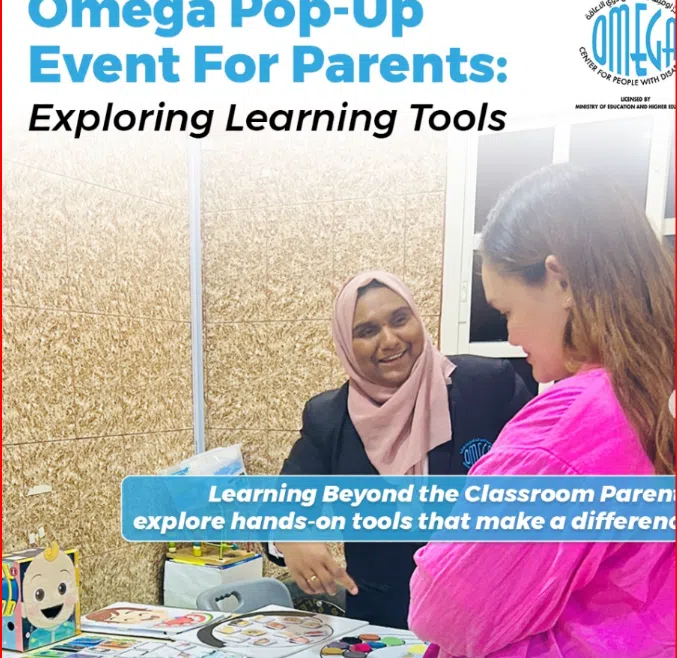
Supporting children with special needs requires collaboration between educators, therapists, and families. With this vision, Omega Center For People With Disabilities successfully conducted a Pop-Up Shop for parents, showcasing a wide range of teaching and learning materials specially designed for children with special needs. The event aimed to provide parents with practical exposure to educational resources that enhance learning, communication, and developmental skills beyond the classroom environment. To give parents and readers a real glimpse of the event experience, Omega Center also shared highlights from the day on Instagram. The post captures the interactive nature of the pop-up shop, showcasing hands-on learning tools, engaging activities, and meaningful parent participation. You can explore the event highlights here:👉 https://www.instagram.com/p/DGvkRWlK0MP/?utm_source=ig_web_copy_link&igsh=MzRlODBiNWFlZA%3D%3D Purpose of the Pop-Up Shop Event The pop-up shop was organized to help parents better understand how specialized teaching materials can support their child’s growth and learning journey. Key Objectives of the Event: By creating an interactive platform, the center ensured parents could experience the materials firsthand rather than simply learning about them theoretically. Teaching Materials Displayed During the event, Omega Center For People With Disabilities displayed various educational tools carefully selected to meet the diverse needs of children with special needs. 1. Sensory Development Materials Sensory learning tools were introduced to help children improve focus, emotional regulation, and sensory processing. Examples included: 2. Communication and Language Development Aids These materials supported expressive and receptive communication skills. Displayed resources included: 3. Fine Motor Skill Development Activities Hands-on materials encouraged coordination and independence. Examples: 4. Cognitive and Academic Learning Materials Interactive tools helped children understand academic concepts through play-based learning. Materials included: Parent Participation and Experience Parents actively engaged with educators during the pop-up shop, gaining valuable insights into how each material supports specific developmental goals. The event allowed parents to: Many parents appreciated the opportunity to explore resources in a supportive and informative environment. Impact of the Event The pop-up shop created a meaningful learning experience for families  Positive Outcomes: Commitment to Education Initiatives  Omega Center For People With Disabilities continues to promote learning by organizing initiatives that empower both children and their families. Events like this pop-up shop highlight the importance of accessible resources and community involvement in special education. Conclusion The successful pop-up shop conducted by Omega Center For People With Disabilities was more than an exhibition—it was a step toward empowering parents with knowledge, resources, and confidence to support children with special needs effectively. By showcasing specialized teaching materials and encouraging active participation, the event strengthened the partnership between families and educators, ultimately benefiting the children’s developmental journey.

autism-and-alexithymia-image
Children with ASD

Understanding Alexithymia in Children with ASD and How to Overcome It

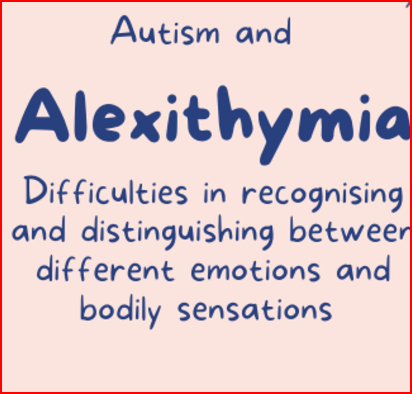
Alexithymia, the difficulty in identifying and verbalizing emotions, is a phenomenon oftenobserved in children with Autism Spectrum Disorder (ASD). These children may struggle toexpress what they feel, leading to frustration, behavioral challenges, and a potential impact onsocial relationships. However, with the right interventions, significant progress can be achieved.Below, we explore how behavioral therapy, speech therapy, and occupational therapy canaddress alexithymia in children with ASD. Behavioral Therapy: Positive Behavioral Support (PBS)Behavioral therapy, particularly Positive Behavioral Support (PBS), is a cornerstone for helpingchildren with alexithymia. PBS focuses on understanding the reasons behind a child’schallenging behaviors and teaching alternative, positive ways to express emotions. Building Emotional Awareness:Therapists work with children to recognize physical cues linked to emotions, such as a racingheart for anxiety or tense muscles for anger. Reinforcing Expression:Through techniques like role-playing or visual aids, children learn to label emotions with wordsor visual symbols. Positive reinforcement is used to encourage repeated success.Encouraging Self-Regulation: PBS helps children develop coping strategies, such as deepbreathing or asking for help, when overwhelmed by their emotions.For example, a child who struggles to express frustration might learn to point to a “frustrated”card on a visual chart instead of acting out. Speech Therapy – Stimulating Communication Skills:Speech therapy can help bridge the gap between emotions and language for children withalexithymia. Speech-language pathologists (SLPs) focus on building functional communicationskills tailored to each child’s needs. Language Development:SLPs use techniques such as modeling, repetition, and games to expand a child’s vocabulary,particularly focusing on emotional words. Using Augmentative and Alternative Communication (AAC):For non-verbal or minimally verbal children, AAC tools like picture exchange communicationsystems (PECS) or speech-generating devices can be invaluable. These tools provide anaccessible way for children to communicate emotions they can’t verbalize. Social Skills Training:Speech therapy often includes group activities where children practice expressing feelings in asafe, structured environment, improving both verbal and non-verbal communication.An example of progress might be a child using a PECS card with a sad face to communicatefeeling upset after a misunderstanding with a peer. Occupational Therapy: Interoception-Based ActivitiesOccupational therapy (OT) plays a vital role in helping children develop interoception—theability to recognize and understand internal body signals linked to emotions. Interoception-focused OT activities foster self-awareness and emotional regulation. Body Awareness Exercises:Activities like yoga, stretching, or deep-pressure techniques help children connect physicalsensations to emotions. For instance, they learn to associate a warm face or clenched fists withanger. Sensory Integration:Therapists use sensory-based activities, such as sensory brushing or weighted blankets, to helpchildren regulate their responses to emotions. These activities also improve self-calmingabilities. Emotion Mapping:Therapists might use tools like emotion thermometers or charts that visually represent how thebody feels during different emotions, enabling children to better understand their internal states. A practical example is a child identifying hunger as the cause of irritability during a therapysession, linking the sensation to the need for a snack. Conclusion:Alexithymia can be a challenging barrier for children with ASD, but with a collaborative andtailored approach, remarkable progress is possible. Behavioral therapy, speech therapy, andoccupational therapy complement each other, addressing both the emotional and physicalaspects of alexithymia. Through these interventions, children can not only learn to identify andexpress their emotions but also develop greater independence and improved socialconnections. Supporting children with alexithymia is a journey, but the outcomes—better communication,emotional regulation, and enhanced relationships—are well worth the effort. By integratingthese therapies into their daily lives, we empower children to navigate their emotions withconfidence

Scroll to Top