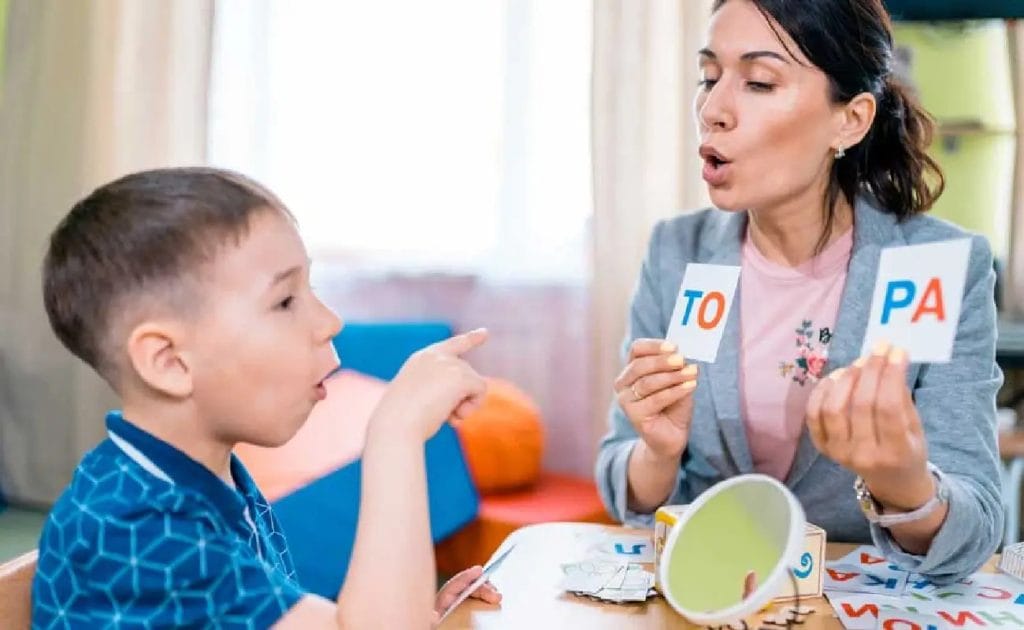
Common Communication and Language Challenges in Children: How Therapy Makes a Difference
Communication is one of the most important skills a child develops during the early years of life. It enables children to express their thoughts, understand others, build relationships, and participate in learning. However, some children may experience challenges with speech, language, or communication that make everyday interactions more difficult. Early identification and intervention can significantly improve a child’s communication abilities. Through personalized strategies and evidence-based techniques, speech therapy helps children strengthen their communication skills, build confidence, and participate more effectively in daily activities. Understanding Communication and Language Challenges Although speech and language are often used interchangeably, they refer to different aspects of communication. Some children may experience challenges in one area, while others may have difficulties across multiple aspects of communication. Common Communication and Language Challenges in Children 1. Delayed Language Development Some children develop language skills more slowly than expected for their age. They may have difficulty learning new words, forming sentences, or understanding instructions. Common signs include: Speech therapy helps children strengthen both receptive (understanding) and expressive (speaking) language skills through structured activities and personalized learning techniques. 2. Speech Sound Disorders Children with speech sound disorders may struggle to pronounce certain sounds correctly, making their speech difficult to understand. Examples include: Speech therapists use targeted exercises to improve articulation, pronunciation, and speech clarity. 3. Social Communication Challenges Some children experience difficulty using communication appropriately during social interactions. Challenges may include: Speech therapy incorporates practical activities that help children develop meaningful communication skills for everyday interactions. 4. Receptive Language Difficulties Receptive language refers to understanding spoken language. Children may struggle to: Therapists use engaging activities to strengthen listening, comprehension, and language processing skills. 5. Expressive Language Difficulties Expressive language involves communicating ideas, feelings, and information. Children may experience: Speech therapy encourages language development through structured conversations, storytelling, and vocabulary-building exercises. 6. Fluency Disorders Some children may experience interruptions in the natural flow of speech, commonly known as stuttering. Signs include: Speech therapists teach strategies that improve fluency while helping children communicate with greater confidence. 7. Voice Disorders Voice disorders affect the quality, pitch, or volume of a child’s voice. Possible signs include: Speech therapy identifies contributing factors and provides exercises to promote healthy voice use. Why Early Intervention Matters Communication challenges can affect many areas of a child’s development beyond speech itself. Early intervention can support: Addressing communication concerns early often leads to better long-term outcomes. How Speech Therapy Makes a Difference Speech therapy uses individualized treatment plans based on each child’s strengths, goals, and communication needs. Therapy may include: Language Development Activities Children participate in structured activities that build vocabulary, sentence formation, listening, and comprehension. Articulation Practice Therapists teach children how to correctly produce speech sounds using age-appropriate techniques. Play-Based Learning Interactive games and engaging activities encourage communication naturally and enjoyably. Social Communication Training Children learn practical communication skills for everyday situations, including conversations, turn-taking, and understanding social cues. Parent Involvement Families receive guidance and home strategies that reinforce communication skills outside therapy sessions, supporting consistent progress. Children Who May Benefit from Speech Therapy Speech therapy may be beneficial for children who experience: An early assessment can help determine the most appropriate support based on the child’s individual needs. Supporting Communication at Home Parents and caregivers play an important role in encouraging communication development. Helpful strategies include: Small, consistent interactions can reinforce the skills children learn during therapy. Choosing the Right Speech Therapy Program When selecting a speech therapy provider, consider whether the program offers: Choosing a program that tailors therapy to each child’s communication goals can contribute to meaningful and lasting progress. Conclusion Communication is a vital part of every child’s development, influencing learning, relationships, and emotional well-being. While communication and language challenges can present obstacles, early intervention and personalized speech therapy can make a meaningful difference in helping children build stronger communication skills and greater confidence. Many multidisciplinary therapy centers, including Omega Center For People With Disabilities, provide speech therapy as part of a comprehensive approach to supporting children with developmental needs. By combining professional guidance with family involvement and individualized therapy plans, children can continue developing the communication skills they need to participate more confidently in everyday life