Music Therapy

Special education for children with special needs at Omega Center
Music Therapy, Un-categorized

Bridging the Gap: How Music Therapy Enchants the Journey of Special Children

December 21, 2023 Imagine a world where melodies mend communication gaps, rhythms become stepping stones for development, and songs unlock hidden potential. This is the world of music therapy for special children, a realm where sound becomes a bridge towards growth and understanding. For children with physical, emotional, or cognitive challenges, navigating life can be an uphill battle. Traditional methods may not always reach the depths of their unique needs. But music, a universal language, speaks directly to the soul, bypassing limitations and tapping into the essence of who they are. The Symphony of Benefits: The benefits of music therapy extend beyond the individual child, impacting families and communities as well. Parents witness the joy and progress in their children, finding renewed hope and resilience. Schools and therapy centers incorporate music therapy into their programs, creating inclusive environments where all children can thrive. Types of Music Therapy Music therapy explores different approaches, including individual and group sessions, instrumental and vocal activities and adapted techniques for specific needs. Creating a Melody of Success: Music therapy isn’t a one-size-fits-all approach. Each child requires personalized strategies and techniques. A skilled music therapist becomes a conductor, orchestrating a program tailored to their specific needs and interests. Unleashing the Potential: Music therapy holds immense promise for special children. It’s not just a therapy; it’s a journey of exploration, expression, and connection. By incorporating music into their lives, we can unlock their hidden talents, nurture their well-being, and help them blossom into the beautiful individuals they truly are. So, let the music play! Let it paint their world with vibrant colors, guide their steps with rhythmic beats, and whisper hope in their ears. In the world of music therapy, special children not only find their voice but also discover the magic within themselves at Omega Center For Special Needs Education.

music-therapy-image
Music Therapy

Music Therapy: Unlocking Potential through Therapeutic Melodies

Music therapy helps people of all ages (children, adolescents, and adults) as it is a form of therapy that uses music to address the physical, emotional, cognitive, and social needs of individuals. It utilizes music and its elements, such as sound, rhythm, and harmony, to achieve specific goals, such as reducing stress or enhancing the quality of life. Let’s delve into the different types of music therapy, uncovering the therapeutic melodies hidden within each technique. 1. Individual vs. Group Sessions: 2. Instrumental vs. Vocal Activities: 3. Adapted Techniques for Specific Needs: Conditions Managed by Music Therapy for Special Children Conclusion These are just a few examples of the diverse tapestry woven by music therapy. By understanding the different types and their applications, we ensure that every child finds their own unique rhythm at Omega Center For Special Needs Education’s Music Therapy Program. Music therapy is not just about entertainment; it’s about tapping into the transformative power of sound to unlock potential, build connections, and nurture the well-being of special children.

music-instrument-image
Music Therapy

How Music Therapy Benefits Children with Diverse Challenges

The melody of a child’s laughter is one of life’s sweetest sounds. But for children facing challenges like autism, ADHD, Down syndrome, and learning disabilities, the world can sometimes feel off-key. This is where music therapy steps in, offering a unique and powerful tool to harmonize their experiences. Autism: ADHD: Down Syndrome: Learning Disabilities: Going Beyond Music therapy benefits children with diverse challenges in several ways that go beyond their diagnoses. It can: While diagnoses differ, the beauty of music therapy lies in its ability to harmonize with each child’s unique needs. At Omega Center For Special Needs Education, we believe every note matters, weaving music into our curriculum to unlock potential with Music Therapy, nurture communication, and celebrate the symphony of diverse minds. Talk to our team to learn about enrollment.

music-therapy-2
Music Therapy

Choosing the Right Music Therapy Program for Your Child: A Parent’s Guide

Selecting the right therapeutic interventions for your child can be a significant decision, especially for parents of children with special education needs. Among the various options available, music therapy stands out as a unique and effective tool that leverages the universal language of music to support emotional, cognitive, and social development. This guide aims to help you navigate the essential factors to consider, ensuring that your child receives the best possible support through music therapy. Understanding Music Therapy for Children with Special Education Needs What is Music Therapy?Music therapy is a therapeutic approach that uses music to address physical, emotional, cognitive, and social needs. It is particularly beneficial for children with special education needs, such as those with autism, ADHD, or learning disabilities. Through activities like singing, playing instruments, and listening to music, children can enhance their communication skills, emotional regulation, and overall well-being. Music therapy offers a joyful and engaging environment that encourages children to express themselves and develop important skills. How Music Therapy Helps in Special EducationMusic therapy provides a safe and relaxed environment where children can explore and develop various skills. Rhythmic activities can aid in improving motor coordination, while singing can help enhance speech and language abilities. Additionally, the flexible nature of music therapy allows for sessions to be personalized to each child’s unique needs, making it a valuable complement to other therapies in special education settings. Key Factors to Consider When Choosing a Music Therapy Program 1. Qualifications and Experience of the Music TherapistIt’s essential to consider the qualifications and experience of the music therapist. Look for a therapist who is well-trained in both music and therapeutic techniques and has experience working with children who have similar needs to your child. A skilled therapist can tailor sessions to meet your child’s developmental and emotional needs, creating a more effective and enjoyable therapeutic experience. 2. Program Structure and CustomizationNot all music therapy programs are the same. A good program will be both structured and flexible, with sessions designed to meet your child’s individual goals and challenges. Personalized programs that regularly assess and adapt based on your child’s progress can lead to better outcomes. When evaluating a program, inquire about how goals are set, monitored, and adjusted over time to ensure they align with your child’s evolving needs. 3. Location and AccessibilityThe location of the therapy program plays a crucial role in its consistency and success. Consider whether the program is conveniently located or if virtual sessions are offered, which can be beneficial if travel is a concern. A program that is easy to access can help maintain regular attendance, leading to more consistent progress. 4. Parent and Family InvolvementMusic therapy is most effective when it extends beyond the therapy room. Programs that involve parents and family members can offer additional support and reinforcement of therapeutic techniques at home. Look for programs that offer opportunities for parent training or family sessions, which can enhance the overall impact of therapy on your child’s development. Questions to Ask When Choosing a Music Therapy Program To make a well-informed decision, consider asking the following questions when evaluating potential music therapy programs: Asking these questions can help you gain a better understanding of the program’s approach and whether it aligns with your child’s needs and your family’s values. Red Flags to Watch Out For While many music therapy programs are reputable and effective, it’s important to be mindful of potential red flags: Conclusion Choosing the right music therapy program for your child can significantly impact their development and overall quality of life. By considering factors such as the therapist’s qualifications, program structure, accessibility, and family involvement, you can find a program that best meets your child’s needs. The goal is to create a supportive and enjoyable environment where your child can thrive and experience the benefits of music as a therapeutic tool. For parents in Qatar exploring music therapy options, Omega Center For Special Needs Education offers a range of specialized programs tailored to children with special education needs. Take the next step by researching local programs, setting up consultations, and asking the right questions to ensure you make an informed decision.

music-therapy-blog1
Music Therapy

Music Therapy For Special Education: Myths Debunked: What Parents Should Know

Music therapy has long been celebrated for its benefits in enhancing the cognitive, emotional, and social skills of children with special needs. However, several misconceptions surrounding this therapy often prevent parents from exploring its potential for their child. In this blog, we debunk some common myths about music therapy to help you make an informed decision. Myth 1: Music Therapy Is Just Listening to Music Many parents believe that music therapy involves passive listening to music, but in reality, it’s much more interactive. Certified music therapists use techniques such as playing instruments, songwriting, and rhythm exercises tailored to the child’s needs. These activities stimulate various areas of the brain, improving skills like communication, motor coordination and emotional regulation. Myth 2: Only Children Who Are Musically Inclined Can Benefit You don’t need a musically talented child to benefit from music therapy. The therapy is not about musical performance but about using music as a tool to help children achieve developmental goals. Therapists design sessions based on the child’s individual needs and abilities, ensuring that each child can engage and benefit regardless of their musical aptitude. Myth 3: Music Therapy Can Replace Traditional Therapies While music therapy offers significant benefits, it should be viewed as a complementary approach rather than a replacement for traditional therapies. It works best alongside other therapies like speech, occupational, or physical therapy to provide a well-rounded developmental plan for children with special needs. Myth 4: Music Therapy Is Expensive and Not Widely Available Although cost may be a concern, several schools and special education centers offer music therapy as part of their services, including Omega Center. Additionally, various organizations provide funding or scholarships for families. Always explore local resources or ask your child’s therapist for recommendations. Myth 5: The Results Are Immediate While music therapy can provide noticeable improvements in behavior and skills, it’s essential to remember that progress takes time. Like any therapeutic intervention, consistent and sustained efforts yield the best results. Parents should set realistic expectations and remain patient throughout the process. Conclusion:  By debunking these myths, we hope to encourage more parents to consider music therapy as part of their child’s developmental journey. It’s an evidence-based therapy that can offer meaningful progress in enhancing the quality of life for children with special needs. To learn more about how music therapy can help your child, consult with a certified music therapist or visit Omega Center, a dedicated resource in Qatar offering comprehensive support for children with special needs.

music-therapy-image
Music Therapy

Top Signs That Music Therapy Might Be the Right Fit for Your Child

Music is a universal language, resonating deeply within us. For children with disabilities, music therapy offers a unique and effective approach to learning, emotional expression, and social development. If you’re wondering whether music therapy could be the right fit for your child, this blog will help you identify key signs to consider. Difficulty Expressing Emotions Children with disabilities often struggle to communicate their feelings effectively. Music therapy can provide them with an alternative, non-verbal outlet for emotional expression, as research has demonstrated its effectiveness in helping children with disabilities explore and communicate their feelings in a structured environment. Through rhythm, melody, and movement, children can explore and release their emotions in a safe and supportive environment. Specific activities, such as rhythmic drumming or guided musical improvisation, have been shown to aid in emotional regulation and foster self-expression. Challenges with Social Interaction Does your child find it difficult to connect with others or participate in group activities? Music therapy promotes social engagement by encouraging children to collaborate, take turns, and respond to musical cues. Group sessions can help them build essential social skills in an enjoyable and pressure-free setting. Speech and Language Development Delays For children with speech and language difficulties, music therapy can be a game-changer. Singing and rhythmic exercises stimulate brain regions associated with language development. Over time, these activities can enhance vocabulary, pronunciation, and communication confidence. Sensory Processing Issues If your child struggles with sensory processing—either overreacting to or under-responding to stimuli—music therapy might be an excellent fit. Therapists use tailored musical activities to help regulate sensory responses, such as hyperresponsiveness or sensory-seeking behaviours, creating a calming or stimulating effect based on the child’s unique needs. Anxiety or Behavioural Challenges Children with disabilities may experience heightened anxiety or behavioural difficulties. Music therapy helps them develop coping mechanisms, reduces stress, and fosters self-regulation. Calming tunes or rhythmic drumming can create a soothing atmosphere, allowing children to feel more grounded. Interest in Music A natural inclination toward music is a promising sign that your child could thrive in music therapy. If your child lights up when they hear a favourite song or enjoys playing with instruments, these interests can be harnessed to boost their overall development and well-being. Difficulty with Motor Skills Music therapy often involves movement, such as clapping, dancing, or playing instruments. These activities improve both fine and gross motor skills. If your child has difficulty with coordination or muscle control, music therapy may offer engaging ways to strengthen these abilities. Music therapy has been shown to provide benefits for various conditions – here are a few: How Music Therapy Works for SEN (Special Educational Needs) Children Music therapy sessions are tailored to the individual needs of each child. A certified music therapist will assess your child’s strengths, challenges, and interests to design activities that support their developmental goals. These may include: When selecting a music therapist, look for professionals with recognised certifications and experience in working with children with disabilities. Local organisations or specialist therapy centres can guide you to qualified practitioners who align with international best practices. Further Considerations While music therapy can be highly effective, it’s essential to remember that not all children may respond equally. The success of therapy depends on factors like the child’s interests, the therapist’s approach, and consistency in practice. Parents can support this process at home by incorporating musical activities, such as singing or simple rhythmic exercises, into daily routines to reinforce the benefits of therapy. Conclusion Music therapy is a powerful tool for helping children with disabilities overcome challenges, develop critical skills, and discover joy in learning. Ready to take the first step? Contact us today to schedule a consultation and learn more about how music therapy can transform your child’s life.

piano-mat-image
Music Therapy

Music Therapy Learning with Piano Mats: Enhancing Cognitive and Social Skills

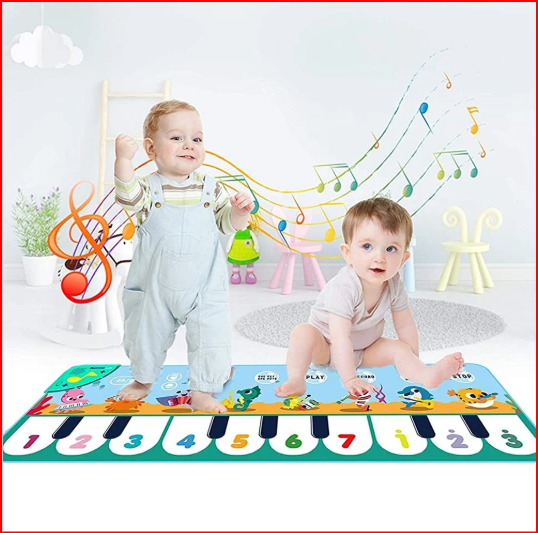
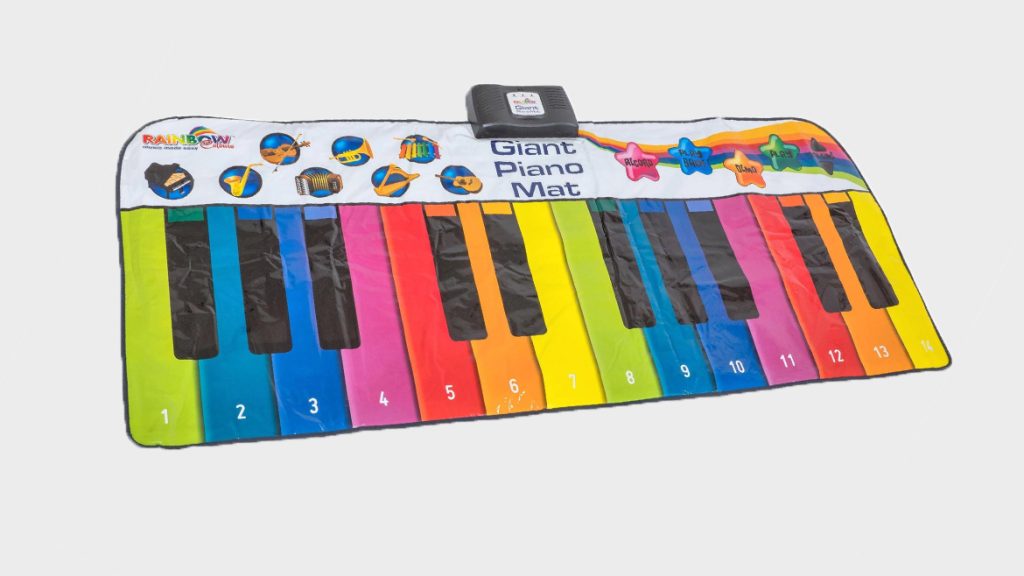
Music therapy is a powerful tool for cognitive and emotional development, helping individuals improve focus, coordination, and social interaction. One of the most engaging ways to integrate music therapy into learning is through piano mats—interactive, touch-sensitive mats that produce musical notes when stepped on. These mats offer a fun and immersive learning experience, especially for young children and individuals with special needs. Let’s explore how they contribute to skill development in a structured manner. 1. Cognitive Benefits of Piano Mat Activities 🎨 Color Recognition Enhancement 🎯 Following Simple Directions 2. Behavioral and Emotional Development 🧠 Boosting Attention, Concentration, and Impulse Control 🎵 Encouraging Emotional Expression 3. Social and Interactive Benefits 👫 Enhancing Social Skills and Teamwork 🚶 Improving Motor Skills and Coordination Conclusion Music therapy using piano mats is an engaging, educational, and therapeutic approach to learning. Whether used at home, in schools, or in therapy sessions, these mats provide structured, hands-on experiences that support: At Omega Center for People with Disabilities, we believe in the transformative power of music therapy. Using tools like piano mats, we help individuals enhance their learning, focus, and social interaction in a fun and supportive environment. If you’re looking for an effective and engaging way to support cognitive and emotional growth, incorporating music therapy into daily routines can make a world of difference!

piano-image
Music Therapy

Musical Therapy Made Simple: The Impact of Piano Mats on Special Needs Development

Children with special needs often experience the world in beautifully unique ways. Whether they face physical, cognitive, or sensory challenges, these children benefit immensely from tools that engage their senses, support development, and encourage joyful exploration. One surprisingly powerful yet simple tool is the piano mat. In this blog, we’ll explore how piano mats are being used in musical therapy to support the development of children with special needs, making therapy accessible, engaging, and fun. What Is a Piano Mat? A piano mat is an oversized, touch-sensitive musical mat that plays piano notes and other sounds when stepped on or touched. It turns music into a full-body activity by encouraging movement, creativity, and sensory engagement—all of which are incredibly beneficial for children with special needs. Why Music Matters in Special Needs Development Music therapy is a well-established method used to help children with disabilities develop key skills in a fun, low-pressure way. Research shows that music can: A piano mat brings these therapeutic benefits into an accessible, home- or classroom-friendly format.  How Piano Mats Benefit Children With Special Needs 1. Encourages Gross Motor Skills For children with physical disabilities or developmental delays, the act of stepping, crawling, or reaching across a piano mat promotes gross motor coordination, balance, and movement—all while keeping the child engaged through sound. 2. Supports Sensory Integration Children with sensory processing disorders (SPD), autism, or ADHD often benefit from structured sensory play. Piano mats deliver multi-sensory stimulation: This type of input can help improve sensory integration and tolerance. 3. Boosts Cognitive Development Learning that a specific action (pressing a key) produces a specific sound helps children understand cause and effect. Many piano mats also offer learning modes, teaching numbers, letters, or animal sounds—supporting memory, focus, and sequencing. 4. Facilitates Emotional Expression Music is a natural outlet for emotion. For non-verbal or speech-delayed children, creating music by movement gives them a way to communicate and express themselves freely. 5. Improves Social Skills Used in therapy sessions or classrooms, piano mats can encourage group play, turn-taking, and cooperative activities—important for developing social interaction skills. Real-Life Use Cases  Choosing the Right Piano Mat When shopping for a piano mat for a child with special needs, consider: Final Thoughts Musical therapy doesn’t need to be complicated or expensive. A piano mat offers an affordable, interactive, and joyful way to support children with special needs—helping them grow physically, cognitively, and emotionally. It’s a tool that turns sound into progress and movement into milestones. Whether you’re a parent, teacher, or therapist, adding a piano mat to your toolkit could be a simple yet impactful step in a child’s developmental journey.

music-image
Music Therapy

Neurologic Music Therapy for Special Children: How Music Helps Improve Speech, Cognition, and Motor Skills

What Is Neurologic Music Therapy (NMT)? Neurologic Music Therapy (NMT) is an evidence-based approach that uses music to support brain function. For special children, especially those with autism, ADHD, or speech and motor delays, NMT offers a fun, engaging, and powerful way to improve communication, thinking skills, and physical coordination. 1. Improving Speech and Communication with Music Many special children struggle with speech delays, articulation, or social communication. NMT uses techniques like Melodic Intonation Therapy, where singing helps stimulate the left side of the brain (responsible for language). How it helps: Example: A nonverbal child with autism may begin humming or singing simple words with consistent sessions.  2. Boosting Cognitive Skills Through Music Cognitive development includes memory, attention, problem-solving, and learning ability. Music therapy can activate multiple areas of the brain at once, helping special children strengthen these crucial skills. NMT techniques used: How it helps:  3. Enhancing Motor Skills with Rhythm Children with developmental delays often struggle with balance, coordination, or fine motor skills. NMT uses rhythm to guide movement, which helps the brain connect better with the body. Technique Highlight: How it helps: 4. Emotional and Social Benefits of Music Therapy Beyond physical and cognitive growth, music creates joy. For special children, it can be a bridge to connect with others, reduce anxiety, and build self-esteem. Benefits include: 5. Who Can Benefit from NMT? Neurologic Music Therapy can help children with: Conclusion: Music as a Pathway to Growth Music isn’t just a source of joy—it’s a proven therapeutic tool that helps special children communicate more clearly, think more critically, and move more confidently. Neurologic Music Therapy (NMT) offers a safe, engaging, and effective approach to support children with autism, ADHD, developmental delays, and more. If you’re looking for trusted support, Omega Center Qatar offers specialized services for special needs children, including Neurologic Music Therapy. Their certified therapists use evidence-based techniques to help children reach their full potential—through the power of music.

Scroll to Top