Play Therapy

play-therapy
Play Therapy

Exploring the Spectrum: A Dive into Different Types of Play Therapy

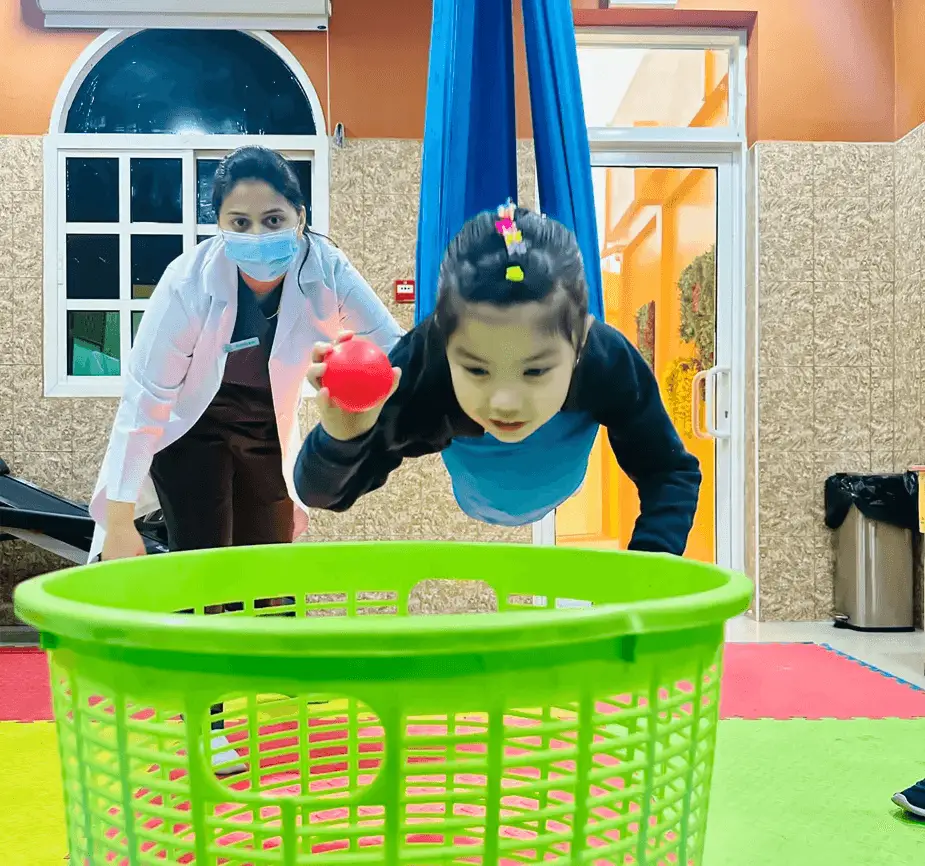
Play therapy has blossomed into a diverse world of approaches, each one attuned to the unique needs of children struggling with emotional and behavioral challenges. While the foundational concept remains the same – using play as a language for expression and healing – the specific techniques and therapist roles can vary significantly. Discover the vibrant spectrum of play therapy options we utilize at Omega Center For Special Needs Education. 1. Non-Directive Play Therapy: A child’s haven brimming with toys, puppets, art supplies, and endless possibilities – In non-directive play therapy, the child holds the reins, freely choosing play materials and activities. The therapist acts as a silent observer, offering unconditional acceptance and reflecting the child’s emotions and experiences through words and gentle prompts. This fosters self-expression, emotional regulation, and problem-solving skills in a safe and supportive environment. 2. Directive Play Therapy: Sometimes, a gentle nudge is needed to guide a child towards specific therapeutic goals. Directive play therapy takes a more structured approach, with the therapist introducing pre-planned activities and games tailored to address specific challenges. Think of it as a collaborative journey, where the therapist navigates the play experience while encouraging the child’s active participation. This approach can be particularly helpful for children who struggle with communication, social skills, or attention regulation. 3. Filial Play Therapy: Building bridges within families is at the heart of filial play therapy. This unique approach involves parents or caregivers learning play therapy techniques to guide their children through safe and structured play sessions at home. By observing and participating in these sessions, the therapist equips parents with the tools to understand their child’s emotional world, build stronger bonds, and support their child’s emotional well-being. 4. Sandplay Therapy: Miniature figures, natural objects, and sand become a canvas for emotions and inner narratives. The child creates miniature scenes, guided by their own imagination, while the therapist provides a safe space for non-verbal communication and insight. Sandplay therapy can be particularly effective for children who struggle to express themselves verbally or experience trauma. 5. Expressive Arts Therapy: Beyond words, the soul speaks through music, dance, and art. Expressive arts therapy embraces this diversity, using creative mediums as channels for emotional expression and healing. Through painting, playing musical instruments, and engaging in movement, children can explore their emotions, develop coping mechanisms, and build self-awareness in a non-threatening and empowering way. Personalized Play Therapy  Remember, choosing the right type of play therapy is a collaborative journey between parents, therapists, and the child themselves. At Omega Center For Special Needs Education, our experienced team of therapists takes a holistic approach, carefully assessing each child’s unique needs and recommending the most suitable therapy for their growth and well-being. Contact us today to learn more about our comprehensive play therapy programs and create a brighter future for your child.
Why-Skating-Is-Beneficial-for-Children-with-Special-Needs
Play Therapy

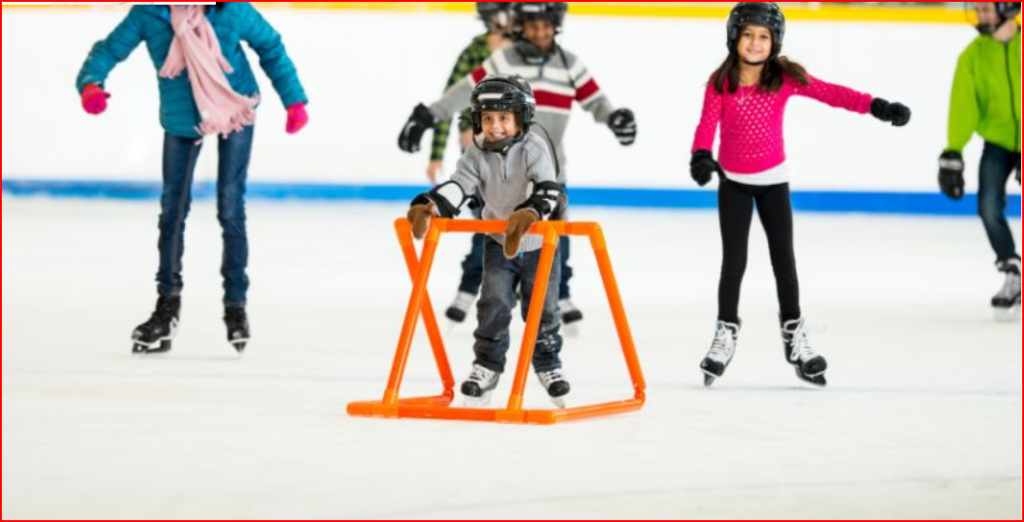
Why Skating Is Beneficial for Children with Special Needs

Every child learns and grows in their own unique way. For children with special needs, movement-based activities play an especially important role in supporting physical development, sensory regulation, and emotional well-being. Among various physical activities, skating stands out as a fun, engaging, and highly therapeutic option. More than just recreation, skating can help children build confidence, improve coordination, and strengthen essential developmental skills in an enjoyable and motivating environment. Understanding Movement Needs in Children with Special Needs Many children with special needs — including those with developmental delays, sensory processing challenges, autism spectrum conditions, ADHD, or low muscle tone — may experience difficulties with: These challenges can sometimes make traditional sports overwhelming. Activities like skating provide structured movement while still feeling like play, making participation easier and more enjoyable. How Skating Supports Development 1. Improves Balance and Body Awareness Skating requires children to adjust their posture and maintain stability while moving. This strengthens the vestibular system (balance) and proprioceptive system (body awareness). Regular practice helps children: 2. Encourages Sensory Regulation Many children with special needs either seek or avoid sensory input. Skating provides rhythmic, predictable movement that helps regulate the nervous system. This can lead to: 3. Strengthens Muscles and Motor Skills The continuous motion involved in skating activates multiple muscle groups, especially the legs and core. Benefits include: 4. Enhances Focus and Attention Movement stimulates brain activity. As children learn to balance, steer, and stop, they practice concentration and problem-solving skills. Parents and educators often observe: 5. Builds Confidence and Independence For children with special needs, achieving physical milestones can be incredibly empowering. Each skating success — standing independently, gliding forward, or turning — boosts self-esteem. Children begin to: Skating as Part of Therapeutic Support Many developmental programs now include movement-based activities to complement therapy goals. Professionals at Omega Center For People With Disabilities recognize that activities like skating can support sensory integration, motor development, and social participation while allowing children to experience joy through movement. Tips for Parents and Caregivers To ensure a positive experience: The goal is enjoyment and gradual improvement — not perfection. Signs Skating Is Helping Your Child You may notice: Progress may be gradual, but consistent practice often brings meaningful changes. Final Thoughts For children with special needs, movement is more than exercise — it is a pathway to learning, confidence, and independence. Skating combines therapy and play in a way that feels natural and enjoyable for children. By introducing skating in a supportive environment, parents and caregivers can help children develop essential life skills while experiencing the happiness that comes from movement and achievement. Because sometimes, the most powerful developmental progress begins with a simple glide forward.

Supporting-Learning-Through-Dance-and-Movement
Play Therapy

A Pattern-Based Floor Movement Game – Fun Dance Activity for Special Children:

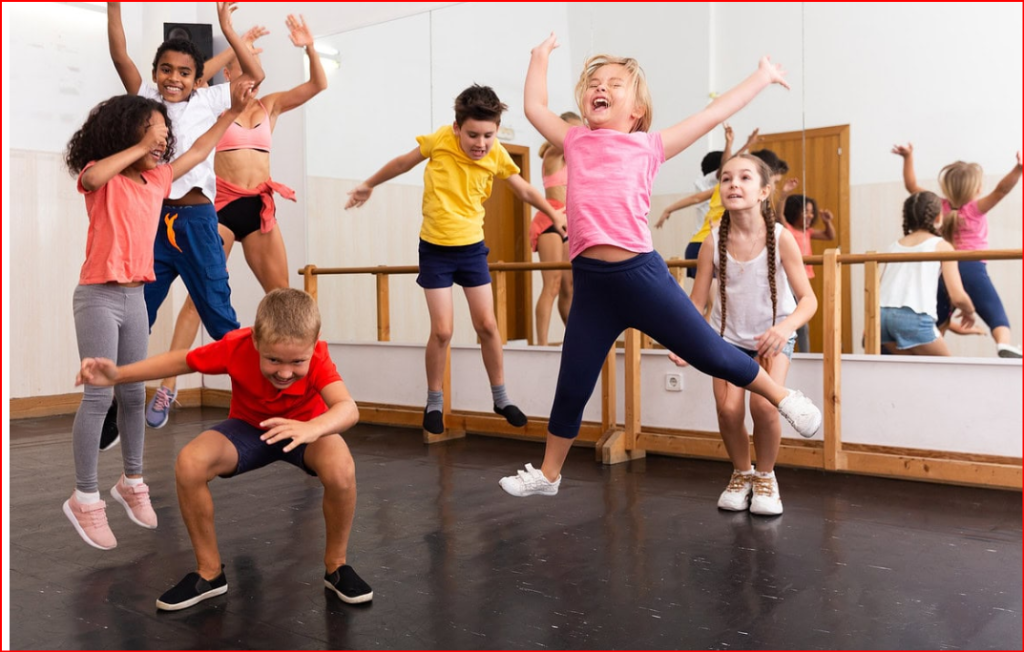
Dance and movement activities that combine music, rhythm, and visual patterns can be extremely beneficial for children with special needs. A pattern-based floor movement game is a fun dance activity that encourages children to move their bodies, follow rhythm, and express themselves through guided dance actions. In this engaging activity, patterns are placed on the floor, and children perform simple dance movements based on the pattern they step on while music plays. This playful dance game supports motor development, sensory processing, rhythm awareness, focus, and coordination, making learning both joyful and meaningful for special children. Pattern-Based Floor Dance Game A pattern-based floor dance game is a music and movement activity where shapes, colors, or symbols are arranged on the floor, and each pattern represents a specific dance movement. As the music plays, children move from one pattern to another and perform the dance action assigned to that pattern, following the rhythm of the music. Example Dance Pattern Actions  Soft Blue Circle – Jump gently Light Green Square – Clap hands Soft Yellow Star – Turn slowly Lavender Triangle – Step and tap This combination of visual cues, dance movements, and musical rhythm helps children understand instructions more easily while keeping them actively engaged. Benefits of This Dance Activity for Special Children Improves Motor Skills Through Dance Dance movements such as jumping, hopping, clapping, and spinning help develop balance, coordination, and body control. Strengthens Sensory Development The activity combines music, visual patterns, and body movement, helping children improve sensory processing. Builds Rhythm and Listening Skills Children learn to listen to the beat of the music and coordinate their dance movements with it. Boosts Confidence and Expression Dance allows children to express themselves freely, helping build confidence and emotional expression. Encourages Social Interaction Group dance activities encourage children to observe others, imitate movements, and enjoy moving together. How to Set Up the Pattern-Based Dance Activity 1. Prepare Floor Patterns Use simple materials such as: Arrange them on the floor in a dance pathway or movement circle where children can easily step from one pattern to another. 2. Assign Dance Movements to Each Pattern Each floor pattern represents a gentle dance movement that children perform when they step on it. Pattern Dance Action Soft Blue Circle Jump gently Light Green Square Clap hands Soft Yellow Star Turn slowly Lavender Triangle Step and tap These simple movements help children connect visual patterns with rhythmic dance actions, making the activity easy to follow and enjoyable. Adaptations for Children With Limited Mobility For children who may find jumping or spinning difficult, you can use gentle upper-body dance movements, such as: These adaptations ensure that all children can participate comfortably and confidently, regardless of their mobility level. 3. Play Music with a Clear Beat Choose slow, rhythmic music so children can follow the tempo and perform dance movements comfortably. 4. Guide the Children Teachers or therapists should first demonstrate each dance movement. Encourage children to follow the patterns and move freely with the music while providing gentle guidance and positive reinforcement. Creative Dance Variations of the Game Animal Dance Movements  Dog – Walk and wag hands like a dog’s tail  Cat – Walk softly like a cat  Bird – Flap your arms like wings  Elephant – Swing one arm like an elephant trunk Color Dance Game Children perform different dance movements based on colors instead of shapes. Freeze Dance When the music stops, children freeze like statues. This improves listening and body control. Follow the Dance Leader Children copy the teacher’s dance movement when stepping on each pattern. Supporting Learning Through Dance and Movement Dance-based activities are an important part of special education because they help children learn through movement, rhythm, and sensory experiences. These activities encourage creativity, improve physical coordination, and support emotional expression. Programs at Omega Center for People With Disabilities also focus on engaging dance and movement activities that help children build confidence, coordination, and social interaction in a supportive environment. Conclusion The pattern-based floor dance game is a simple yet powerful way to help special children develop motor skills, rhythm awareness, and sensory coordination through music and dance. By combining patterns, rhythm, and easy dance movements, this activity turns learning into a joyful and active experience. With just a few materials and music, teachers, therapists, and parents can create a fun dance environment that keeps children moving, engaged, and excited to learn.

Scroll to Top