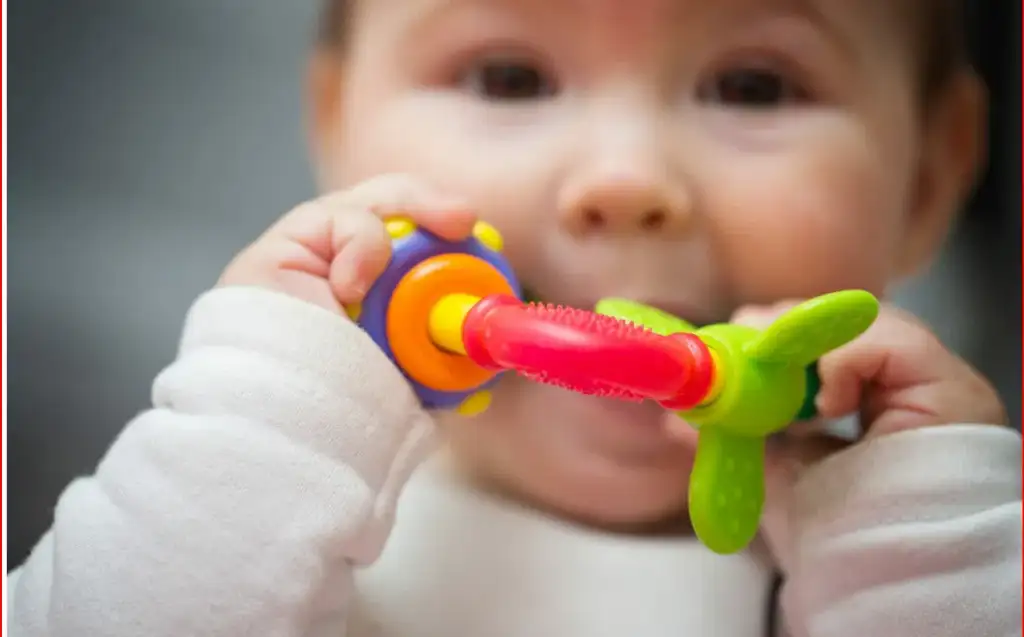
Oral Sensory Guide for Parents of Children with Disabilities
Understanding your child’s eating habits can be challenging—especially when food refusal, constant chewing, or sensitivity to textures becomes part of daily life. These behaviors are often linked to oral sensory processing, which is common in children with disabilities. This guide will help you understand what’s happening and how to support your child effectively. What is oral sensory processing? Oral sensory processing refers to how a child experiences sensations in their mouth—such as taste, texture, temperature, and movement (chewing, biting, sucking). Children with conditions like Autism Spectrum Disorder, Attention Deficit Hyperactivity Disorder, Cerebral Palsy, or Down Syndrome often process these sensations differently. How is it related to children with disabilities? The connection comes down to how the brain and body handle sensory input. 1. Sensory processing differences Some children feel sensations too intensely, while others don’t feel enough. 2. Oral motor challenges In some conditions, muscle control can also be affected. This may lead to: 3. Behavior is a response, not a choice What looks like “picky eating” is often the child reacting to discomfort or trying to regulate their sensory needs. Common signs to look for Sensory sensitive (avoiding) Sensory seeking Practical strategies for parents 1. Keep mealtimes calm 2. Introduce foods gradually Use small, step-by-step changes from familiar foods: 3. Provide safe sensory input For children who seek oral input: 4. Build oral motor skills 5. Make toothbrushing easier 6. Respect your child’s limits When to seek professional help Consider consulting an occupational therapist or speech therapist if: Centers like Omega Center For People With Disabilities provide specialized therapies and guidance that can support both children and parents in managing oral sensory challenges effectively. Final thoughts Oral sensory challenges are not simply “picky eating.” They reflect how a child experiences sensations and interacts with their environment. With patience, understanding, and the right support, children can gradually build comfort with food, improve their skills, and develop healthier eating habits over time.