speech therapy

speech-therapy-image-2
speech therapy

The Role of Speech Therapy in Early Childhood Intervention

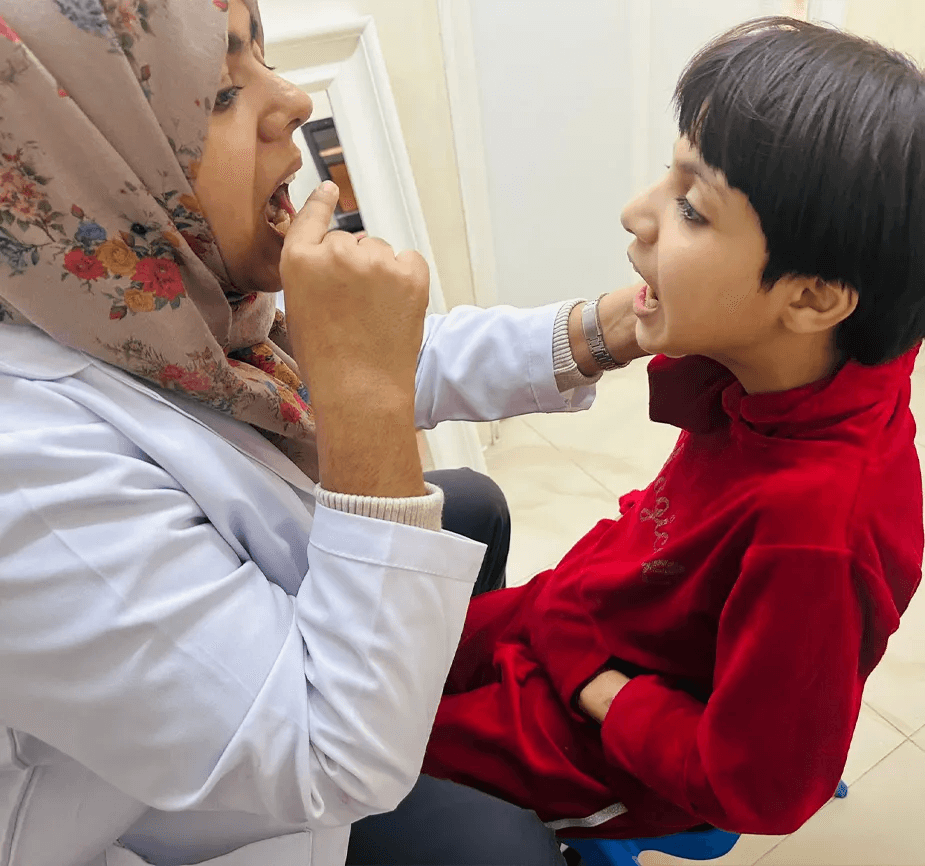
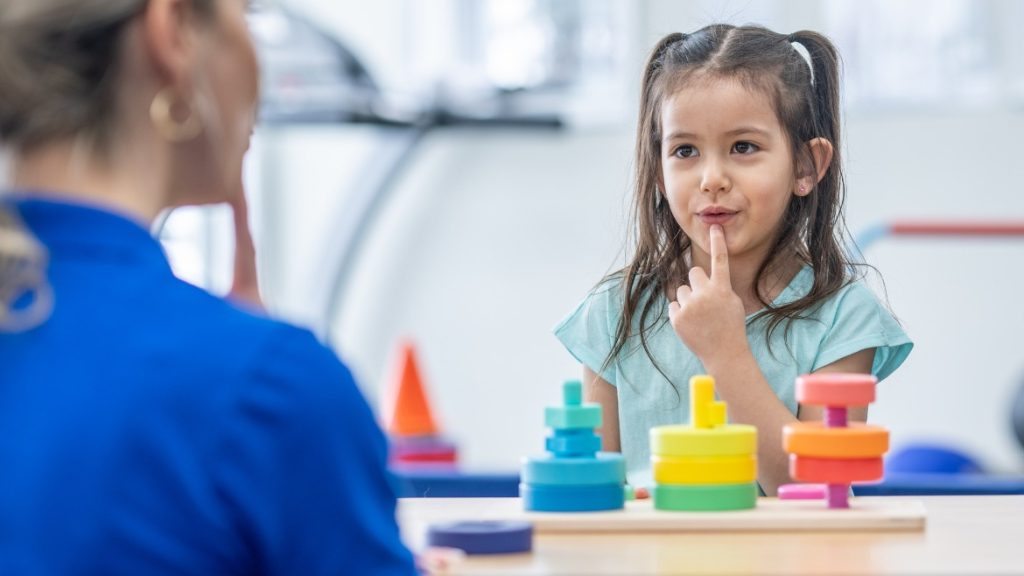
October 18, 2023 Speech therapy, a fundamental aspect of special education, is crucial in early childhood intervention. This one-on-one therapeutic approach better equips children to overcome speech and language disorders, improving their communication ability and promoting overall development. The Basics: What Is Speech Therapy Speech therapy treats communication disorders that affect both adults and children. However, its impact can be particularly significant when intervention begins during early childhood. According to the American Speech-Language-Hearing Association (ASHA), speech therapy can support children with a broad range of communication difficulties, including articulation disorders, language difficulties, and challenges with non-verbal communication. Furthermore, early speech therapy can help children develop clearer communication skills and participate more confidently in everyday activities. By taking action at the earliest signs of a communication difficulty, parents and caregivers can help improve a child’s ability to communicate, learn, and interact with peers. In addition, the National Institute on Deafness and Other Communication Disorders (NIDCD) emphasizes that identifying and addressing communication disorders early may help prevent or reduce their potential impact. Therefore, early intervention can play an important role in supporting a child’s communication development and overall participation. The Impact of Speech Therapy on Language and Communication Development Speech therapy enhances language and communication skills in children. Such therapy provides developing children with the tools they need to express themselves more clearly, benefiting their core cognitive, social, and emotional development. As per the Journal of Pediatrics, children with special education needs who underwent early speech therapy exhibited noticeable improvement in their linguistic skills relative to those without such intervention. It mirrors the process of acquiring any skill – the earlier we intervene and the more we reinforce, the more proficient the child becomes. The gains made through therapy can contribute to better academic outcomes and social interactions, thereby elevating your child’s self-confidence and living standards. Practical Tips: How Parents Can Implement Speech Therapy Techniques at Home Parents play a vital role in their children’s speech and language development. This is as true for children with special needs as those without. As such, we’ve compiled a short list of tips to help you perform one-on-one therapy at home: Conclusion Speech therapy plays a critical role in early childhood intervention. It improves language and communication skills and profoundly impacts overall development. Early one-on-one therapeutic intervention is key, giving every child the opportunity to reach their full potential with the right support.   Whatsapp Facebook-f Linkedin Instagram Youtube
pre-vocational
speech therapy

Modeling Technique in Speech Therapy: How It Supports Children’s Communication

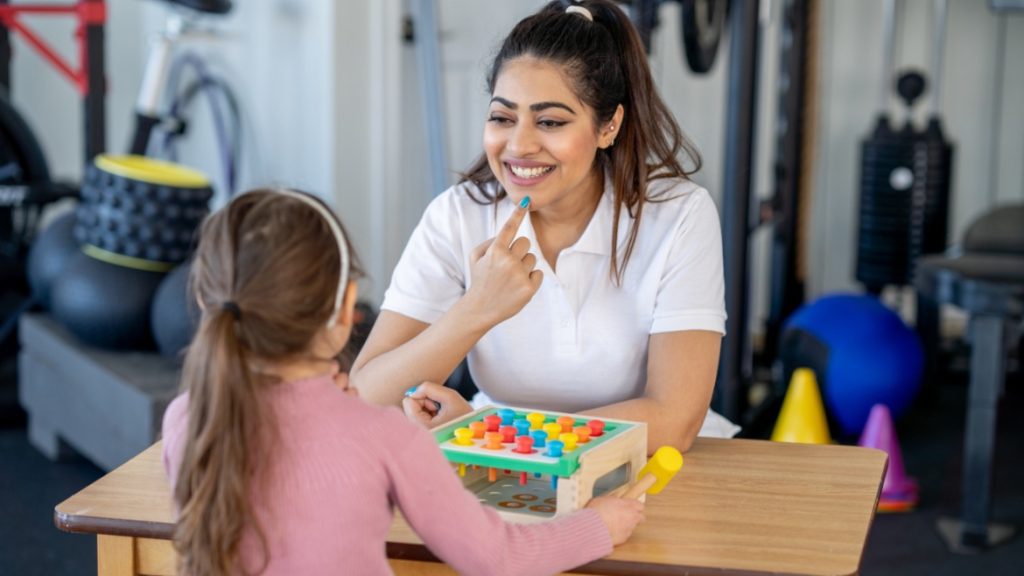
October 21, 2023 Communication is a fundamental aspect of human interaction, and for special needs children, achieving effective communication can be a unique journey. At Omega Center, we are committed to providing specialized speech therapy tailored to the needs of each child. One of the powerful techniques we use is the Modeling Technique. In this blog post, we will explore the Modeling Technique in speech therapy and how it plays a pivotal role in helping special needs kids find their voices and build stronger communication skills. Understanding the Modeling Technique The Modeling Technique is a core component of speech therapy that focuses on providing children with a clear and consistent model for speech and language development. It involves demonstrating and reinforcing proper speech sounds, language patterns, and communication behaviors for children to imitate and learn from. Benefits of the Modeling Technique in Speech Therapy 1. Clear Communication:  Modeling provides a clear and precise example of how speech sounds and language should be produced, helping special needs children grasp the fundamentals of effective communication. 2. Improved Pronunciation: For children with speech sound disorders, the Modeling Technique helps them refine their articulation and pronunciation, allowing them to express themselves more clearly. 3. Language Development: It supports language development by demonstrating correct sentence structures, vocabulary usage, and communication etiquette. 4. Boosted Confidence: As children see and hear modeled speech, they gain confidence in their own ability to communicate effectively, which can significantly improve their self-esteem. 5. Enhanced Social Skills: Modeling aids in teaching social language skills, such as turn-taking, listening, and responding appropriately, which are essential for successful interactions with peers. Using the Modeling Technique at Omega Center Our experienced speech therapists at Omega Center use the Modeling Technique as a key tool in helping special needs children reach their speech and language goals by carrying out the following steps: 1. Assessment: We begin with a thorough assessment to identify a child’s specific speech and language needs and tailor the therapy accordingly. 2. Targeted Goals: We set clear and achievable speech and language goals for each child, ensuring that they are individualized to their unique needs. 3. Modeling and Imitation: During therapy sessions, our therapists provide clear and consistent models of speech and language for children to imitate. This modeling helps children learn proper articulation, vocabulary, and sentence structure. 4. Reinforcement: We reinforce the modeled speech through positive feedback and practice, creating a supportive and encouraging environment for the child to develop their communication skills. 5. Family Involvement: We encourage parents to participate in therapy sessions and learn modeling techniques to continue the progress at home, fostering a consistent and supportive learning environment. Conclusion The Modeling Technique is a powerful tool in the arsenal of speech therapy for special needs children at Omega Center. It provides a structured and effective approach to helping children overcome communication challenges, articulate more clearly, and develop essential language skills. If you have a special needs child who could benefit from the Modeling Technique and our specialized speech therapy programs, we invite you to connect with Omega Center. Together, we can shape the path to improved communication and help your child find their voice, fostering confidence, connection, and success in their communication journey.   Whatsapp Facebook-f Linkedin Instagram Youtube

speech-therapy2
speech therapy

8 Home Activities for Middle Schoolers with Speech Therapy

Speech therapy plays an important role in helping middle schoolers develop stronger communication skills and express themselves with greater confidence. In addition, home activities for middle schoolers in speech therapy can reinforce the skills they learn during professional sessions through enjoyable, everyday practice. Parents and caregivers can use simple, engaging activities at home to support speech, language, social communication, and listening skills. Furthermore, regular practice in a familiar environment can help children apply their communication skills in real-life situations. In this blog, we explore practical and fun home activities for middle schoolers in speech therapy that families can easily incorporate into their daily routines. Why Home Speech Therapy Activities Matter Speech therapy at home can reinforce the skills learned in therapy sessions. It provides a relaxed environment where children feel more comfortable practicing their skills. Plus, it allows for consistent practice, which is key to improvement. Fun and Effective Speech Therapy Activities Here are some engaging activities that can be done at home to help middle schoolers with their speech therapy: 1. Storytelling Time Enhances vocabulary, sentence structure, and expressive language skills. How to Do It: Encourage your child to tell stories using picture books or story prompts. Ask open-ended questions to encourage detailed responses. 2. Word Games Improves articulation, phonological awareness, and language comprehension. Examples: 3. Tongue Twisters Strengthens articulation and speech clarity. How to Do It: Practice saying fun tongue twisters together. Start slow and gradually increase speed. Example: “She sells sea shells by the sea shore” 4. Reading Aloud Improves fluency, pronunciation, and comprehension. How to Do It: Select books at an appropriate reading level and take turns reading aloud. Discuss the story and ask questions to ensure understanding. 5. Role-Playing Games Enhances conversational skills, social interactions, and language use in context. How to Do It: Create scenarios for role-playing, such as ordering food at a restaurant or having a conversation with a friend. Use props and costumes to make it more engaging. 6. Articulation Apps Provides interactive and personalized practice. Examples: 7. Sound Sorting Activities Helps with phonological awareness and sound differentiation. How to Do It: Use picture cards to sort words by their initial sounds. For example, sort pictures of “cat,” “car,” and “cup” under the “C” sound. 8. Daily Conversation Practice Trains practical communication skills. How to Do It: Engage your child in daily conversations about their day, interests, and hobbies. Encourage them to use complete sentences and new vocabulary words. Using Visual Aids Visual aids can complement speech therapy activities and make them more effective. Consider using: Conclusion Incorporating these home activities into your routine can significantly benefit middle schoolers undergoing speech therapy. By making practice fun and engaging, you can help your child improve their speech and language skills effectively.  For more information on speech therapy resources, consider consulting with a speech-language pathologist. They can provide personalized guidance and recommend specific activities tailored to your child’s needs. If you need further support or specialized programs, consider reaching out to our team at Omega Center For Special Needs Education. We offer expert services, programs, and resources to help children with speech and language challenges reach their full potential.   Whatsapp Facebook-f Linkedin Instagram Youtube

child-speech-therapy-7
speech therapy

Mastering the “T” Sound: Speech Therapy Tips for Parents

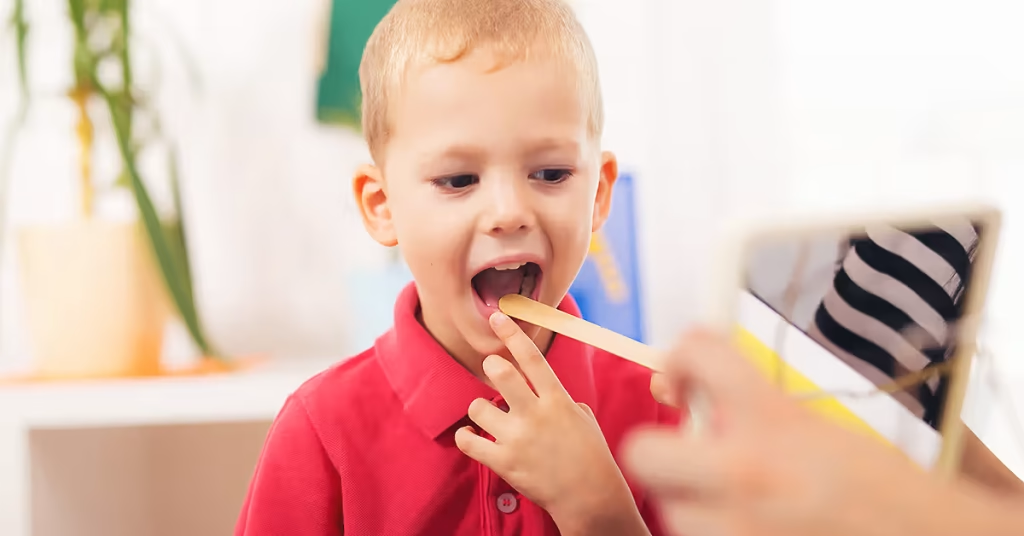
Helping your child master the “T” sound can be a rewarding experience. As a parent, your involvement in speech therapy can significantly impact your child’s progress. This blog will provide practical tips and exercises to make learning the “T” sound fun and engaging for both you and your child. Understanding the “T” Sound The “T” sound, also known as the voiceless alveolar stop, is produced by placing the tongue against the roof of the mouth, just behind the front teeth, and then releasing a burst of air. It’s a fundamental sound in English, appearing in many common words such as “toy,” “cat,” and “water.” Why the “T” Sound Matters Tips for Teaching the “T” Sound 1. Visual Cues Use visual aids to show your child where to place their tongue. You can use a mirror to let them see their mouth movements. 2. Repetition and Practice Repetition is key in speech therapy. Practice the “T” sound with various words, focusing on both the beginning and ending positions in words. Examples: 3. Use Fun Activities Incorporate games and activities to make learning the “T” sound enjoyable. Here are some ideas: 4. Consistent Feedback Provide positive feedback and gentle corrections. Encourage your child by celebrating small victories and progress. 5. Professional Guidance Consult a speech therapist for personalized advice and structured exercises. They can provide specialized techniques tailored to your child’s needs. Common Challenges and Solutions Challenge 1: Tongue Placement Solution: Demonstrate the correct tongue placement using a mirror. Encourage your child to mimic your movements. Challenge 2: Airflow Control Solution: Practice blowing air through a straw or blowing bubbles to help your child understand the concept of controlled airflow. Challenge 3: Consistency Solution: Set aside regular practice times each day. Consistency is crucial for progress in speech therapy. Frequently Asked Questions Q: How long does it take to master the “T” sound? A: The time varies for each child. Regular practice and positive reinforcement can speed up the process. Q: Can I use technology to aid in teaching the “T” sound? A: Yes, there are various apps and online resources designed to support speech therapy. These can be a great supplement to traditional methods. Conclusion Mastering the “T” sound is a significant milestone in your child’s speech development. With patience, practice, and the right techniques, you can make this journey enjoyable and successful. Remember, your support and encouragement play a crucial role in your child’s progress. Additional Resources By incorporating these tips and strategies, you’ll be well on your way to helping your child master the “T” sound. Happy practicing!   Whatsapp Facebook-f Linkedin Instagram Youtube

speech-therapy5
speech therapy

Mastering Abdominal Breathing for Speech Therapy: A Breath of Fresh Air for Kids with Special Needs

Understanding the Importance of Breath Breathing is something we all do, but for children with special needs, mastering effective breathing techniques can be particularly beneficial for speech development. Abdominal breathing, also known as diaphragmatic breathing, is a valuable technique that can enhance vocal clarity, stamina, and overall communication skills. In this blog post, we’ll discuss how speech therapy can use this technique to help children with special needs achieve better communication. To learn more about how professional support can improve a child’s communication abilities, explore our Speech and Language Therapy services. Why Abdominal Breathing Matters Abdominal breathing is particularly beneficial for children with special needs. When kids breathe from their abdomen, they use their diaphragm muscle more effectively, helping address several common challenges. This leads to: Making it Fun: Engaging Activities for Kids Let’s face it, getting kids to do breathing exercises can be a challenge. Here are some fun and engaging ways to introduce abdominal breathing: Tips for Parents and Caregivers Common Challenges and Solutions The Role of Speech Therapy A speech-language pathologist can provide specialized guidance, including: Remember: Every child is unique. What works for one child might not work for another. The key is to find activities that your child enjoys and that help them develop strong breathing habits. With patience, practice, and professional guidance, your child can make significant strides in their speech development. Omega Center for Special Needs Education If you’re looking for professional help with improving your child’s breathing or addressing speech difficulties, consider contacting a speech-language pathologist. Here at Omega Center for Special Needs Education, we have a team of experienced therapists dedicated to helping children of all ages achieve their communication goals. We offer a variety of speech therapy services, designed to address a range of speech and language disorders.

child-speech-therapy
speech therapy

Fluency Goals in Speech Therapy: A Personalized Approach for Special Needs Children

Every child’s speech journey is unique and for special needs children, this is especially true. Fluency goals in speech therapy are designed to help children improve their speech flow, reduce disruptions like stuttering and gain confidence in communicating. In this article, we’ll explore how speech therapists tailor fluency goals specifically for children with special needs, ensuring that therapy is both effective and empowering. What Are Fluency Goals in Speech Therapy? Fluency goals are objectives in speech therapy that focus on improving the smooth and uninterrupted flow of speech. These goals aim to reduce disruptions such as stuttering, hesitations, or repeated sounds, allowing children to communicate more effectively and naturally. For special needs children, fluency goals are personalized, taking into consideration their developmental level, unique communication challenges, and individual interaction style.  Why Personalization Matters for Special Needs Children Children with special needs often have specific communication barriers that require a customized approach. Personalizing fluency goals ensures that therapy addresses their individual difficulties – whether it’s improving speech rhythm, reducing communication anxiety, or helping them feel more comfortable in social interactions. This personalized focus makes therapy more effective and helps children progress at a pace that suits them. Common Fluency Goals in Speech Therapy for Special Needs Children How Parents Can Support Fluency Goals at Home Parents play an essential role in supporting fluency goals outside of therapy sessions. Encouraging relaxed, pressure-free speaking opportunities at home helps reinforce what’s learned in therapy. Simple techniques like speaking slowly, being patient during conversations, and using positive reinforcement can significantly boost a child’s progress. Consistency is Key to Achieving Fluency Goals For special needs children, consistency in speech therapy is crucial. Regular practice, both in therapy sessions and at home, helps ensure that fluency goals are met. Progress may take time, but with consistent support, children can achieve significant improvements in their communication skills. Conclusion Fluency goals in speech therapy go beyond just improving speech flow. For special needs children, these goals are about building confidence, reducing anxiety, and enhancing social communication skills. By taking a personalized approach, speech therapists ensure that each child’s unique challenges are addressed, creating a pathway to clearer, more confident communication. If you’re looking for expert guidance in speech therapy for your special needs child, consider exploring Omega Center For Special Needs Education, where experienced professionals provide customized solutions for your child’s speech therapy needs.   Whatsapp Facebook-f Linkedin Instagram Youtube

speech-therapy
speech therapy

Case Study: Building Confidence Through Speech & Behavior Therapy

Meet Mathieu Meet Mathieu. Mathieu is a nonverbal ASD child who communicates through AAC (Augmentative and Alternative Communication). A bright and energetic child, he initially struggled to follow verbal instructions. His journey at the Omega Center for People with Disabilities has been one of patience, persistence, and growth. Phase 1: The Challenge At the start, Mathieu found it difficult to follow directions without physical prompts. Simple tasks, such as transitioning between activities or responding to requests, required direct physical guidance. Phase 2: The Need for Physical Prompts To help Mathieu engage, caregivers and therapists at Omega Center continued using physical prompts – like guiding his hands or positioning his body – to encourage responsiveness. This was always accompanied by clear verbal communication as well. While the physical prompts were effective, the goal was to help him transition toward independence in understanding and following verbal instructions. Phase 3: The Right Approach With a combination of personalized speech and behavior therapy, structured routines, and reinforcement techniques, Mathieu began making steady progress. The Omega Center team, along with his supportive parents at home, worked consistently to create an environment where he felt comfortable, engaged, and motivated. Phase 4: Significant Improvement Through targeted interventions, tools, and activities, Mathieu gradually relied less on physical prompts and responded more to verbal prompting.  A key factor in his progress was early diagnosis and intervention, consistent therapy, educational support, the use of AAC, and, ultimately, the involvement and support of his parents, all of which contributed to his steady improvement. His ability to follow verbal instructions drastically improved, showcasing his growing confidence and communication skills. Phase 5: The Result – Independence in Following Instructions Today, Mathieu follows verbal instructions without needing physical prompting. AAC has been a game-changer in his journey, allowing him to connect with others and navigate the world more independently.  We’re So Proud of You, Mathieu!  His journey at Omega Center serves as an inspiring example of how the right support system, patience, and persistence – combined with the power of AAC – can lead to remarkable progress.

speech_language-therapy
speech therapy

Common Signs of Developmental Delays in Speech and Language for Kids- Ages 12 Months to 5 yrs

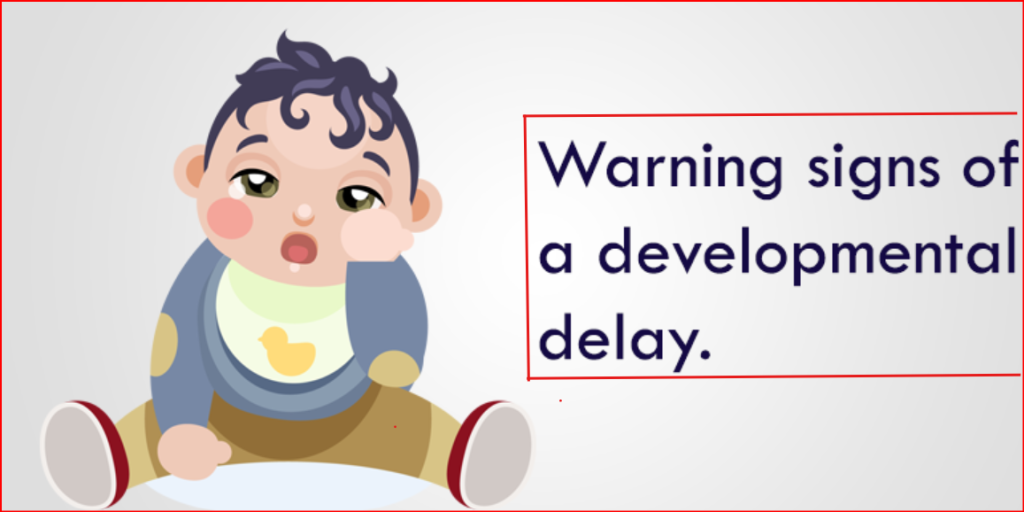
Every child grows and learns at their own pace. Some children start talking early, while others take a little longer to express themselves. However, if your child is significantly behind in reaching speech and language milestones, it may be a sign of a developmental delay. Understanding these signs early can make a big difference, as early intervention helps children build strong communication skills. What Are Speech and Language Delays? While these terms often overlap, they are not the same. A child may struggle with speech but still understand language well—or vice versa. Common Signs of Speech and Language Delays By Age 12 Months By Age 18 Months By Age 2 Years By Age 3 Years By Age 4–5 Years Red Flags to Watch in Kids for Developmental Delays What Parents Can Do When to Seek Professional Help If your child is not meeting milestones or you feel something isn’t right, consult: If you’re in Qatar and concerned about your child’s speech and language development, you can explore Omega Center for Special Needs for assessments, therapy, and early intervention programs. Final Thoughts Every child develops differently, but being aware of signs of speech and language delays can help you act early. If you notice persistent challenges, don’t wait—seeking guidance and support can help your child thrive in communication and learning.

Scroll to Top