Sensory Integration Therapy (SI)
Improving Sensory Processing and Daily Functioning
Sensory Integration Therapy is based on the understanding that children with special needs may be either over-stimulated or under-stimulated by their environment. Therefore, it aims to improve the brain’s ability to process and respond appropriately to sensory information, helping children function more effectively in their daily activities. Through structured activities involving touch, smell, taste, sight, hearing, movement, and balance, therapists help children integrate sensory information and develop more appropriate responses.
As part of this individualized approach, Feedback Assisted Therapy (FAT) may also be incorporated to provide guided feedback that supports motor planning, coordination, body awareness, engagement, and functional skills. The therapy may also help address challenges related to attention, play, emotional regulation, and repetitive behaviors, supporting children in participating more successfully in everyday activities.

Therapeutic tools can be physical in nature, such as trampoline or pedaling a bicycle, or mental in nature, such as participation or skill challenges.
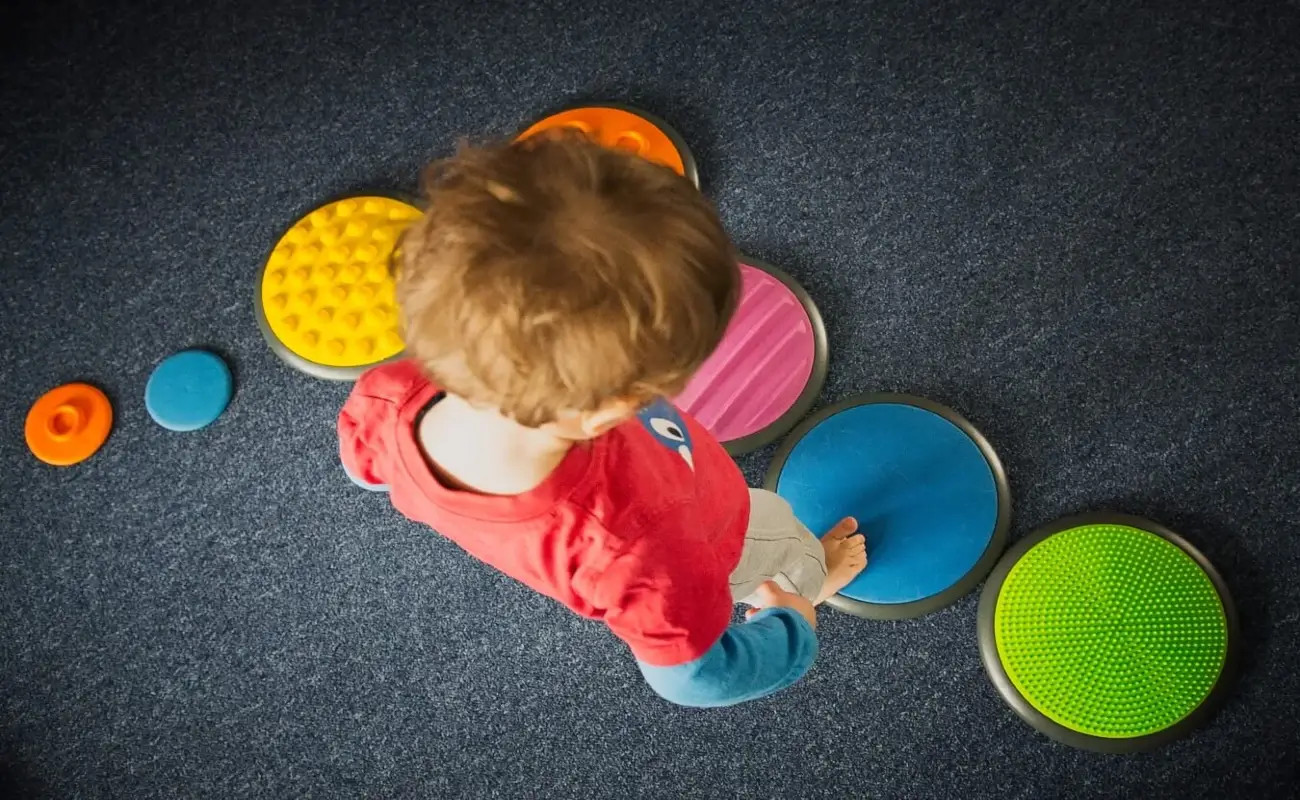
Sensory integration uses two types of tools
- Assessment tools used to measure someone’s sensory integration
- Therapeutic tools used to improve symptoms of sensory dysfunction
What happens during sensory integration is that trained occupational therapists aim to help people improve their sensory symptoms by using various therapeutic tools in a clinical setting, with the goal of:
- Stimulating the senses through sensory input
- Challenging fine and gross motor planning
- Encouraging movement of the body
- Developing new adaptive behaviors and responses
Omega Center For People with Disabilities
Building No، Opp. Al Ahli Sports Club، Nuaija, Zone 44, Street 940، 36 Bilal Bin Rabah St, Doha, Qatar
Services
Contact Info
Building No، Opp. Al Ahli Sports Club، Nuaija, Zone 44, Street 940، 36 Bilal Bin Rabah St, Doha, Qatar
- Phone: +974 3369 5823
- +974 4451 3210
- +974 5563 9713
- E-mail: info@omegaqatar.org
- Website: https://omegaqatar.org
© Copyright 2026 Omega Center. Designed by henoktec