August 14, 2026

learn-image
Learning

Fun Move-to-Beat Activities with Floor Patterns

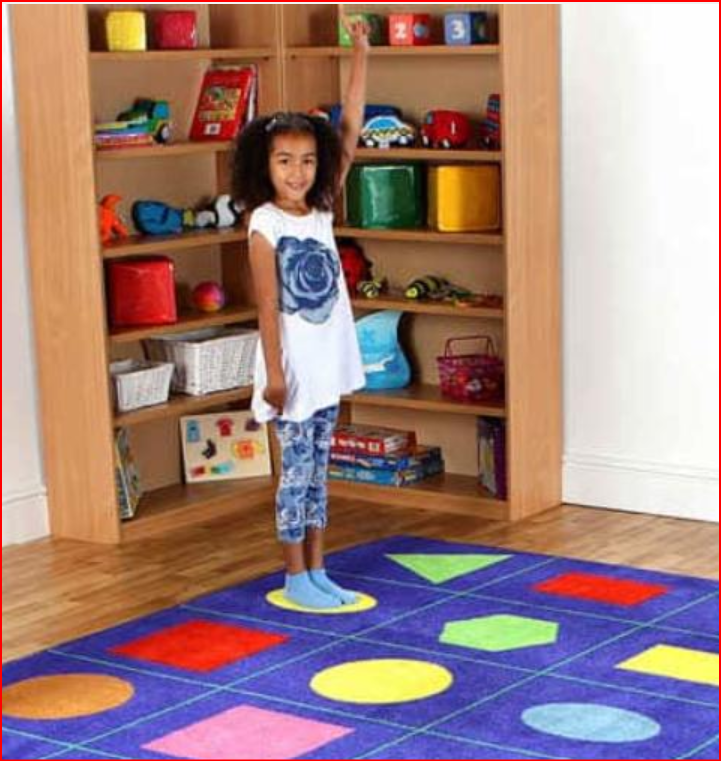
Children learn best when play, rhythm, and movement come together. The Move-to-Beat Floor Pattern Activity is a fun and creative way to keep kids active while developing coordination, focus, and confidence. By following colorful designs on the floor and moving to music, children engage in rhythm, structure, and play in a way that feels natural and enjoyable. How the Activity Works Step1: Create the Floor Patterns Step 2: Add Music or a Beat Step3: Do the Movements Step 4: Repeat and Mix Other Fun Variations Benefits for Children with Disabilities Why It Matters Floor pattern activities are more than games—they’re a fun learning tool. By linking shapes and beats with actions, children explore movement in a structured yet playful way. Every clap, hop, or spin turns into progress, whether it’s building skills, strengthening the body, or simply enjoying the moment. At the Omega Center for People with Disabilities, activities like these are part of everyday learning. They bring joy, encourage participation, and help each child discover what they can achieve.

orange-image
Learning

Orange Day Celebration at Omega Center for People with Disabilities

Orange Day Celebration at Omega Center for People with Disabilities At Omega Center for People with Disabilities, every special day is a chance to spread joy, encourage learning, and create happy memories. On September 30th, our students and staff celebrated Orange Day, filling the school with smiles, energy, and bright shades of orange. The Meaning of Orange Day The color orange stands for energy, enthusiasm, and warmth. For our students, celebrating Orange Day was a way to experience these feelings in a fun and creative environment. Celebrations at Omega Center The day was marked with exciting activities that brought cheer to everyone: Why Days Like This Matter Special celebrations help our students learn in new and joyful ways. Orange Day encouraged confidence, creativity, and interaction, showing that learning can be both educational and fun. Looking Ahead Orange Day on September 30th was a wonderful success at Omega Center for People with Disabilities. It reminded us that simple celebrations can bring lasting happiness filled with laughter, creativity, and even a glass of freshly squeezed juice—can bring lasting happiness.. We are excited to continue creating such moments where our students feel encouraged, supported, and proud of their achievements. Orange Day 2025 at Omega Center was a day full of color, excitement, and togetherness—an event our students will remember with joy.

caregiver-image
Learning

Tackling Caregiver Stress for Children With Special Needs: A Practical Guide

Caring for a child with special needs is a journey filled with love, resilience, and deep emotional connections. At the same time, it can place unique physical and mental demands on caregivers. Over time, these pressures can lead to caregiver stress, burnout, or compassion fatigue—conditions that affect not only the caregiver’s health but also the well-being of the child. This guide blends real-life insights, strategies, and expert-informed recommendations to help caregivers navigate stress with confidence and clarity. Understanding Caregiver Stress: What Makes It Different? Caregiver stress among parents and guardians of children with special needs often stems from: Unlike general parenting stress, caregiver stress is chronic, not situational. Recognizing early signs—exhaustion, irritability, disrupted sleep, and frequent illness—is essential to preventing burnout. Real-Life Experience: Why Caregivers Need Support Too Caregivers often prioritize the child’s needs over their own. However, experts note that long-term neglect of self-care diminishes emotional resilience. Many caregivers report feeling “guilty” for needing breaks, yet research shows that caregivers who prioritize their health provide more consistent and compassionate support. In other words: taking care of yourself is part of taking care of your child. Strategies to Reduce Caregiver Stress 1. Build a Structured Routine Children with special needs often thrive on predictability. Structure also helps caregivers: Using visual schedules or digital tools can make routines easier to manage. 2. Create a Reliable Support Network Support doesn’t always have to be professional. It includes: Caregivers who share their experiences report feeling less isolated and more empowered. 3. Practice Mindfulness and Stress-Reduction Techniques Small habits can make a significant difference: Mindfulness supports emotional regulation and clarity, especially during difficult moments. 4. Seek Professional Guidance When Needed Speaking with a therapist or counselor trained in caregiver-related stress can: Therapy is not a sign of weakness—it’s an investment in long-term resilience. 5. Maintain Physical Health Even minimal habits improve energy levels: Creating a Healthy Environment for Both Child and Caregiver A nurturing environment considers: When the environment supports the child effectively, the caregiver experiences less daily strain. Why Community Resources Matter Organizations that specialize in special-needs education, therapies, and caregiver support can provide invaluable help and reduce long-term stress. For example, Omega Center For People With Disabilities offers programs that empower families with education, guidance, and structured care options.  Final Thoughts: You Deserve Care Too Caregiving is an act of love, but it should not come at the cost of your own health and happiness. Building resilience takes time, support, and willingness to prioritize self-care. By applying expert-backed strategies and embracing a supportive community, you can strengthen your ability to care for your child—while protecting your own emotional and physical well-being. Remember: You are not alone, your efforts matter, and your well-being is essential.

swim-image
Learning

Swimming: A Gentle, Confidence-Building Activity for Children with Special Needs

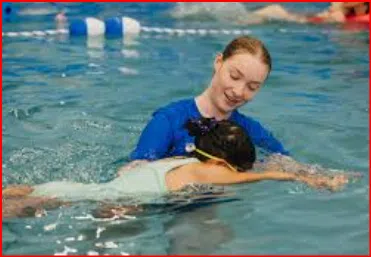
Imagine a calm swimming pool.The water is warm. The lights are soft.A child slowly steps into the pool, feeling the water wrap around their body as an instructor gently says: “Take your time. You’re safe.” For many children with special needs, swimming offers something truly special — a sense of freedom, comfort, and confidence that’s hard to find on land. More than just a physical activity, swimming becomes a powerful therapeutic experience. Why Swimming Is So Beneficial for Children with Special Needs Children with autism, ADHD, sensory sensitivities, or developmental delays often struggle with movement, coordination, or anxiety in traditional activities. Water creates a unique environment that supports their bodies and minds in ways few activities can. Here’s how swimming makes a meaningful difference: 1. Water Provides Natural Body Support In the pool, the body feels lighter. Water reduces the impact on joints and muscles, allowing children to move more freely without fear of falling or getting hurt. This natural support is especially helpful for children with low muscle tone, motor delays, or physical challenges. They can practice movements that may feel difficult on land — building strength and confidence at their own pace. 2. Swimming Encourages Calm Through Repetition The rhythmic nature of swimming — gentle kicking, arm movements, and floating — has a soothing effect on the nervous system. Repetitive motion helps children feel more organized and relaxed, especially those who experience sensory overload or anxiety. Over time, this calming effect can help children feel more at ease, both in and out of the water. 3. It Builds Trust and Emotional Security Swimming lessons for special needs children focus on trust first — trust in the instructor, the environment, and their own abilities. With consistent routines and patient guidance, children learn that the pool is a safe space. As trust grows, fear decreases. Small successes — like floating independently or blowing bubbles — can have a huge emotional impact, boosting self-esteem and courage. 4. Swimming Improves Coordination and Strength Moving through water naturally strengthens muscles and improves coordination without putting pressure on the body. Swimming engages the arms, legs, and core all at once, helping children develop better overall body control. This full-body engagement supports motor planning and bilateral coordination — skills that are essential for everyday activities like walking, dressing, and playing. 5. It Supports Sensory Exploration in a Controlled Way Water offers consistent, predictable sensory input. For many children, this deep pressure and resistance can feel regulating and comforting. A well-structured swim session allows children to explore these sensations in a safe, controlled environment, helping them become more comfortable with sensory experiences over time. Creating a Safe and Supportive Swimming Environment For swimming to be effective and enjoyable, the setting matters just as much as the activity itself. Helpful considerations include: These thoughtful adjustments help children feel secure and ready to participate. Final Thoughts: Swimming Builds More Than Physical Skills For children with special needs, swimming is more than learning strokes — it’s about learning trust, confidence, and independence. Through water-based movement, children can: Whether practiced at a therapy center, school, or recreational facility, swimming offers children a chance to grow — emotionally, physically, and socially. Swimming is thoughtfully designed to meet each child where they are. Along with our other specialized programs, our swim sessions help children feel safer, stronger, and more confident in their abilities. If you’d like to learn how swimming can support your child’s development, we invite you to explore our programs at Omega Center for Special Needs. Let’s help every child discover their strength — one splash at a time.

practical-life-skills-every-child-should-learn-image
Learning

How Checklist-Based Activities Build Independence and Workplace Skills for Children with Disabilities

Developing independence and workplace readiness skills is an important part of helping children with disabilities prepare for future educational, social, and employment opportunities. One effective way to support this growth is through checklist-based activities, which provide clear, structured guidance for completing tasks step by step. Whether used in classrooms, therapy settings, vocational programs, or at home, checklists can help children build confidence, improve task completion, and strengthen essential life and work skills. What Are Checklist-Based Activities? Checklist-based activities involve providing a written, visual, or picture-supported list of steps required to complete a task. As children finish each step, they can check it off, helping them track progress and stay focused on the activity. Examples of checklist-based tasks include: These activities encourage children to work systematically while developing skills that can be applied in educational, community, and workplace settings. Why Checklists Are Effective for Children with Disabilities Many children benefit from clear structure and predictable routines. Checklists break larger tasks into manageable steps, making activities easier to understand and complete independently. Benefits of Checklist-Based Learning By providing visual and written guidance, checklists help children focus on what needs to be done rather than relying solely on verbal instructions. How Checklists Support Independence One of the primary goals of pre-vocational skills training is helping children develop the ability to complete tasks with less assistance over time. Encouraging Self-Management Checklists allow children to: As children become familiar with checklist routines, they often require fewer reminders from teachers, therapists, or caregivers. Building Decision-Making Skills When following a checklist, children learn to: These skills contribute to greater independence in both daily life and future work environments. Developing Workplace Skills Through Checklist Activities Many workplaces rely on procedures, schedules, and task lists to maintain consistency and productivity. Introducing checklist-based activities at an early stage helps children practice these important workplace habits. 1. Following Instructions Workplace success often depends on the ability to follow directions accurately. Checklists teach children to: These skills can be applied across many different work settings. 2. Improving Attention to Detail Checklists encourage children to focus on each step before moving to the next. Activities may involve: Attention to detail is a valuable skill in educational, vocational, and community environments. 3. Strengthening Organizational Skills Organization is a key component of workplace readiness. Checklist-based activities help children: These skills support greater efficiency and confidence during task completion. 4. Building Responsibility When children are responsible for checking off completed steps, they gain a sense of accountability and ownership. Over time, this can help develop: These qualities are highly valued in educational and employment settings. Examples of Checklist-Based Pre-Vocational Activities Packing and Sorting Tasks Children follow a checklist to: This activity supports sequencing, attention, and task accuracy. Classroom Organization Activities Checklist steps may include: These activities encourage responsibility and organization. Office Simulation Tasks Children may practice: Structured checklists help reinforce workplace routines. Cleaning and Maintenance Activities Examples include: These activities help develop consistency and routine-following skills. Supporting Different Learning Styles Checklist-based activities can be adapted to meet individual learning needs. Visual Checklists Visual supports may include: These formats can make tasks easier to understand and follow. Written Checklists For children with stronger reading skills, written checklists can help improve: Combined Visual and Written Checklists Many programs use both formats together to provide additional support and clarity. The Role of Pre-Vocational Skills Training Pre-vocational skills training focuses on helping children develop practical abilities that support future participation in educational, community, and workplace settings. Checklist-based activities contribute to several important developmental areas, including: These experiences provide opportunities for children to practice skills in structured and meaningful ways. Organizations such as Omega Center For People With Disabilities incorporate structured learning activities that help children develop practical skills, confidence, and greater independence while preparing for future opportunities. Tips for Parents and Educators To maximize the benefits of checklist-based activities: Keep Instructions Simple Use clear, easy-to-follow language and avoid overwhelming children with too many steps at once. Break Tasks into Smaller Steps Smaller steps can make activities more manageable and encourage success. Use Consistent Formats Consistency helps children become familiar with expectations and routines. Celebrate Progress Recognizing effort and accomplishments can increase motivation and confidence. Gradually Encourage Independence As children gain confidence, provide opportunities to complete tasks with reduced assistance. Long-Term Benefits of Checklist-Based Activities Regular participation in checklist-based activities can contribute to: These foundational skills can support success across educational, social, community, and future employment settings. Frequently Asked Questions What are checklist-based activities? Checklist-based activities use step-by-step instructions that children can follow and mark as completed while performing a task. Why are checklists useful for children with disabilities? Checklists provide structure, improve organization, support independence, and help children complete tasks more confidently. Can checklist activities improve workplace readiness? Yes. Checklist activities help children develop important workplace skills such as following instructions, staying organized, managing tasks, and maintaining responsibility. What types of tasks work well with checklists? Packing, sorting, filing, organizing materials, cleaning routines, inventory tasks, and classroom responsibilities can all be adapted into checklist-based activities. Conclusion Checklist-based activities are a practical and effective way to help children with disabilities build independence, organization, responsibility, and workplace readiness skills. By breaking tasks into manageable steps, checklists provide clear guidance while encouraging children to take ownership of their learning and daily responsibilities. As part of a broader pre-vocational skills training program, these activities can help children develop confidence, strengthen practical abilities, and prepare for future opportunities in educational, community, and workplace environments.

supporting-teen-mental-health-through-therapeutic-education-image
Learning

Supporting Teen Mental Health Through Therapeutic Education

Teen mental health has become a growing concern as adolescents face increasing academic, social, and emotional pressures. Anxiety, depression, behavioral challenges, and difficulties with communication can significantly affect a teenager’s well-being and ability to succeed in school and daily life. While traditional education plays an essential role in academic development, therapeutic education goes a step further by addressing emotional, behavioral, and developmental needs alongside learning. By combining specialized teaching methods with evidence-based therapies, therapeutic education creates a supportive environment where teens can build resilience, improve mental health, and achieve their full potential. What Is Therapeutic Education? Therapeutic education is a personalized approach that integrates education with therapeutic interventions to support students with emotional, behavioral, cognitive, and developmental challenges. Rather than focusing solely on academics, therapeutic education nurtures every aspect of a teen’s growth. Programs often include: This multidisciplinary approach ensures that each teenager receives the support they need both inside and outside the classroom. Why Teen Mental Health Matters Adolescence is a critical stage of emotional and psychological development. During these years, teens experience rapid physical, hormonal, and social changes that can influence their mental health. Common mental health challenges among teenagers include: Without appropriate support, these challenges can impact academic performance, relationships, confidence, and overall quality of life. How Therapeutic Education Supports Teen Mental Health 1. Creates a Safe and Supportive Learning Environment One of the greatest strengths of therapeutic education is its emphasis on creating emotionally safe spaces. Students learn in structured environments where educators and therapists understand their unique needs. This supportive atmosphere helps teens: Feeling emotionally secure encourages better engagement in both learning and therapy. 2. Builds Emotional Regulation Skills Many teenagers struggle to identify and manage overwhelming emotions. Therapeutic education incorporates emotional regulation techniques such as: These tools help teens respond to difficult situations in healthier and more constructive ways. 3. Encourages Social Skill Development Strong social connections are essential for good mental health. Teens experiencing developmental or emotional challenges may find communication and peer interactions difficult. Therapeutic education provides opportunities to develop: Improved social confidence often leads to stronger emotional well-being. 4. Provides Individualized Support Every teenager has unique strengths and challenges. Therapeutic education develops personalized learning and therapy plans based on individual assessments, allowing professionals to address specific emotional, behavioral, and educational goals. Individualized support helps reduce frustration while promoting steady progress. 5. Integrates Professional Therapies A key advantage of therapeutic education is access to multiple therapeutic services under one coordinated approach. These may include: Speech Therapy Supports communication skills, language development, and social interaction. Occupational Therapy Helps improve sensory processing, emotional regulation, daily living skills, and independence. Applied Behavior Analysis (ABA) Uses evidence-based behavioral techniques to encourage positive behaviors while reducing challenging ones. Psychological Counseling Provides emotional support for anxiety, depression, trauma, stress, and self-esteem issues. Working together, these therapies address the underlying factors affecting mental health. 6. Improves Academic Confidence Mental health challenges often interfere with learning. Therapeutic education reduces academic stress by: As students experience success academically, their overall mental health often improves. 7. Strengthens Family Involvement Families play an essential role in supporting teen mental health. Many therapeutic education programs actively involve parents through: When families and educators work together, teens receive consistent support across different environments. Benefits of Therapeutic Education for Teen Mental Health Therapeutic education offers numerous long-term benefits, including: These benefits prepare teenagers for adulthood with stronger emotional and life skills. Signs a Teen May Benefit from Therapeutic Education Parents and caregivers should consider therapeutic education if a teenager experiences: Early intervention can significantly improve long-term outcomes. Choosing the Right Therapeutic Education Program When selecting a therapeutic education program, consider whether it offers: A comprehensive program should address both educational achievement and emotional well-being. The Future of Teen Mental Health Through Therapeutic Education As awareness of adolescent mental health continues to grow, therapeutic education is becoming an increasingly valuable approach for supporting teenagers with diverse needs. By combining education, therapy, emotional support, and family involvement, these programs help teens build resilience, confidence, and lifelong coping skills. Rather than simply addressing challenges, therapeutic education empowers students to strengthen emotional well-being, improve communication, and develop the skills needed to succeed academically, socially, and personally. Conclusion Supporting teen mental health requires more than academic instruction—it requires a personalized approach that addresses each teenager’s emotional, behavioral, and developmental needs. Therapeutic education bridges the gap between learning and mental health care by combining specialized teaching with therapies such as speech therapy, occupational therapy, ABA, and counseling. As more families seek comprehensive support for adolescents, multidisciplinary centers such as Omega Center For People With Disabilities demonstrate how therapeutic education and specialized therapies can work together to promote emotional well-being, communication, independence, and long-term personal growth. With the right guidance and support, teens can build the confidence and life skills they need to navigate challenges and thrive in everyday life.

laughter-image
Laughter Therapy

How to Monitor and Evaluate the Impact of Laughter Therapy on Special Needs Students

Laughter therapy has gained popularity as an innovative approach to enhancing the emotional, social, and academic experiences of special needs students. By integrating laughter into the learning environment, educators and therapists can create a more positive atmosphere that encourages engagement and reduces stress. However, to ensure that laughter therapy is truly beneficial, monitoring and evaluating its impact effectively is essential. In this guide, we’ll explore practical strategies for assessing the effectiveness of laughter therapy on special needs students’ behavior and learning outcomes. Why Monitor and Evaluate Laughter Therapy? Monitoring and evaluating the impact of laughter therapy helps educators and therapists: 1. Set Clear Goals and Objectives Before you begin implementing laughter therapy, establish clear, measurable goals. These could include: Having specific goals will guide your evaluation process and help you determine what metrics to monitor. 2. Use Standardized Assessment Tools Standardized assessment tools can provide objective data on the impact of laughter therapy. Consider using: 3. Collect Baseline Data Before starting laughter therapy, collect baseline data to have a reference point. This could include: Baseline data helps you compare progress over time and measure the true impact of laughter therapy. 4. Observe and Record Sessions During laughter therapy sessions, make detailed observations and recordings: 5. Regularly Review and Analyze Data Consistently reviewing the data collected from assessments and observations will help identify trends and patterns. Create a schedule for data analysis, such as: 6. Adjust and Adapt Therapy Techniques Based on your findings, be ready to adjust your laughter therapy techniques. For example: 7. Share Results with Stakeholders Sharing the results of your evaluations with parents, school administrators, and other stakeholders is crucial for: Conclusion Monitoring and evaluating the impact of laughter therapy on special needs students is essential for ensuring its effectiveness and making necessary adjustments. By setting clear goals, using standardized assessment tools, collecting baseline data, and regularly reviewing progress, educators and therapists can create a laughter therapy program that truly benefits their students. The joy and engagement that laughter brings to the classroom can be a powerful tool in enhancing the educational experiences of special needs students. For those looking to explore more about laughter therapy and other innovative approaches to special education, Omega Center For Special Needs Education offers a range of resources and support tailored to the needs of educators and students alike.

individual-support-image
Individual Support

Your Child Deserves Individual Support: How an IEP Builds Confidence, Growth & Independence

As a parent, you know your child better than anyone else. When your child has special learning needs, it is natural to have questions, concerns, and hopes for their future. An Individualized Education Program (IEP) is designed to support both your child and your family, offering a clear, personalized plan that helps your child learn, grow, and succeed at their own pace. What Is an IEP and Why Is It Important for Your Child? An IEP (Individualized Education Program) is a personalized learning plan created especially for children with special educational needs. It is designed for children who may have: The IEP is developed through collaboration between special educators, therapists, and parents, ensuring that your child receives consistent, well-rounded support at every stage of development. 1. Helping Your Child Grow in Every Way (Holistic Development) Your child’s growth is about more than academics alone. An IEP supports overall development, including emotional, social, communication, and physical skills. Emotional and Social Well-Being IEPs help children: Communication Skills For children who experience speech or language challenges, IEPs may include: This helps your child connect more confidently with family members, teachers, and peers. Physical and Daily Life Skills Occupational and physical therapy may be included to support: 2. Supporting Your Child’s Unique Potential Every child learns differently — and that is perfectly okay. An IEP ensures that: Small successes are recognized and celebrated, helping your child stay motivated and positive about learning. 3. Building Confidence and Independence IEPs help children believe in themselves by: Over time, your child learns to make choices, express needs, and gain confidence in their abilities. 4. Preparing Your Child for the Future An IEP is not just about today — it is about preparing your child for the future. It supports: This approach encourages lifelong learning, adaptability, and independence. 5. How Special Educators Support Your Child Special educators play a vital role in your child’s progress. They: As a parent, you are always an essential part of this team. Conclusion For parents, an IEP offers clarity, reassurance, and hope. It ensures that your child is truly seen, understood, and supported. Through personalized learning, emotional care, and skill development, IEPs help special children grow with confidence, dignity, and purpose. Take the Next Step for Your Child If you feel your child may benefit from personalized learning support, speech therapy, or special education services, you do not have to walk this journey alone. At Omega Center For People With Disabilities, our experienced special educators and therapists work hand in hand with parents to design individualized education plans and help every child reach their fullest potential  Book a consultation today to learn how an IEP can support your child’s growth and confidenceSpeak with our specialists about assessments, therapy, and customized learning programs  Your child’s progress begins with the right support. We are here to help.

language-therapy-image
FSC Connection

Common Communication and Language Challenges in Children: How Therapy Makes a Difference

Communication is one of the most important skills a child develops during the early years of life. It enables children to express their thoughts, understand others, build relationships, and participate in learning. However, some children may experience challenges with speech, language, or communication that make everyday interactions more difficult. Early identification and intervention can significantly improve a child’s communication abilities. Through personalized strategies and evidence-based techniques, speech therapy helps children strengthen their communication skills, build confidence, and participate more effectively in daily activities. Understanding Communication and Language Challenges Although speech and language are often used interchangeably, they refer to different aspects of communication. Some children may experience challenges in one area, while others may have difficulties across multiple aspects of communication. Common Communication and Language Challenges in Children 1. Delayed Language Development Some children develop language skills more slowly than expected for their age. They may have difficulty learning new words, forming sentences, or understanding instructions. Common signs include: Speech therapy helps children strengthen both receptive (understanding) and expressive (speaking) language skills through structured activities and personalized learning techniques. 2. Speech Sound Disorders Children with speech sound disorders may struggle to pronounce certain sounds correctly, making their speech difficult to understand. Examples include: Speech therapists use targeted exercises to improve articulation, pronunciation, and speech clarity. 3. Social Communication Challenges Some children experience difficulty using communication appropriately during social interactions. Challenges may include: Speech therapy incorporates practical activities that help children develop meaningful communication skills for everyday interactions. 4. Receptive Language Difficulties Receptive language refers to understanding spoken language. Children may struggle to: Therapists use engaging activities to strengthen listening, comprehension, and language processing skills. 5. Expressive Language Difficulties Expressive language involves communicating ideas, feelings, and information. Children may experience: Speech therapy encourages language development through structured conversations, storytelling, and vocabulary-building exercises. 6. Fluency Disorders Some children may experience interruptions in the natural flow of speech, commonly known as stuttering. Signs include: Speech therapists teach strategies that improve fluency while helping children communicate with greater confidence. 7. Voice Disorders Voice disorders affect the quality, pitch, or volume of a child’s voice. Possible signs include: Speech therapy identifies contributing factors and provides exercises to promote healthy voice use. Why Early Intervention Matters Communication challenges can affect many areas of a child’s development beyond speech itself. Early intervention can support: Addressing communication concerns early often leads to better long-term outcomes. How Speech Therapy Makes a Difference Speech therapy uses individualized treatment plans based on each child’s strengths, goals, and communication needs. Therapy may include: Language Development Activities Children participate in structured activities that build vocabulary, sentence formation, listening, and comprehension. Articulation Practice Therapists teach children how to correctly produce speech sounds using age-appropriate techniques. Play-Based Learning Interactive games and engaging activities encourage communication naturally and enjoyably. Social Communication Training Children learn practical communication skills for everyday situations, including conversations, turn-taking, and understanding social cues. Parent Involvement Families receive guidance and home strategies that reinforce communication skills outside therapy sessions, supporting consistent progress. Children Who May Benefit from Speech Therapy Speech therapy may be beneficial for children who experience: An early assessment can help determine the most appropriate support based on the child’s individual needs. Supporting Communication at Home Parents and caregivers play an important role in encouraging communication development. Helpful strategies include: Small, consistent interactions can reinforce the skills children learn during therapy. Choosing the Right Speech Therapy Program When selecting a speech therapy provider, consider whether the program offers: Choosing a program that tailors therapy to each child’s communication goals can contribute to meaningful and lasting progress. Conclusion Communication is a vital part of every child’s development, influencing learning, relationships, and emotional well-being. While communication and language challenges can present obstacles, early intervention and personalized speech therapy can make a meaningful difference in helping children build stronger communication skills and greater confidence. Many multidisciplinary therapy centers, including Omega Center For People With Disabilities, provide speech therapy as part of a comprehensive approach to supporting children with developmental needs. By combining professional guidance with family involvement and individualized therapy plans, children can continue developing the communication skills they need to participate more confidently in everyday life

Scroll to Top