August 14, 2026

winter-camp-wonder-image
Children with ASD

Winter Camp Wonders: A Joyful Journey of Fun, Learning, and Togetherness

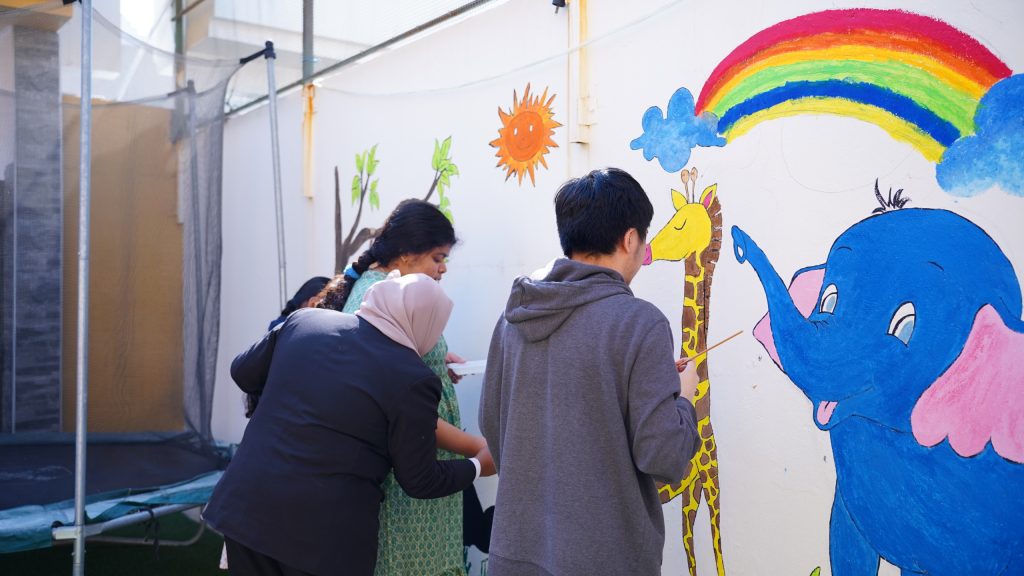
Omega Center for People with Disabilities recently organized a heartwarming Winter Camp, filled with fun activities, sensory-rich experiences, and moments of pure joy. Each day was carefully planned to engage the children in creative, interactive, and skill-building activities. Let’s take a look at the beautiful journey our kids had! Day 1: Fun and Games Kickoff! 🎉 The camp started with an energetic and playful atmosphere as our kids engaged in musical chairs and other interactive games. The day was filled with laughter, excitement, and friendly competition. The preparations by Omega Center ensured a safe and inclusive environment, allowing each child to participate and enjoy the day to the fullest. Day 2: Spreading Joy with Handmade Greeting Cards 🎨💌 Creativity was in the air as our kids made beautiful greeting cards and exchanged them with their friends. This activity encouraged self-expression, social interaction, and fine motor skills development. Seeing their faces light up while giving and receiving cards was truly heartwarming. Day 3: Traditional Day – A Celebration of Culture 👘🕺 On Day 3, the children embraced Traditional Day, where they dressed in cultural attire and performed dances, songs, and other activities. This day was dedicated to celebrating diversity and helping our kids connect with different traditions in a fun and engaging way. Day 4: A Unique Fishing Experience 🎣 One of the most memorable experiences was fishing within our premises! In a sensory-rich environment, the children got to explore, touch, and experience nature while trying their hands at fishing. This activity not only built patience and focus but also provided a soothing and immersive experience. Check our video: https://www.instagram.com/reel/DEhbsHqIjG5/?utm_source=ig_web_copy_link&igsh=MzRlODBiNWFlZA== Day 5: Laughter and Fun with Team GAC 😂🎭 The kids had an absolute blast as Team GAC joined in to spread laughter and joy! With engaging performances, interactive games, and endless smiles, this day was all about pure fun and bonding. The energy and happiness were contagious! Day 6: Crafting Personalized Photo Frames 📸✨ Creativity took center stage as our kids designed their own photo frames. This hands-on activity allowed them to explore textures, shapes, and colors, enhancing their fine motor skills and artistic abilities. Each child took home a beautiful keepsake filled with memories from the camp. Day 7: Muffin Frosting – A Sensory Delight 🧁 Our kids had the sweetest experience as they decorated muffins with colorful frosting. This fun-filled activity engaged multiple sensory systems, including tactile (touch), gustatory (taste), visual, and olfactory (smell). It was a perfect mix of creativity and sensory integration! Day 8: Wall Painting – Capturing the Essence of Winter Camp 🎨🖌️ The final day was a grand celebration, where the children participated in a wall painting activity that beautifully captured the highlights of the 14-day camp. It was incredible to see their reflections of joy, friendships, and learning come to life through art. Day 9: Painting Their Dreams on the Walls 🎨 The children came together for a collaborative wall-painting activity, turning blank walls into a colorful reflection of their camp experiences. This creative endeavor encouraged teamwork, self-expression, and a sense of pride in their environment. Day 10: A Journey Through Space 🚀 Our little explorers set out on an interstellar adventure, learning about planets, stars, and the vast universe in a sensory-friendly way. With interactive displays and creative storytelling, the wonders of space became accessible and exciting for everyone. Day 11: DIY Virtual Reality Experience 🕶️ Technology met imagination as campers engaged in a DIY virtual reality experience. They explored digital landscapes, enhancing their visual-spatial awareness and creativity while being immersed in a whole new world. Day 12: Snowbell the Snowman ☃️ The winter magic continued with a fun-filled snowman-building activity! Campers created their own Snowbell the Snowman, decorating and personalizing their frosty friends while enhancing motor skills and teamwork. Days 13 & 14: Winter Wonderland Extravaganza ❄️✨ The camp wrapped up with a breathtaking Winter Wonderland experience, where children engaged in sensory-rich activities designed to create a magical and festive atmosphere. From snow-themed play areas to twinkling decorations, it was a perfect way to celebrate the season and welcome the new year with joy and warmth. Looking Forward to More Amazing Camps! This Winter Camp was not just about activities—it was about building confidence, friendships, and lasting memories. A huge thank you to our dedicated team, volunteers, and parents for making this camp a wonderful success. Stay tuned for more exciting upcoming camps at Omega Center for People with Disabilities! 
omega-center-pop-up-event-for-parents-image
Children with ASD

Pop-Up Shop for Parents of Children with Special Needs Conducted by Omega Center For People With Disabilities

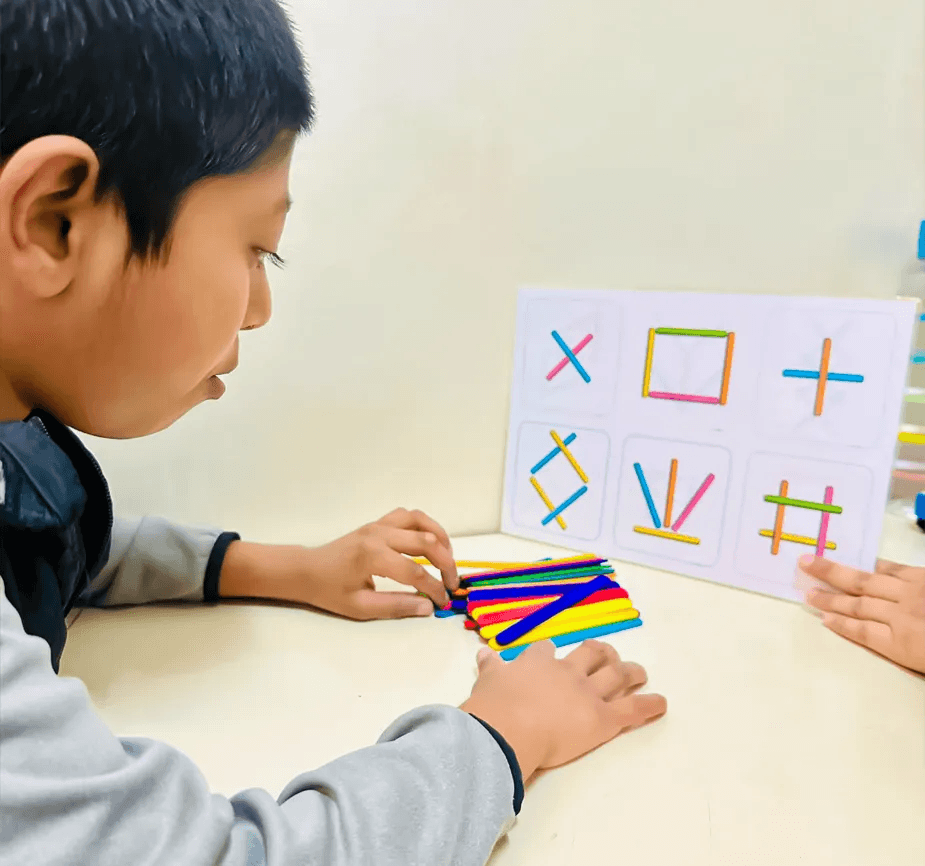
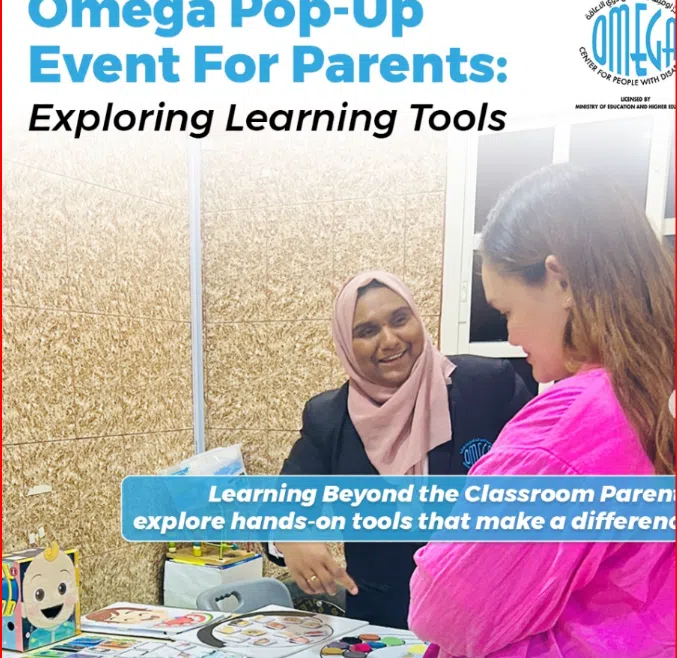
Supporting children with special needs requires collaboration between educators, therapists, and families. With this vision, Omega Center For People With Disabilities successfully conducted a Pop-Up Shop for parents, showcasing a wide range of teaching and learning materials specially designed for children with special needs. The event aimed to provide parents with practical exposure to educational resources that enhance learning, communication, and developmental skills beyond the classroom environment. To give parents and readers a real glimpse of the event experience, Omega Center also shared highlights from the day on Instagram. The post captures the interactive nature of the pop-up shop, showcasing hands-on learning tools, engaging activities, and meaningful parent participation. You can explore the event highlights here:👉 https://www.instagram.com/p/DGvkRWlK0MP/?utm_source=ig_web_copy_link&igsh=MzRlODBiNWFlZA%3D%3D Purpose of the Pop-Up Shop Event The pop-up shop was organized to help parents better understand how specialized teaching materials can support their child’s growth and learning journey. Key Objectives of the Event: By creating an interactive platform, the center ensured parents could experience the materials firsthand rather than simply learning about them theoretically. Teaching Materials Displayed During the event, Omega Center For People With Disabilities displayed various educational tools carefully selected to meet the diverse needs of children with special needs. 1. Sensory Development Materials Sensory learning tools were introduced to help children improve focus, emotional regulation, and sensory processing. Examples included: 2. Communication and Language Development Aids These materials supported expressive and receptive communication skills. Displayed resources included: 3. Fine Motor Skill Development Activities Hands-on materials encouraged coordination and independence. Examples: 4. Cognitive and Academic Learning Materials Interactive tools helped children understand academic concepts through play-based learning. Materials included: Parent Participation and Experience Parents actively engaged with educators during the pop-up shop, gaining valuable insights into how each material supports specific developmental goals. The event allowed parents to: Many parents appreciated the opportunity to explore resources in a supportive and informative environment. Impact of the Event The pop-up shop created a meaningful learning experience for families  Positive Outcomes: Commitment to Education Initiatives  Omega Center For People With Disabilities continues to promote learning by organizing initiatives that empower both children and their families. Events like this pop-up shop highlight the importance of accessible resources and community involvement in special education. Conclusion The successful pop-up shop conducted by Omega Center For People With Disabilities was more than an exhibition—it was a step toward empowering parents with knowledge, resources, and confidence to support children with special needs effectively. By showcasing specialized teaching materials and encouraging active participation, the event strengthened the partnership between families and educators, ultimately benefiting the children’s developmental journey.

autism-and-alexithymia-image
Children with ASD

Understanding Alexithymia in Children with ASD and How to Overcome It

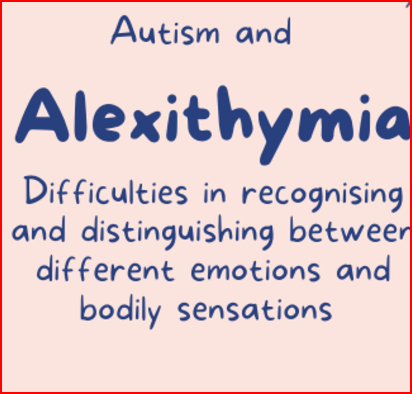
Alexithymia, the difficulty in identifying and verbalizing emotions, is a phenomenon oftenobserved in children with Autism Spectrum Disorder (ASD). These children may struggle toexpress what they feel, leading to frustration, behavioral challenges, and a potential impact onsocial relationships. However, with the right interventions, significant progress can be achieved.Below, we explore how behavioral therapy, speech therapy, and occupational therapy canaddress alexithymia in children with ASD. Behavioral Therapy: Positive Behavioral Support (PBS)Behavioral therapy, particularly Positive Behavioral Support (PBS), is a cornerstone for helpingchildren with alexithymia. PBS focuses on understanding the reasons behind a child’schallenging behaviors and teaching alternative, positive ways to express emotions. Building Emotional Awareness:Therapists work with children to recognize physical cues linked to emotions, such as a racingheart for anxiety or tense muscles for anger. Reinforcing Expression:Through techniques like role-playing or visual aids, children learn to label emotions with wordsor visual symbols. Positive reinforcement is used to encourage repeated success.Encouraging Self-Regulation: PBS helps children develop coping strategies, such as deepbreathing or asking for help, when overwhelmed by their emotions.For example, a child who struggles to express frustration might learn to point to a “frustrated”card on a visual chart instead of acting out. Speech Therapy – Stimulating Communication Skills:Speech therapy can help bridge the gap between emotions and language for children withalexithymia. Speech-language pathologists (SLPs) focus on building functional communicationskills tailored to each child’s needs. Language Development:SLPs use techniques such as modeling, repetition, and games to expand a child’s vocabulary,particularly focusing on emotional words. Using Augmentative and Alternative Communication (AAC):For non-verbal or minimally verbal children, AAC tools like picture exchange communicationsystems (PECS) or speech-generating devices can be invaluable. These tools provide anaccessible way for children to communicate emotions they can’t verbalize. Social Skills Training:Speech therapy often includes group activities where children practice expressing feelings in asafe, structured environment, improving both verbal and non-verbal communication.An example of progress might be a child using a PECS card with a sad face to communicatefeeling upset after a misunderstanding with a peer. Occupational Therapy: Interoception-Based ActivitiesOccupational therapy (OT) plays a vital role in helping children develop interoception—theability to recognize and understand internal body signals linked to emotions. Interoception-focused OT activities foster self-awareness and emotional regulation. Body Awareness Exercises:Activities like yoga, stretching, or deep-pressure techniques help children connect physicalsensations to emotions. For instance, they learn to associate a warm face or clenched fists withanger. Sensory Integration:Therapists use sensory-based activities, such as sensory brushing or weighted blankets, to helpchildren regulate their responses to emotions. These activities also improve self-calmingabilities. Emotion Mapping:Therapists might use tools like emotion thermometers or charts that visually represent how thebody feels during different emotions, enabling children to better understand their internal states. A practical example is a child identifying hunger as the cause of irritability during a therapysession, linking the sensation to the need for a snack. Conclusion:Alexithymia can be a challenging barrier for children with ASD, but with a collaborative andtailored approach, remarkable progress is possible. Behavioral therapy, speech therapy, andoccupational therapy complement each other, addressing both the emotional and physicalaspects of alexithymia. Through these interventions, children can not only learn to identify andexpress their emotions but also develop greater independence and improved socialconnections. Supporting children with alexithymia is a journey, but the outcomes—better communication,emotional regulation, and enhanced relationships—are well worth the effort. By integratingthese therapies into their daily lives, we empower children to navigate their emotions withconfidence

summer-camp-popup-1-image
camp

A Summer to Remember: Fun, Friendship & Growth at Omega Center’s Summer Camp

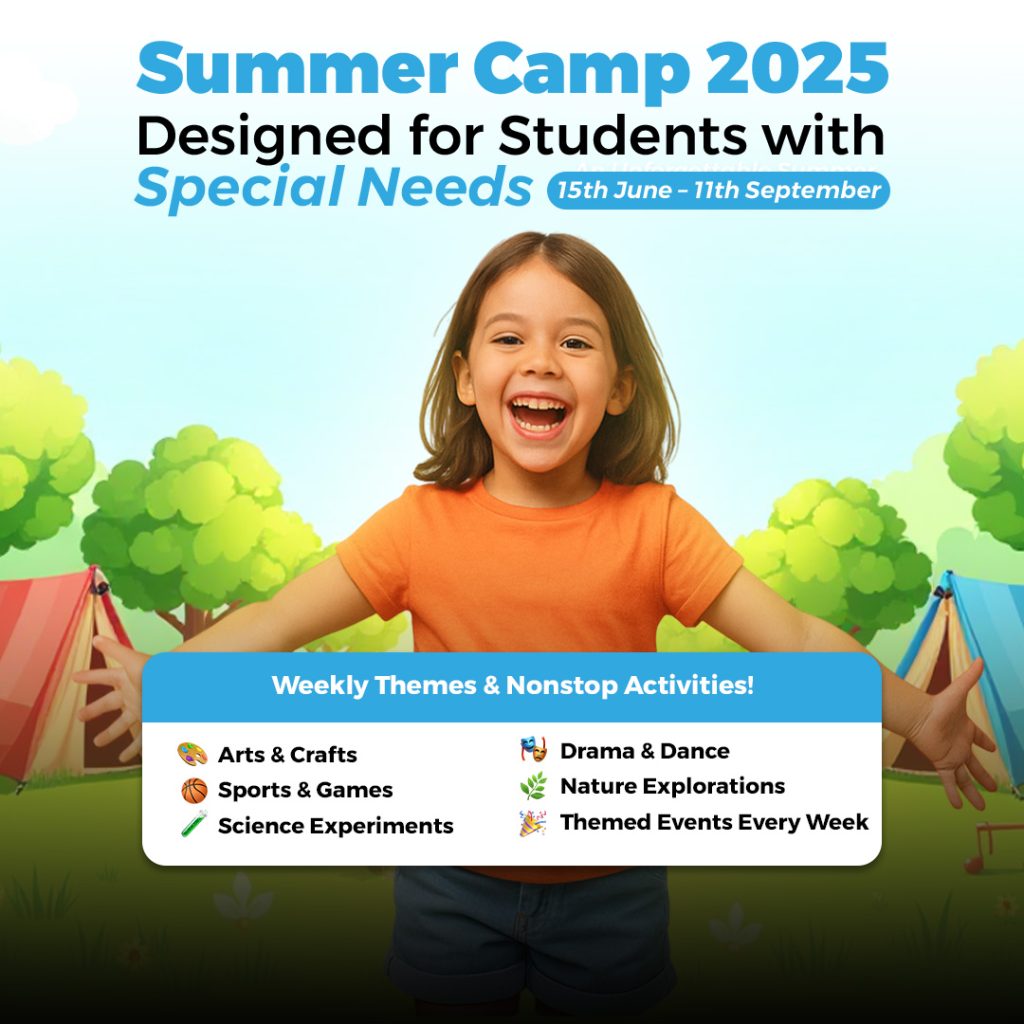
Every child deserves a summer full of laughter, creativity, and new experiences — and that’s exactly what we’re offering at Omega Center for People with Disabilities. From June to September, our Summer Camp welcomes children with learning and development needs to join a season of fun, learning, and friendship in a safe, caring environment. Let Their Creativity Shine Whether it’s painting a masterpiece, cutting and gluing colorful shapes, or crafting something from scratch, our art and craft sessions are designed to help children explore their imagination while building focus and fine motor skills — all while having a blast.  Play, Laugh, Move! Movement is key to healthy development. That’s why we’ve included sports and games that are playful, energizing, and adapted to each child’s abilities. From team games to individual challenges, our goal is simple: make physical activity fun and rewarding.  A Team That Truly Understands Our experienced and compassionate teachers know how to connect with each child and guide them gently through activities. We understand that every child is unique — and we’re here to celebrate their strengths, support their growth, and cheer them on every step of the way. Safety & Comfort Come First As a parent, you want peace of mind. At Omega Center, we take that seriously. Our space is designed with care, and our staff is trained to provide a warm, structured, and secure environment where every child can feel comfortable and confident.  Let’s Talk We know that choosing the right summer camp is a big decision. We’re here to answer your questions, talk through your child’s needs, and help you feel confident in your choice. Quick Camp Info:  Ready to Register? We’ve made it easy — just send us a message on WhatsApp to register your child:📞 +974 5563 9713 This summer, give your child the gift of joy, connection, and personal growth — all in one place. We can’t wait to welcome you and your little one to the Omega family.

behavioral-therapy-image2
Behavioral Therapy

Effective Behavioral Therapy Techniques for Parents to Support Their Children at Home

Behavioral therapy is a widely recognized and effective approach for children facing behavioral challenges or developmental disorders. Its focus on modifying and shaping behavior through positive reinforcement makes it an ideal technique for parents to employ at home. In this article, we will outline step-by-step techniques that parents can use to support their children through behavioral therapy. Set clear and consistent expectations Establishing clear expectations is crucial for children to understand what is expected of them. Clearly communicate rules, boundaries, and consequences, ensuring they are age-appropriate and understandable. It’s important to maintain consistency since it gives kids a feeling of order and predictability. Utilize positive reinforcement One effective strategy for changing behavior is positive reinforcement. Praise and reward your child when they exhibit positive behaviors or meet expectations. This can be as simple as praising them for completing chores or behaving well at school. Rewards can include verbal praise, small treats, or privileges such as extra playtime. Implement a reward system A reward system can be an effective way to motivate children and encourage positive behaviors. Create a chart or visual display where your child can track their progress. Set achievable goals and provide rewards when they reach milestones. This system helps children develop a sense of accomplishment and encourages them to strive for positive behaviors. Use visual cues and schedules Visual cues and schedules are particularly useful for children who struggle with organization and routine. Create visual charts or schedules that outline daily tasks, chores, and activities. This helps children understand expectations and provides them with a sense of structure. Use pictures, symbols, or color coding to make it easier for them to understand and follow. Practice positive communication Effective communication is essential in behavioral therapy. Encourage open and honest conversations with your child, allowing them to express their thoughts and feelings without judgment. Active listening and empathetic responses can help build trust and strengthen your relationship. Teach your child appropriate ways to express themselves and resolve conflicts peacefully. Teach self-regulation techniques Children often struggle with managing their emotions. Teach your child self-regulation techniques such as deep breathing exercises, counting to ten, or taking a break when feeling overwhelmed. Encourage them to identify their emotions and find appropriate ways to cope with them. Modeling these techniques yourself can also be beneficial. Seek professional guidance and support While these techniques can be helpful, it is important to remember that each child is unique. If you find that your child’s behavioral challenges persist or worsen, consider seeking professional guidance from a behavioral therapist or counselor. They can provide tailored strategies and interventions to address your child’s specific needs. Behavioral therapy techniques Behavioral therapy techniques offer parents an effective approach to supporting their children at home. By setting clear expectations, utilizing positive reinforcement, implementing reward systems, and practicing positive communication, parents can help shape their child’s behavior in a positive and constructive manner. Additionally, using visual cues, teaching self-regulation techniques, and seeking professional support when needed can further enhance the effectiveness of behavioral therapy. Remember, patience, consistency, and love are key ingredients in helping your child succeed in their behavioral development.

checklist-behavioral-therapy-image
Behavioral Therapy

Behavior Checklist for Special Education Students: A Comprehensive Guide

Helping Your Child Thrive Raising a child with special needs can be both rewarding and challenging. Behavior checklists are a valuable tool to help you gain a deeper understanding of your child’s behavior, identify potential triggers, and create a more supportive environment. Why Use a Behavior Checklist? Behavior checklists offer a structured way to observe, record, and analyze your child’s actions. This allows you to: Book a behavioral therapy session with us at Omega Key Areas to Observe: Here are some crucial areas to focus on when creating your child’s behavior checklist: Social Interaction Communication Self-Regulation Daily Living Skills Sensory Processing Creating Your Personalized Checklist: Using the Data Effectively: Remember: Behavior checklists are just a tool. By using them consistently and with compassion, you can gain valuable insights into your child’s world and work together to help them thrive. Visit our site, Omega Center For Special Needs Education, now

teaching-tools-image
Behavioral Therapy

Essential Teaching Tools Every Behavioral Therapist Should Use

What Are Teaching Tools in Behavioral Therapy? Teaching tools in behavioral therapy are structured strategies and resources designed to reinforce learning, promote engagement and modify behavior. These tools are tailored to the unique needs of each individual to support cognitive, social, and emotional development. Essential Teaching Tools for Behavioral Therapists 1. Visual Aids and Supports Visual tools are highly effective in reinforcing learning and communication. Some commonly used visual aids include: 2. Reinforcement Systems Positive reinforcement is a cornerstone of behavioral therapy. Tools used for reinforcement include: 3. Applied Behavior Analysis (ABA) Tools ABA therapy utilizes structured techniques to modify behaviors through reinforcement and data collection. Key tools include: 4. Technology-Based Tools Modern technology enhances behavioral therapy through interactive and engaging platforms. Common tools include: 5. Sensory Tools Sensory tools help individuals regulate emotions and improve focus. Common sensory-based interventions include: 6. Social and Play-Based Learning Tools Play is an essential part of behavioral therapy, promoting social skills and communication. Effective play-based tools include: How to Choose the Right Teaching Tools Selecting the right tools depends on the individual’s needs, abilities, and therapy goals. Here are key factors to consider: Frequently Asked Questions (FAQs) 1. What is the most effective teaching tool for non-verbal individuals? The Picture Exchange Communication System (PECS) and AAC devices are widely used to help non-verbal individuals communicate effectively. 2. How do reinforcement systems help in behavioral therapy? Reinforcement systems like token economies and reward charts motivate individuals to engage in positive behaviors by providing tangible rewards. 3. Can technology replace traditional teaching tools? Technology enhances therapy but should be used in combination with traditional methods for a comprehensive approach. Conclusion As a behavioral therapist, having a diverse set of teaching tools is essential for creating an effective and engaging therapy environment. From visual aids to reinforcement systems and sensory tools, these resources help individuals develop critical skills and lead more independent lives. By choosing the right tools, we can ensure personalized and impactful therapy sessions that foster growth and positive change.

autism-training-image
Autism Spectrum Disorder

Identifying Signs and Symptoms of Autism Spectrum Disorder

Autism Spectrum Disorder (ASD) is a developmental condition that affects communication, behavior, and social interaction. Early identification of signs and symptoms is crucial for timely intervention and support. Below, we outline the key indicators across different age groups to help parents and caregivers recognize potential signs of ASD. Age 12 to 18 months During this crucial developmental period, certain behaviors may signal the presence of autism: Age 18 to 24 months As children grow older, additional signs may become apparent: Age 2 to 3 years By the age of 2 to 3 years, certain patterns of behavior may persist or become more pronounced: Conclusion Early recognition of signs and symptoms of Autism Spectrum Disorder is crucial for early intervention and support. Parents and caregivers should consult healthcare professionals if they notice any concerning behaviors in their children. Understanding the developmental milestones and typical behaviors associated with each age group can aid in the timely identification and management of ASD. Do you think your child is displaying some of these signs or symptoms of ASD? Get a professional assessment done at Omega Center For Special Needs Education today by our team of therapists. 

autism-image
Autism Spectrum Disorder

Beyond the Label: Celebrating the Potential of Every Child with Autism

Every child thrives in an environment that celebrates their strengths and offers support for their challenges. This is especially true for children with Autism Spectrum Disorder (ASD). Children on the spectrum experience the world differently, and their success hinges on understanding and embracing this unique perspective. Understanding the Spectrum ASD is a developmental disorder characterized by social communication challenges, restricted interests, and repetitive behaviors. However, it’s important to remember that autism manifests in a wide spectrum. There’s no single definition of “autistic,” and each child will have their own set of strengths and weaknesses. Championing Individuality The key to supporting a child with autism is recognizing their individuality. What works for one child might not work for another. Here are some ways to foster success: Building a Support System Children with ASD benefit from a strong support system that includes parents, teachers, therapists, and even siblings. Here are some ways to build a supportive network: Celebrating Exceptional Potential Children with ASD have unique gifts and talents to share with the world. By providing the right support system and celebrating their individuality, we can empower them to achieve their full potential and thrive in an inclusive world. Omega Center For Special Needs Education If you are looking for exceptional support for your child with ASD, consider Omega Center For Special Needs Education. Located in Doha, Qatar, Omega Center offers a nurturing environment, individualized education programs (IEPs), and a variety of therapies, including speech therapy, occupational therapy, and behavior intervention. Our team of qualified professionals is dedicated to helping children with ASD reach their full potential.

Scroll to Top