August 27, 2026

sensory-2
Sensory Integration

Sensory Integration: A Cornerstone for Special Education Children

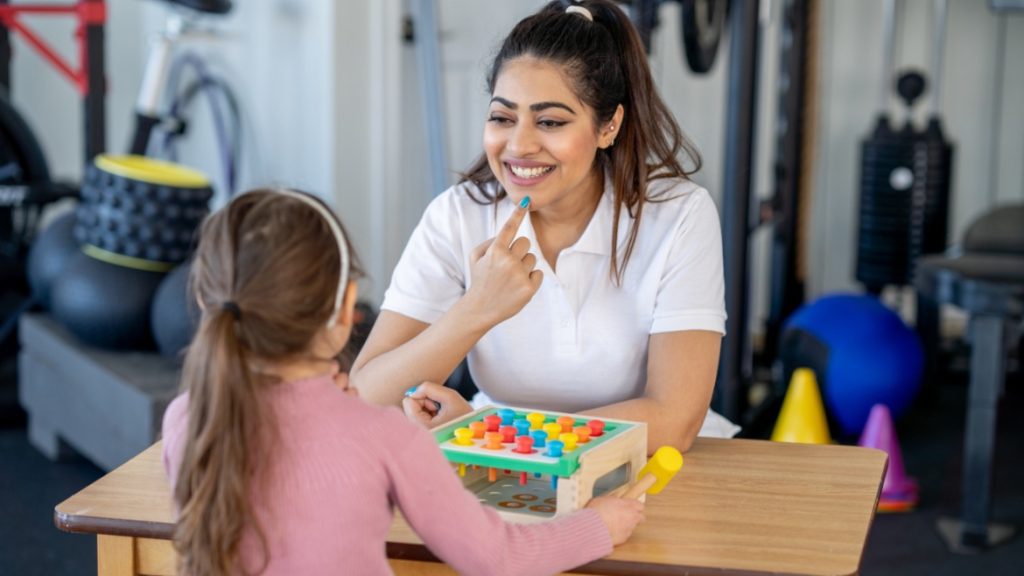
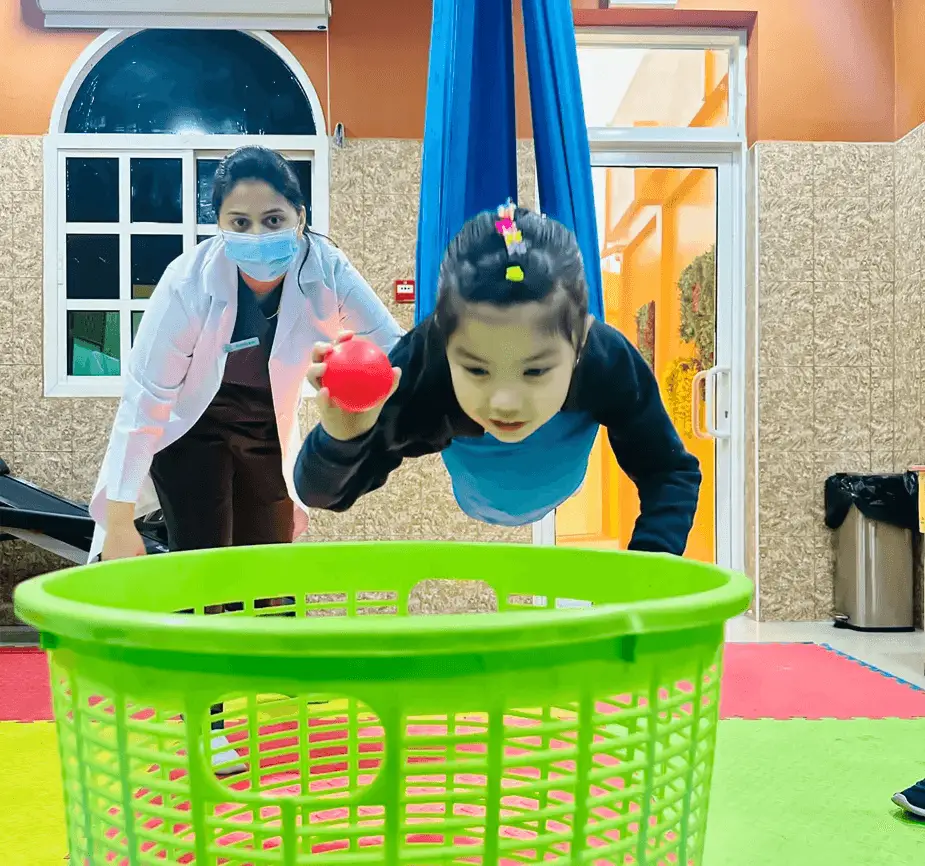
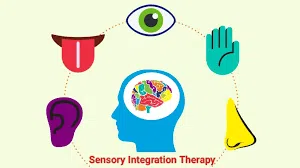
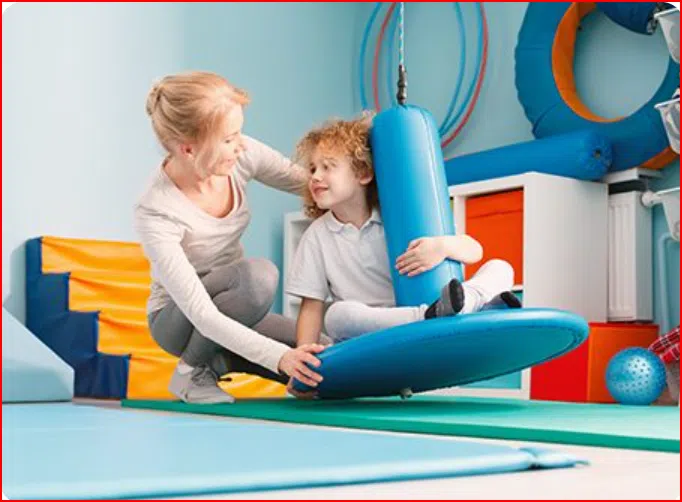
Sensory integration is the brain’s ability to process and organize information from the senses. This complex process underlies everything we do, from learning and playing to interacting with others. For children with special needs, sensory integration challenges can significantly impact their daily lives. Understanding this concept is crucial for parents of special education children. What is Sensory Integration? Our senses are our windows to the world. We use them to gather information about our environment and our bodies. This information is then processed by the brain, helping us to make sense of the world around us. Sensory integration is the brain’s ability to take in this sensory information and use it effectively. Children with sensory processing disorders (SPD) have difficulty processing and responding to sensory input. This can lead to a range of challenges, including: Why is Sensory Integration Important for Special Education Children? Sensory integration is essential for children’s development. It impacts: How Can Parents Help? Understanding your child’s sensory needs is the first step. Here are some tips: The Role of Sensory Integration Therapy Sensory integration therapy is a specialized approach that helps children learn to process sensory information more effectively. It involves providing controlled sensory input in a therapeutic setting. This can help children develop the skills they need to function better at home, school, and in the community. Remember: Every child is unique, and what works for one child may not work for another. Collaborate with your child’s therapist and other professionals to develop a personalized plan. By understanding sensory integration and its impact on your child, you can empower them to overcome challenges and reach their full potential. To learn more about sensory integration therapy and how it can benefit your child, consider contacting professionals like Omega Center For Special Needs Education. We offer specialized services and support for children with sensory processing challenges.

sensory
Sensory Integration

Why Sensory Integration Is Vital for People with Disabilities: Insights from Omega Center

At Omega Center for People with Disabilities, we understand the profound impact sensory integration can have on improving the lives of individuals with disabilities. Sensory integration therapy focuses on helping individuals process and respond appropriately to sensory stimuli, enhancing their ability to engage with the world around them. In this blog, we explore why sensory integration is essential and how it plays a transformative role in fostering independence, emotional well-being, and overall development. What Is Sensory Integration? 1. Enhanced Focus and Attention: Sensory integration therapy supports children with autism in managing sensory overload or under-responsiveness, enabling them to maintain better focus and attention in learning environments.   2. Improved Motor Skills: Activities involving sensory integration often promote physical coordination, enhancing both fine and gross motor skills, such as balance, hand-eye coordination, and handwriting.   3. Greater Independence: As children improve their sensory processing abilities, they become better equipped to perform daily tasks independently.   4. Better Sleep Patterns: Addressing sensory challenges can help children with autism establish more consistent sleep patterns, contributing to improved overall well-being and daytime functionality.   5. Reduced Anxiety and Stress: By teaching children to cope with sensory input, sensory integration therapy can alleviate sensory-related anxiety and stress, leading to better overall mood and behaviour.   6. Improved Communication: With enhanced sensory and emotional regulation, children are better able to express their needs and emotions, whether through verbal or nonverbal communication.   How Omega Center Supports Sensory Integration At Omega Center for People with Disabilities, we are committed to creating a nurturing environment where individuals can thrive. Our sensory integration programs are carefully designed to: Real-Life Impact: Stories from Omega Center Case Study: Building Confidence through Sensory Play One of our students, a child with autism, initially faced challenges with sensory overload in noisy environments due to hypersensitivity to sound. However, through consistent sensory integration training, they were able to reduce this hypersensitivity and process auditory input more effectively. As a result, they demonstrated increased participation in group activities and significant improvement in communication skills. Conclusion Sensory integration is a cornerstone of the care provided at Omega Center for People with Disabilities. By addressing sensory processing challenges, we empower individuals to reach their full potential and lead fulfilling lives. If you or a loved one could benefit from sensory integration therapy, we invite you to connect with our team of specialists. Let Omega Center be your partner in unlocking possibilities and embracing abilities. Contact us today to learn more about our programs and services!

oral-sensory-guide
sensory

Oral Sensory Guide for Parents of Children with Disabilities

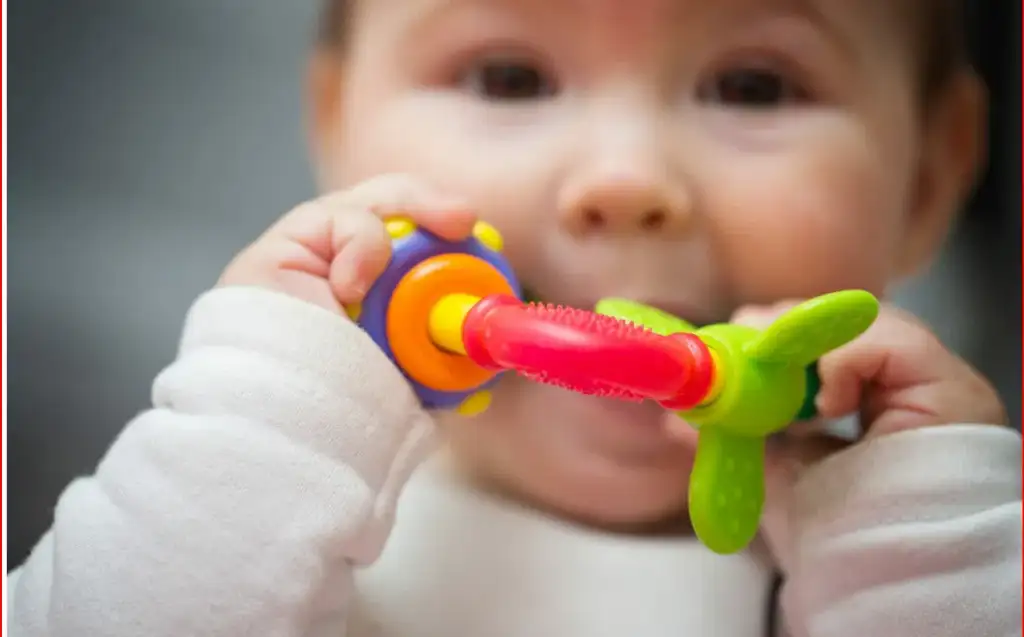
Understanding your child’s eating habits can be challenging—especially when food refusal, constant chewing, or sensitivity to textures becomes part of daily life. These behaviors are often linked to oral sensory processing, which is common in children with disabilities. This guide will help you understand what’s happening and how to support your child effectively. What is oral sensory processing? Oral sensory processing refers to how a child experiences sensations in their mouth—such as taste, texture, temperature, and movement (chewing, biting, sucking). Children with conditions like Autism Spectrum Disorder, Attention Deficit Hyperactivity Disorder, Cerebral Palsy, or Down Syndrome often process these sensations differently. How is it related to children with disabilities? The connection comes down to how the brain and body handle sensory input. 1. Sensory processing differences Some children feel sensations too intensely, while others don’t feel enough. 2. Oral motor challenges In some conditions, muscle control can also be affected. This may lead to: 3. Behavior is a response, not a choice What looks like “picky eating” is often the child reacting to discomfort or trying to regulate their sensory needs. Common signs to look for Sensory sensitive (avoiding) Sensory seeking Practical strategies for parents 1. Keep mealtimes calm 2. Introduce foods gradually Use small, step-by-step changes from familiar foods: 3. Provide safe sensory input For children who seek oral input: 4. Build oral motor skills 5. Make toothbrushing easier 6. Respect your child’s limits  When to seek professional help Consider consulting an occupational therapist or speech therapist if: Centers like Omega Center For People With Disabilities provide specialized therapies and guidance that can support both children and parents in managing oral sensory challenges effectively. Final thoughts Oral sensory challenges are not simply “picky eating.” They reflect how a child experiences sensations and interacts with their environment. With patience, understanding, and the right support, children can gradually build comfort with food, improve their skills, and develop healthier eating habits over time.

pre-vocational
Pre-Vocational

Empowering Special Needs Children for a Brighter Future: Pre-Vocational Service

Every child deserves the opportunity to reach their full potential and contribute meaningfully to society. For children with special needs, this journey may require additional support and guidance. Pre-vocational services play a crucial role in preparing special needs children for the world of work, helping them develop the skills and confidence they need to succeed in their chosen vocations. What are Pre-Vocational Services? Pre-vocational services are a range of programs and activities designed to assist special needs children in acquiring the skills and knowledge necessary to prepare for employment and independent living. These services typically begin in the middle school years and continue through high school or beyond. Benefits of Pre-Vocational Services Pre-vocational services provide numerous benefits for special needs children, including: Types of Pre-Vocational Services Pre-vocational services encompass a variety of programs and activities, tailored to the specific needs and interests of each child. These may include: Conclusion Pre-vocational services play a vital role in empowering special needs children to achieve their employment aspirations and lead fulfilling, independent lives. By providing comprehensive support and guidance, these services help children develop the skills, knowledge, and confidence they need to navigate the world of work and contribute meaningfully to society.

time
Pre-Vocational

Developing Time Management Skills: Essential for Vocational Success

In the dynamic world we live in, time management isn’t just a skill; it’s a key factor in helping children with special needs navigate their daily routines and prepare for future success. Whether your child is neurodiverse, has a learning disability, or faces other challenges, mastering time management can significantly impact their ability to thrive both academically and in their future vocational pursuits. Understanding the Importance of Time Management for Children with Special Needs For children with special needs, effective time management goes beyond simply completing tasks on time—it’s about providing structure, building independence, and fostering confidence.  Here’s why time management is particularly crucial for their success: Strategies for Developing Time Management Skills in Children with Special Needs Empowering children with special needs to manage their time effectively requires tailored strategies and patient support. Here are some approaches to consider: Visual Schedules and Timers: Create visual schedules using pictures, symbols, or color-coded charts to help children understand the sequence of activities and manage their time. Use timers or alarms to signal transitions between tasks. Break Tasks into Manageable Steps: Break down larger tasks or activities into smaller, more manageable steps, and provide clear instructions and visual cues for each step. This approach helps children stay focused and motivated while working toward their goals. Use Reinforcement and Rewards: Implement a system of positive reinforcement and rewards to motivate children to adhere to their schedules and complete tasks on time. Celebrate their successes and progress, no matter how small, to build confidence and reinforce positive behaviors. Model and Practice Time Management Skills: Model effective time management behaviors yourself and involve children in planning and organizing their schedules. Practice time management skills through interactive games, role-playing scenarios, and real-life experiences. Provide Supportive Tools and Strategies: Equip children with tools and strategies that cater to their individual needs, such as visual timers, task organizers, or adaptive technology. Tailor the support to match their abilities and preferences. Encourage Flexibility and Problem-Solving: Teach children how to adapt to changes in their schedule or unexpected disruptions, emphasizing problem-solving skills and resilience. Encourage them to seek help when needed and brainstorm alternative solutions. Celebrate Progress and Effort: Recognize and celebrate the progress and efforts made by children in managing their time effectively. Focus on their strengths and growth areas, and encourage a growth mindset that embraces learning and improvement over time. Conclusion For children with special needs, mastering time management isn’t just about completing tasks—it’s about empowering them to navigate their world with confidence, independence, and resilience. By implementing tailored strategies, providing patient support, and celebrating their progress, we can help children with special needs develop essential time management skills that will serve them well in their academic pursuits and future vocational endeavors. Start incorporating these strategies today, and watch as your child grows into a capable and self-assured individual, one well-managed moment at a time.

play-therapy
Play Therapy

Exploring the Spectrum: A Dive into Different Types of Play Therapy

Play therapy has blossomed into a diverse world of approaches, each one attuned to the unique needs of children struggling with emotional and behavioral challenges. While the foundational concept remains the same – using play as a language for expression and healing – the specific techniques and therapist roles can vary significantly. Discover the vibrant spectrum of play therapy options we utilize at Omega Center For Special Needs Education. 1. Non-Directive Play Therapy: A child’s haven brimming with toys, puppets, art supplies, and endless possibilities – In non-directive play therapy, the child holds the reins, freely choosing play materials and activities. The therapist acts as a silent observer, offering unconditional acceptance and reflecting the child’s emotions and experiences through words and gentle prompts. This fosters self-expression, emotional regulation, and problem-solving skills in a safe and supportive environment. 2. Directive Play Therapy: Sometimes, a gentle nudge is needed to guide a child towards specific therapeutic goals. Directive play therapy takes a more structured approach, with the therapist introducing pre-planned activities and games tailored to address specific challenges. Think of it as a collaborative journey, where the therapist navigates the play experience while encouraging the child’s active participation. This approach can be particularly helpful for children who struggle with communication, social skills, or attention regulation. 3. Filial Play Therapy: Building bridges within families is at the heart of filial play therapy. This unique approach involves parents or caregivers learning play therapy techniques to guide their children through safe and structured play sessions at home. By observing and participating in these sessions, the therapist equips parents with the tools to understand their child’s emotional world, build stronger bonds, and support their child’s emotional well-being. 4. Sandplay Therapy: Miniature figures, natural objects, and sand become a canvas for emotions and inner narratives. The child creates miniature scenes, guided by their own imagination, while the therapist provides a safe space for non-verbal communication and insight. Sandplay therapy can be particularly effective for children who struggle to express themselves verbally or experience trauma. 5. Expressive Arts Therapy: Beyond words, the soul speaks through music, dance, and art. Expressive arts therapy embraces this diversity, using creative mediums as channels for emotional expression and healing. Through painting, playing musical instruments, and engaging in movement, children can explore their emotions, develop coping mechanisms, and build self-awareness in a non-threatening and empowering way. Personalized Play Therapy  Remember, choosing the right type of play therapy is a collaborative journey between parents, therapists, and the child themselves. At Omega Center For Special Needs Education, our experienced team of therapists takes a holistic approach, carefully assessing each child’s unique needs and recommending the most suitable therapy for their growth and well-being. Contact us today to learn more about our comprehensive play therapy programs and create a brighter future for your child.

Why-Skating-Is-Beneficial-for-Children-with-Special-Needs
Play Therapy

Why Skating Is Beneficial for Children with Special Needs

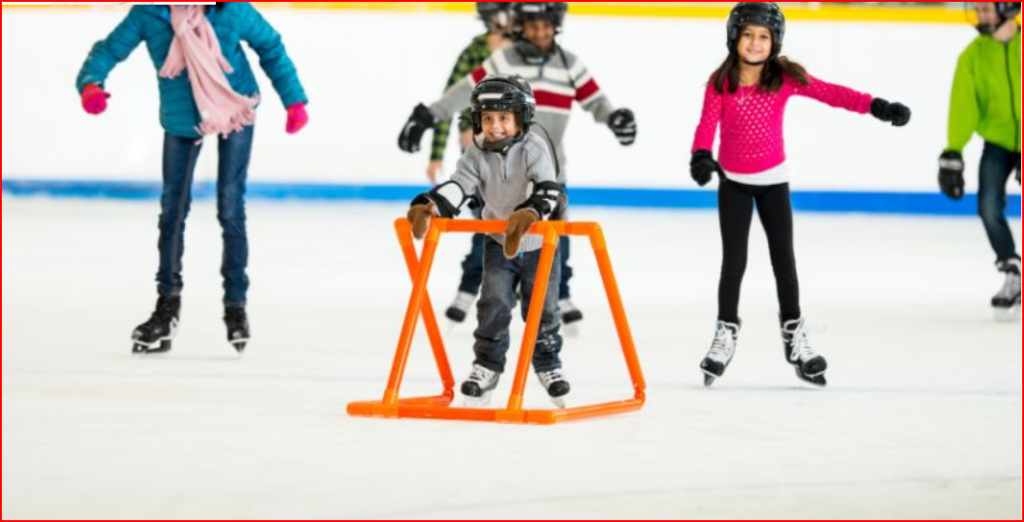
Every child learns and grows in their own unique way. For children with special needs, movement-based activities play an especially important role in supporting physical development, sensory regulation, and emotional well-being. Among various physical activities, skating stands out as a fun, engaging, and highly therapeutic option. More than just recreation, skating can help children build confidence, improve coordination, and strengthen essential developmental skills in an enjoyable and motivating environment. Understanding Movement Needs in Children with Special Needs Many children with special needs — including those with developmental delays, sensory processing challenges, autism spectrum conditions, ADHD, or low muscle tone — may experience difficulties with: These challenges can sometimes make traditional sports overwhelming. Activities like skating provide structured movement while still feeling like play, making participation easier and more enjoyable. How Skating Supports Development 1. Improves Balance and Body Awareness Skating requires children to adjust their posture and maintain stability while moving. This strengthens the vestibular system (balance) and proprioceptive system (body awareness). Regular practice helps children: 2. Encourages Sensory Regulation Many children with special needs either seek or avoid sensory input. Skating provides rhythmic, predictable movement that helps regulate the nervous system. This can lead to: 3. Strengthens Muscles and Motor Skills The continuous motion involved in skating activates multiple muscle groups, especially the legs and core. Benefits include: 4. Enhances Focus and Attention Movement stimulates brain activity. As children learn to balance, steer, and stop, they practice concentration and problem-solving skills. Parents and educators often observe: 5. Builds Confidence and Independence For children with special needs, achieving physical milestones can be incredibly empowering. Each skating success — standing independently, gliding forward, or turning — boosts self-esteem. Children begin to: Skating as Part of Therapeutic Support Many developmental programs now include movement-based activities to complement therapy goals. Professionals at Omega Center For People With Disabilities recognize that activities like skating can support sensory integration, motor development, and social participation while allowing children to experience joy through movement. Tips for Parents and Caregivers To ensure a positive experience: The goal is enjoyment and gradual improvement — not perfection. Signs Skating Is Helping Your Child You may notice: Progress may be gradual, but consistent practice often brings meaningful changes. Final Thoughts For children with special needs, movement is more than exercise — it is a pathway to learning, confidence, and independence. Skating combines therapy and play in a way that feels natural and enjoyable for children. By introducing skating in a supportive environment, parents and caregivers can help children develop essential life skills while experiencing the happiness that comes from movement and achievement. Because sometimes, the most powerful developmental progress begins with a simple glide forward.

Supporting-Learning-Through-Dance-and-Movement
Play Therapy

A Pattern-Based Floor Movement Game – Fun Dance Activity for Special Children:

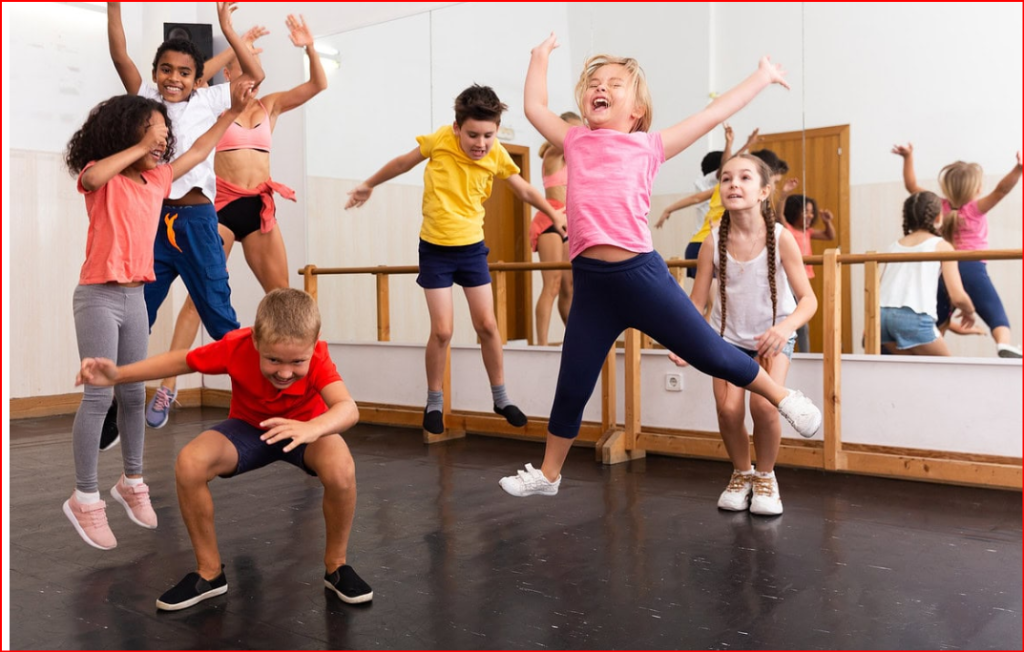
Dance and movement activities that combine music, rhythm, and visual patterns can be extremely beneficial for children with special needs. A pattern-based floor movement game is a fun dance activity that encourages children to move their bodies, follow rhythm, and express themselves through guided dance actions. In this engaging activity, patterns are placed on the floor, and children perform simple dance movements based on the pattern they step on while music plays. This playful dance game supports motor development, sensory processing, rhythm awareness, focus, and coordination, making learning both joyful and meaningful for special children. Pattern-Based Floor Dance Game A pattern-based floor dance game is a music and movement activity where shapes, colors, or symbols are arranged on the floor, and each pattern represents a specific dance movement. As the music plays, children move from one pattern to another and perform the dance action assigned to that pattern, following the rhythm of the music. Example Dance Pattern Actions  Soft Blue Circle – Jump gently Light Green Square – Clap hands Soft Yellow Star – Turn slowly Lavender Triangle – Step and tap This combination of visual cues, dance movements, and musical rhythm helps children understand instructions more easily while keeping them actively engaged. Benefits of This Dance Activity for Special Children Improves Motor Skills Through Dance Dance movements such as jumping, hopping, clapping, and spinning help develop balance, coordination, and body control. Strengthens Sensory Development The activity combines music, visual patterns, and body movement, helping children improve sensory processing. Builds Rhythm and Listening Skills Children learn to listen to the beat of the music and coordinate their dance movements with it. Boosts Confidence and Expression Dance allows children to express themselves freely, helping build confidence and emotional expression. Encourages Social Interaction Group dance activities encourage children to observe others, imitate movements, and enjoy moving together. How to Set Up the Pattern-Based Dance Activity 1. Prepare Floor Patterns Use simple materials such as: Arrange them on the floor in a dance pathway or movement circle where children can easily step from one pattern to another. 2. Assign Dance Movements to Each Pattern Each floor pattern represents a gentle dance movement that children perform when they step on it. Pattern Dance Action Soft Blue Circle Jump gently Light Green Square Clap hands Soft Yellow Star Turn slowly Lavender Triangle Step and tap These simple movements help children connect visual patterns with rhythmic dance actions, making the activity easy to follow and enjoyable. Adaptations for Children With Limited Mobility For children who may find jumping or spinning difficult, you can use gentle upper-body dance movements, such as: These adaptations ensure that all children can participate comfortably and confidently, regardless of their mobility level. 3. Play Music with a Clear Beat Choose slow, rhythmic music so children can follow the tempo and perform dance movements comfortably. 4. Guide the Children Teachers or therapists should first demonstrate each dance movement. Encourage children to follow the patterns and move freely with the music while providing gentle guidance and positive reinforcement. Creative Dance Variations of the Game Animal Dance Movements  Dog – Walk and wag hands like a dog’s tail  Cat – Walk softly like a cat  Bird – Flap your arms like wings  Elephant – Swing one arm like an elephant trunk Color Dance Game Children perform different dance movements based on colors instead of shapes. Freeze Dance When the music stops, children freeze like statues. This improves listening and body control. Follow the Dance Leader Children copy the teacher’s dance movement when stepping on each pattern. Supporting Learning Through Dance and Movement Dance-based activities are an important part of special education because they help children learn through movement, rhythm, and sensory experiences. These activities encourage creativity, improve physical coordination, and support emotional expression. Programs at Omega Center for People With Disabilities also focus on engaging dance and movement activities that help children build confidence, coordination, and social interaction in a supportive environment. Conclusion The pattern-based floor dance game is a simple yet powerful way to help special children develop motor skills, rhythm awareness, and sensory coordination through music and dance. By combining patterns, rhythm, and easy dance movements, this activity turns learning into a joyful and active experience. With just a few materials and music, teachers, therapists, and parents can create a fun dance environment that keeps children moving, engaged, and excited to learn.
play
Physical Activities

Beyond Physical Limits: The Healing Power of Badminton for Students with Disabilities

Sports have always been a powerful medium for personal growth, confidence building, and social connection. For students with disabilities, engaging in sports like badminton offers even more profound benefits, breaking physical and psychological barriers. Badminton, with its adaptable nature, is an ideal sport that fosters inclusion and helps students with disabilities thrive both on and off the court. Why Badminton is Perfect for Students with Disabilities 1. Accessibility and Adaptability Badminton is one of the most accessible sports for students with disabilities. The game can be modified to meet individual needs, including adjustments in court size, shuttlecock weight, and playing rules. Adaptive badminton also allows students to play in wheelchairs, ensuring no one is left out. 2. Improving Physical Health Playing badminton enhances physical fitness, coordination, and balance. For students with disabilities, these benefits are invaluable. The sport helps improve muscle tone, hand-eye coordination, and cardiovascular health. These physical improvements can lead to better mobility and independence in daily life. The Psychological Benefits of Badminton 1. Boosting Confidence Participation in badminton helps students build self-esteem. Achieving milestones, whether hitting the shuttlecock over the net or winning a game, creates a sense of accomplishment. This self-confidence translates into other areas of life, empowering students to tackle challenges with optimism. 2. Encouraging Social Interaction Badminton fosters teamwork and communication. For students with disabilities, the sport provides opportunities to build friendships and connect with peers in an inclusive environment. This camaraderie reduces feelings of isolation and promotes a sense of belonging. 3. Reducing Stress and Anxiety Sports are known to reduce stress and anxiety, and badminton is no exception. The focus required during a match helps students channel their energy positively, reducing negative emotions. Regular play can also improve mental resilience and promote relaxation. Breaking Stereotypes Through Badminton Badminton helps shatter stereotypes associated with disabilities. By showcasing their skills and determination, students with disabilities prove that they are capable of excelling in sports and other aspects of life. This not only changes societal perceptions but also inspires others to embrace inclusivity. How Schools Can Encourage Badminton for Students with Disabilities 1. Create Inclusive Programs Schools should design adaptive sports programs that prioritize inclusion. Providing necessary equipment and trained coaches can make a huge difference in encouraging students to participate. 2. Organize Inter-School Tournaments Hosting tournaments specifically for students with disabilities promotes their talents and gives them a platform to shine. Such events also raise awareness about adaptive sports within the community. 3. Leverage Technology and Resources Adaptive equipment and technology, such as lighter rackets and mobile apps for strategy, can make badminton even more enjoyable for students with disabilities. Investing in these tools demonstrates a commitment to inclusivity. Inspiring Stories: Real-Life Impact of Badminton Countless inspiring stories showcase how badminton has transformed the lives of students with disabilities. From gaining independence to representing their schools in tournaments, these students exemplify the sport’s ability to empower and heal. Conclusion Badminton is more than just a game; it’s a pathway to breaking barriers, fostering inclusion, and unlocking the potential of students with disabilities. As schools and communities embrace the healing power of badminton, they create opportunities for these students to go beyond their physical limits and achieve greatness. Organizations like the Omega Center for People With Disabilities play a pivotal role in supporting such initiatives. By providing resources, training, and inclusive programs, they empower students to explore their abilities and excel both on and off the court. Together, we can use sports like badminton to enhance physical and mental well-being and pave the way for a more inclusive and empathetic society.

Scroll to Top