Author name: omegqataradm

music-therapy-image
Music Therapy

Top Signs That Music Therapy Might Be the Right Fit for Your Child

Music is a universal language, resonating deeply within us. For children with disabilities, music therapy offers a unique and effective approach to learning, emotional expression, and social development. If you’re wondering whether music therapy could be the right fit for your child, this blog will help you identify key signs to consider. Difficulty Expressing Emotions Children with disabilities often struggle to communicate their feelings effectively. Music therapy can provide them with an alternative, non-verbal outlet for emotional expression, as research has demonstrated its effectiveness in helping children with disabilities explore and communicate their feelings in a structured environment. Through rhythm, melody, and movement, children can explore and release their emotions in a safe and supportive environment. Specific activities, such as rhythmic drumming or guided musical improvisation, have been shown to aid in emotional regulation and foster self-expression. Challenges with Social Interaction Does your child find it difficult to connect with others or participate in group activities? Music therapy promotes social engagement by encouraging children to collaborate, take turns, and respond to musical cues. Group sessions can help them build essential social skills in an enjoyable and pressure-free setting. Speech and Language Development Delays For children with speech and language difficulties, music therapy can be a game-changer. Singing and rhythmic exercises stimulate brain regions associated with language development. Over time, these activities can enhance vocabulary, pronunciation, and communication confidence. Sensory Processing Issues If your child struggles with sensory processing—either overreacting to or under-responding to stimuli—music therapy might be an excellent fit. Therapists use tailored musical activities to help regulate sensory responses, such as hyperresponsiveness or sensory-seeking behaviours, creating a calming or stimulating effect based on the child’s unique needs. Anxiety or Behavioural Challenges Children with disabilities may experience heightened anxiety or behavioural difficulties. Music therapy helps them develop coping mechanisms, reduces stress, and fosters self-regulation. Calming tunes or rhythmic drumming can create a soothing atmosphere, allowing children to feel more grounded. Interest in Music A natural inclination toward music is a promising sign that your child could thrive in music therapy. If your child lights up when they hear a favourite song or enjoys playing with instruments, these interests can be harnessed to boost their overall development and well-being. Difficulty with Motor Skills Music therapy often involves movement, such as clapping, dancing, or playing instruments. These activities improve both fine and gross motor skills. If your child has difficulty with coordination or muscle control, music therapy may offer engaging ways to strengthen these abilities. Music therapy has been shown to provide benefits for various conditions – here are a few: How Music Therapy Works for SEN (Special Educational Needs) Children Music therapy sessions are tailored to the individual needs of each child. A certified music therapist will assess your child’s strengths, challenges, and interests to design activities that support their developmental goals. These may include: When selecting a music therapist, look for professionals with recognised certifications and experience in working with children with disabilities. Local organisations or specialist therapy centres can guide you to qualified practitioners who align with international best practices. Further Considerations While music therapy can be highly effective, it’s essential to remember that not all children may respond equally. The success of therapy depends on factors like the child’s interests, the therapist’s approach, and consistency in practice. Parents can support this process at home by incorporating musical activities, such as singing or simple rhythmic exercises, into daily routines to reinforce the benefits of therapy. Conclusion Music therapy is a powerful tool for helping children with disabilities overcome challenges, develop critical skills, and discover joy in learning. Ready to take the first step? Contact us today to schedule a consultation and learn more about how music therapy can transform your child’s life.
piano-mat-image
Music Therapy

Music Therapy Learning with Piano Mats: Enhancing Cognitive and Social Skills

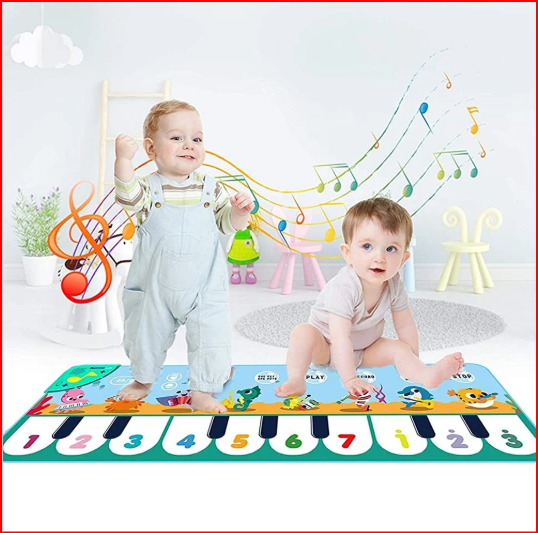
Music therapy is a powerful tool for cognitive and emotional development, helping individuals improve focus, coordination, and social interaction. One of the most engaging ways to integrate music therapy into learning is through piano mats—interactive, touch-sensitive mats that produce musical notes when stepped on. These mats offer a fun and immersive learning experience, especially for young children and individuals with special needs. Let’s explore how they contribute to skill development in a structured manner. 1. Cognitive Benefits of Piano Mat Activities 🎨 Color Recognition Enhancement 🎯 Following Simple Directions 2. Behavioral and Emotional Development 🧠 Boosting Attention, Concentration, and Impulse Control 🎵 Encouraging Emotional Expression 3. Social and Interactive Benefits 👫 Enhancing Social Skills and Teamwork 🚶 Improving Motor Skills and Coordination Conclusion Music therapy using piano mats is an engaging, educational, and therapeutic approach to learning. Whether used at home, in schools, or in therapy sessions, these mats provide structured, hands-on experiences that support: At Omega Center for People with Disabilities, we believe in the transformative power of music therapy. Using tools like piano mats, we help individuals enhance their learning, focus, and social interaction in a fun and supportive environment. If you’re looking for an effective and engaging way to support cognitive and emotional growth, incorporating music therapy into daily routines can make a world of difference!

piano-image
Music Therapy

Musical Therapy Made Simple: The Impact of Piano Mats on Special Needs Development

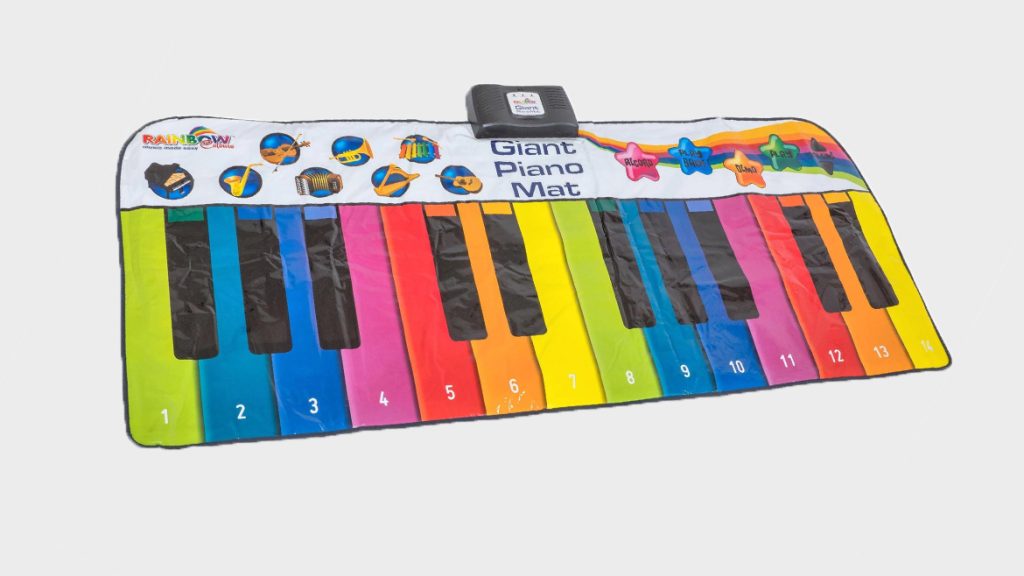
Children with special needs often experience the world in beautifully unique ways. Whether they face physical, cognitive, or sensory challenges, these children benefit immensely from tools that engage their senses, support development, and encourage joyful exploration. One surprisingly powerful yet simple tool is the piano mat. In this blog, we’ll explore how piano mats are being used in musical therapy to support the development of children with special needs, making therapy accessible, engaging, and fun. What Is a Piano Mat? A piano mat is an oversized, touch-sensitive musical mat that plays piano notes and other sounds when stepped on or touched. It turns music into a full-body activity by encouraging movement, creativity, and sensory engagement—all of which are incredibly beneficial for children with special needs. Why Music Matters in Special Needs Development Music therapy is a well-established method used to help children with disabilities develop key skills in a fun, low-pressure way. Research shows that music can: A piano mat brings these therapeutic benefits into an accessible, home- or classroom-friendly format.  How Piano Mats Benefit Children With Special Needs 1. Encourages Gross Motor Skills For children with physical disabilities or developmental delays, the act of stepping, crawling, or reaching across a piano mat promotes gross motor coordination, balance, and movement—all while keeping the child engaged through sound. 2. Supports Sensory Integration Children with sensory processing disorders (SPD), autism, or ADHD often benefit from structured sensory play. Piano mats deliver multi-sensory stimulation: This type of input can help improve sensory integration and tolerance. 3. Boosts Cognitive Development Learning that a specific action (pressing a key) produces a specific sound helps children understand cause and effect. Many piano mats also offer learning modes, teaching numbers, letters, or animal sounds—supporting memory, focus, and sequencing. 4. Facilitates Emotional Expression Music is a natural outlet for emotion. For non-verbal or speech-delayed children, creating music by movement gives them a way to communicate and express themselves freely. 5. Improves Social Skills Used in therapy sessions or classrooms, piano mats can encourage group play, turn-taking, and cooperative activities—important for developing social interaction skills. Real-Life Use Cases  Choosing the Right Piano Mat When shopping for a piano mat for a child with special needs, consider: Final Thoughts Musical therapy doesn’t need to be complicated or expensive. A piano mat offers an affordable, interactive, and joyful way to support children with special needs—helping them grow physically, cognitively, and emotionally. It’s a tool that turns sound into progress and movement into milestones. Whether you’re a parent, teacher, or therapist, adding a piano mat to your toolkit could be a simple yet impactful step in a child’s developmental journey.

music-image
Music Therapy

Neurologic Music Therapy for Special Children: How Music Helps Improve Speech, Cognition, and Motor Skills

What Is Neurologic Music Therapy (NMT)? Neurologic Music Therapy (NMT) is an evidence-based approach that uses music to support brain function. For special children, especially those with autism, ADHD, or speech and motor delays, NMT offers a fun, engaging, and powerful way to improve communication, thinking skills, and physical coordination. 1. Improving Speech and Communication with Music Many special children struggle with speech delays, articulation, or social communication. NMT uses techniques like Melodic Intonation Therapy, where singing helps stimulate the left side of the brain (responsible for language). How it helps: Example: A nonverbal child with autism may begin humming or singing simple words with consistent sessions.  2. Boosting Cognitive Skills Through Music Cognitive development includes memory, attention, problem-solving, and learning ability. Music therapy can activate multiple areas of the brain at once, helping special children strengthen these crucial skills. NMT techniques used: How it helps:  3. Enhancing Motor Skills with Rhythm Children with developmental delays often struggle with balance, coordination, or fine motor skills. NMT uses rhythm to guide movement, which helps the brain connect better with the body. Technique Highlight: How it helps: 4. Emotional and Social Benefits of Music Therapy Beyond physical and cognitive growth, music creates joy. For special children, it can be a bridge to connect with others, reduce anxiety, and build self-esteem. Benefits include: 5. Who Can Benefit from NMT? Neurologic Music Therapy can help children with: Conclusion: Music as a Pathway to Growth Music isn’t just a source of joy—it’s a proven therapeutic tool that helps special children communicate more clearly, think more critically, and move more confidently. Neurologic Music Therapy (NMT) offers a safe, engaging, and effective approach to support children with autism, ADHD, developmental delays, and more. If you’re looking for trusted support, Omega Center Qatar offers specialized services for special needs children, including Neurologic Music Therapy. Their certified therapists use evidence-based techniques to help children reach their full potential—through the power of music.

learn-image
Learning

Fun Move-to-Beat Activities with Floor Patterns

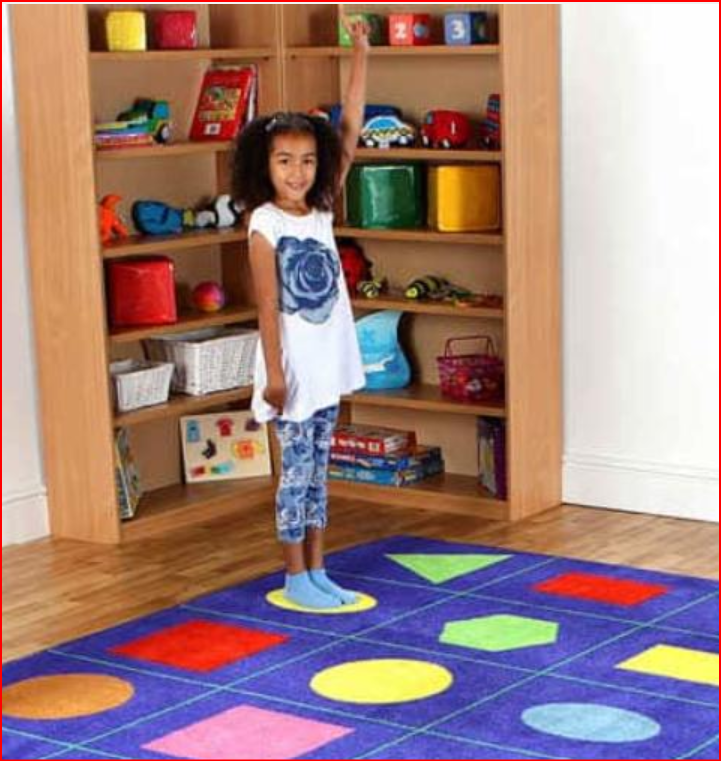
Children learn best when play, rhythm, and movement come together. The Move-to-Beat Floor Pattern Activity is a fun and creative way to keep kids active while developing coordination, focus, and confidence. By following colorful designs on the floor and moving to music, children engage in rhythm, structure, and play in a way that feels natural and enjoyable. How the Activity Works Step1: Create the Floor Patterns Step 2: Add Music or a Beat Step3: Do the Movements Step 4: Repeat and Mix Other Fun Variations Benefits for Children with Disabilities Why It Matters Floor pattern activities are more than games—they’re a fun learning tool. By linking shapes and beats with actions, children explore movement in a structured yet playful way. Every clap, hop, or spin turns into progress, whether it’s building skills, strengthening the body, or simply enjoying the moment. At the Omega Center for People with Disabilities, activities like these are part of everyday learning. They bring joy, encourage participation, and help each child discover what they can achieve.

orange-image
Learning

Orange Day Celebration at Omega Center for People with Disabilities

Orange Day Celebration at Omega Center for People with Disabilities At Omega Center for People with Disabilities, every special day is a chance to spread joy, encourage learning, and create happy memories. On September 30th, our students and staff celebrated Orange Day, filling the school with smiles, energy, and bright shades of orange. The Meaning of Orange Day The color orange stands for energy, enthusiasm, and warmth. For our students, celebrating Orange Day was a way to experience these feelings in a fun and creative environment. Celebrations at Omega Center The day was marked with exciting activities that brought cheer to everyone: Why Days Like This Matter Special celebrations help our students learn in new and joyful ways. Orange Day encouraged confidence, creativity, and interaction, showing that learning can be both educational and fun. Looking Ahead Orange Day on September 30th was a wonderful success at Omega Center for People with Disabilities. It reminded us that simple celebrations can bring lasting happiness filled with laughter, creativity, and even a glass of freshly squeezed juice—can bring lasting happiness.. We are excited to continue creating such moments where our students feel encouraged, supported, and proud of their achievements. Orange Day 2025 at Omega Center was a day full of color, excitement, and togetherness—an event our students will remember with joy.

caregiver-image
Learning

Tackling Caregiver Stress for Children With Special Needs: A Practical Guide

Caring for a child with special needs is a journey filled with love, resilience, and deep emotional connections. At the same time, it can place unique physical and mental demands on caregivers. Over time, these pressures can lead to caregiver stress, burnout, or compassion fatigue—conditions that affect not only the caregiver’s health but also the well-being of the child. This guide blends real-life insights, strategies, and expert-informed recommendations to help caregivers navigate stress with confidence and clarity. Understanding Caregiver Stress: What Makes It Different? Caregiver stress among parents and guardians of children with special needs often stems from: Unlike general parenting stress, caregiver stress is chronic, not situational. Recognizing early signs—exhaustion, irritability, disrupted sleep, and frequent illness—is essential to preventing burnout. Real-Life Experience: Why Caregivers Need Support Too Caregivers often prioritize the child’s needs over their own. However, experts note that long-term neglect of self-care diminishes emotional resilience. Many caregivers report feeling “guilty” for needing breaks, yet research shows that caregivers who prioritize their health provide more consistent and compassionate support. In other words: taking care of yourself is part of taking care of your child. Strategies to Reduce Caregiver Stress 1. Build a Structured Routine Children with special needs often thrive on predictability. Structure also helps caregivers: Using visual schedules or digital tools can make routines easier to manage. 2. Create a Reliable Support Network Support doesn’t always have to be professional. It includes: Caregivers who share their experiences report feeling less isolated and more empowered. 3. Practice Mindfulness and Stress-Reduction Techniques Small habits can make a significant difference: Mindfulness supports emotional regulation and clarity, especially during difficult moments. 4. Seek Professional Guidance When Needed Speaking with a therapist or counselor trained in caregiver-related stress can: Therapy is not a sign of weakness—it’s an investment in long-term resilience. 5. Maintain Physical Health Even minimal habits improve energy levels: Creating a Healthy Environment for Both Child and Caregiver A nurturing environment considers: When the environment supports the child effectively, the caregiver experiences less daily strain. Why Community Resources Matter Organizations that specialize in special-needs education, therapies, and caregiver support can provide invaluable help and reduce long-term stress. For example, Omega Center For People With Disabilities offers programs that empower families with education, guidance, and structured care options.  Final Thoughts: You Deserve Care Too Caregiving is an act of love, but it should not come at the cost of your own health and happiness. Building resilience takes time, support, and willingness to prioritize self-care. By applying expert-backed strategies and embracing a supportive community, you can strengthen your ability to care for your child—while protecting your own emotional and physical well-being. Remember: You are not alone, your efforts matter, and your well-being is essential.

swim-image
Learning

Swimming: A Gentle, Confidence-Building Activity for Children with Special Needs

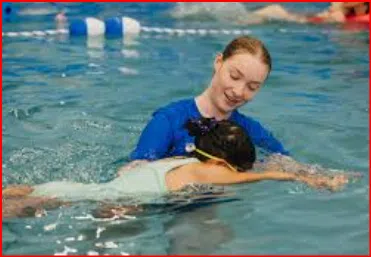
Imagine a calm swimming pool.The water is warm. The lights are soft.A child slowly steps into the pool, feeling the water wrap around their body as an instructor gently says: “Take your time. You’re safe.” For many children with special needs, swimming offers something truly special — a sense of freedom, comfort, and confidence that’s hard to find on land. More than just a physical activity, swimming becomes a powerful therapeutic experience. Why Swimming Is So Beneficial for Children with Special Needs Children with autism, ADHD, sensory sensitivities, or developmental delays often struggle with movement, coordination, or anxiety in traditional activities. Water creates a unique environment that supports their bodies and minds in ways few activities can. Here’s how swimming makes a meaningful difference: 1. Water Provides Natural Body Support In the pool, the body feels lighter. Water reduces the impact on joints and muscles, allowing children to move more freely without fear of falling or getting hurt. This natural support is especially helpful for children with low muscle tone, motor delays, or physical challenges. They can practice movements that may feel difficult on land — building strength and confidence at their own pace. 2. Swimming Encourages Calm Through Repetition The rhythmic nature of swimming — gentle kicking, arm movements, and floating — has a soothing effect on the nervous system. Repetitive motion helps children feel more organized and relaxed, especially those who experience sensory overload or anxiety. Over time, this calming effect can help children feel more at ease, both in and out of the water. 3. It Builds Trust and Emotional Security Swimming lessons for special needs children focus on trust first — trust in the instructor, the environment, and their own abilities. With consistent routines and patient guidance, children learn that the pool is a safe space. As trust grows, fear decreases. Small successes — like floating independently or blowing bubbles — can have a huge emotional impact, boosting self-esteem and courage. 4. Swimming Improves Coordination and Strength Moving through water naturally strengthens muscles and improves coordination without putting pressure on the body. Swimming engages the arms, legs, and core all at once, helping children develop better overall body control. This full-body engagement supports motor planning and bilateral coordination — skills that are essential for everyday activities like walking, dressing, and playing. 5. It Supports Sensory Exploration in a Controlled Way Water offers consistent, predictable sensory input. For many children, this deep pressure and resistance can feel regulating and comforting. A well-structured swim session allows children to explore these sensations in a safe, controlled environment, helping them become more comfortable with sensory experiences over time. Creating a Safe and Supportive Swimming Environment For swimming to be effective and enjoyable, the setting matters just as much as the activity itself. Helpful considerations include: These thoughtful adjustments help children feel secure and ready to participate. Final Thoughts: Swimming Builds More Than Physical Skills For children with special needs, swimming is more than learning strokes — it’s about learning trust, confidence, and independence. Through water-based movement, children can: Whether practiced at a therapy center, school, or recreational facility, swimming offers children a chance to grow — emotionally, physically, and socially. Swimming is thoughtfully designed to meet each child where they are. Along with our other specialized programs, our swim sessions help children feel safer, stronger, and more confident in their abilities. If you’d like to learn how swimming can support your child’s development, we invite you to explore our programs at Omega Center for Special Needs. Let’s help every child discover their strength — one splash at a time.

practical-life-skills-every-child-should-learn-image
Learning

How Checklist-Based Activities Build Independence and Workplace Skills for Children with Disabilities

Developing independence and workplace readiness skills is an important part of helping children with disabilities prepare for future educational, social, and employment opportunities. One effective way to support this growth is through checklist-based activities, which provide clear, structured guidance for completing tasks step by step. Whether used in classrooms, therapy settings, vocational programs, or at home, checklists can help children build confidence, improve task completion, and strengthen essential life and work skills. What Are Checklist-Based Activities? Checklist-based activities involve providing a written, visual, or picture-supported list of steps required to complete a task. As children finish each step, they can check it off, helping them track progress and stay focused on the activity. Examples of checklist-based tasks include: These activities encourage children to work systematically while developing skills that can be applied in educational, community, and workplace settings. Why Checklists Are Effective for Children with Disabilities Many children benefit from clear structure and predictable routines. Checklists break larger tasks into manageable steps, making activities easier to understand and complete independently. Benefits of Checklist-Based Learning By providing visual and written guidance, checklists help children focus on what needs to be done rather than relying solely on verbal instructions. How Checklists Support Independence One of the primary goals of pre-vocational skills training is helping children develop the ability to complete tasks with less assistance over time. Encouraging Self-Management Checklists allow children to: As children become familiar with checklist routines, they often require fewer reminders from teachers, therapists, or caregivers. Building Decision-Making Skills When following a checklist, children learn to: These skills contribute to greater independence in both daily life and future work environments. Developing Workplace Skills Through Checklist Activities Many workplaces rely on procedures, schedules, and task lists to maintain consistency and productivity. Introducing checklist-based activities at an early stage helps children practice these important workplace habits. 1. Following Instructions Workplace success often depends on the ability to follow directions accurately. Checklists teach children to: These skills can be applied across many different work settings. 2. Improving Attention to Detail Checklists encourage children to focus on each step before moving to the next. Activities may involve: Attention to detail is a valuable skill in educational, vocational, and community environments. 3. Strengthening Organizational Skills Organization is a key component of workplace readiness. Checklist-based activities help children: These skills support greater efficiency and confidence during task completion. 4. Building Responsibility When children are responsible for checking off completed steps, they gain a sense of accountability and ownership. Over time, this can help develop: These qualities are highly valued in educational and employment settings. Examples of Checklist-Based Pre-Vocational Activities Packing and Sorting Tasks Children follow a checklist to: This activity supports sequencing, attention, and task accuracy. Classroom Organization Activities Checklist steps may include: These activities encourage responsibility and organization. Office Simulation Tasks Children may practice: Structured checklists help reinforce workplace routines. Cleaning and Maintenance Activities Examples include: These activities help develop consistency and routine-following skills. Supporting Different Learning Styles Checklist-based activities can be adapted to meet individual learning needs. Visual Checklists Visual supports may include: These formats can make tasks easier to understand and follow. Written Checklists For children with stronger reading skills, written checklists can help improve: Combined Visual and Written Checklists Many programs use both formats together to provide additional support and clarity. The Role of Pre-Vocational Skills Training Pre-vocational skills training focuses on helping children develop practical abilities that support future participation in educational, community, and workplace settings. Checklist-based activities contribute to several important developmental areas, including: These experiences provide opportunities for children to practice skills in structured and meaningful ways. Organizations such as Omega Center For People With Disabilities incorporate structured learning activities that help children develop practical skills, confidence, and greater independence while preparing for future opportunities. Tips for Parents and Educators To maximize the benefits of checklist-based activities: Keep Instructions Simple Use clear, easy-to-follow language and avoid overwhelming children with too many steps at once. Break Tasks into Smaller Steps Smaller steps can make activities more manageable and encourage success. Use Consistent Formats Consistency helps children become familiar with expectations and routines. Celebrate Progress Recognizing effort and accomplishments can increase motivation and confidence. Gradually Encourage Independence As children gain confidence, provide opportunities to complete tasks with reduced assistance. Long-Term Benefits of Checklist-Based Activities Regular participation in checklist-based activities can contribute to: These foundational skills can support success across educational, social, community, and future employment settings. Frequently Asked Questions What are checklist-based activities? Checklist-based activities use step-by-step instructions that children can follow and mark as completed while performing a task. Why are checklists useful for children with disabilities? Checklists provide structure, improve organization, support independence, and help children complete tasks more confidently. Can checklist activities improve workplace readiness? Yes. Checklist activities help children develop important workplace skills such as following instructions, staying organized, managing tasks, and maintaining responsibility. What types of tasks work well with checklists? Packing, sorting, filing, organizing materials, cleaning routines, inventory tasks, and classroom responsibilities can all be adapted into checklist-based activities. Conclusion Checklist-based activities are a practical and effective way to help children with disabilities build independence, organization, responsibility, and workplace readiness skills. By breaking tasks into manageable steps, checklists provide clear guidance while encouraging children to take ownership of their learning and daily responsibilities. As part of a broader pre-vocational skills training program, these activities can help children develop confidence, strengthen practical abilities, and prepare for future opportunities in educational, community, and workplace environments.

Scroll to Top